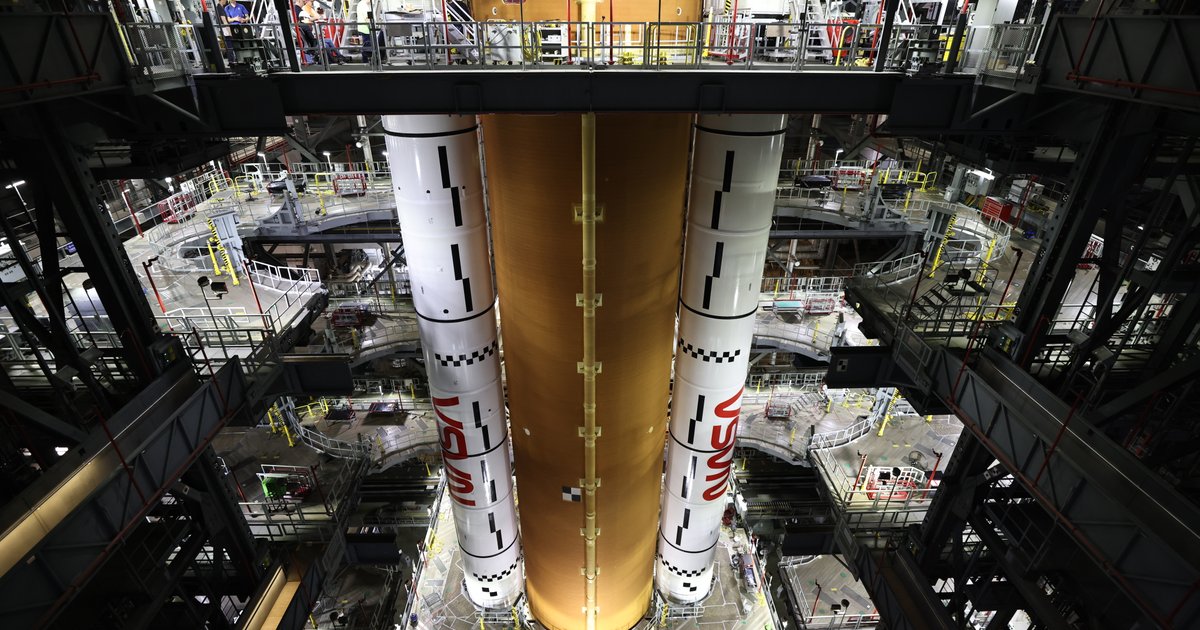
NASA has announced the approval of the iPhone 17 Pro Max as part of the Artemis 2 mission to the Moon. This decision follows a series of rigorous tests that demonstrated the phone's ability to operate in harsh space environments. The mission is scheduled to launch in 2024, sending astronauts into lunar orbit as part of the Artemis program, which aims to return to and explore the Moon more deeply.
The approval process for the phone involved four main testing phases, where its performance was evaluated under various conditions, including low temperatures and low pressure. The results showed that the phone can withstand the extreme conditions it may encounter in space.
Event Details
The Artemis 2 mission is a crucial step in the Artemis program, which aims to return humans to the Moon by 2025. The Orion spacecraft will transport astronauts to lunar orbit, where they will conduct scientific experiments and technical tests. The use of the iPhone 17 Pro Max in this mission reflects a new trend towards integrating modern technology into space exploration.
The phone will serve as a tool for communication and information exchange between astronauts and mission control on Earth. It will also enable them to document their experiences in space through high-quality photos and videos.
Background & Context
Historically, space agencies relied on specialized devices for space missions, but with technological advancements, it has become possible to use commercial devices. This shift reflects how technological innovations in smartphones can contribute to space exploration. The Artemis program is part of NASA's broader vision for future Mars exploration.
It is worth noting that Artemis 1, the previous mission, was highly successful, launching the Orion spacecraft on a crewless journey around the Moon. This mission proved the program's viability and provided a strong boost for future projects.
Impact & Consequences
The approval of the iPhone 17 Pro Max for the Artemis 2 mission may open doors for the use of more commercial devices in space. This could reduce costs and increase operational efficiency. Additionally, the use of modern technology may facilitate better interaction between astronauts and Earth, enhancing their experience.
This step is expected to foster collaboration between space agencies and technology companies, potentially contributing to the development of further innovations in the field of space.
Regional Significance
With the growing interest in space among Arab nations, NASA's experience in using modern technology like the iPhone 17 Pro Max could serve as a model. Many Arab countries have begun significant investments in space, such as the UAE, which launched the Hope Probe to Mars.
This development may encourage Arab nations to explore the use of modern technology in their space projects, enhancing their technological capabilities and increasing opportunities for international collaboration in this field.
In conclusion, the approval of the iPhone 17 Pro Max for the Artemis 2 mission represents a new step towards integrating modern technology into space exploration, opening new horizons for collaboration and innovation in this vital area.