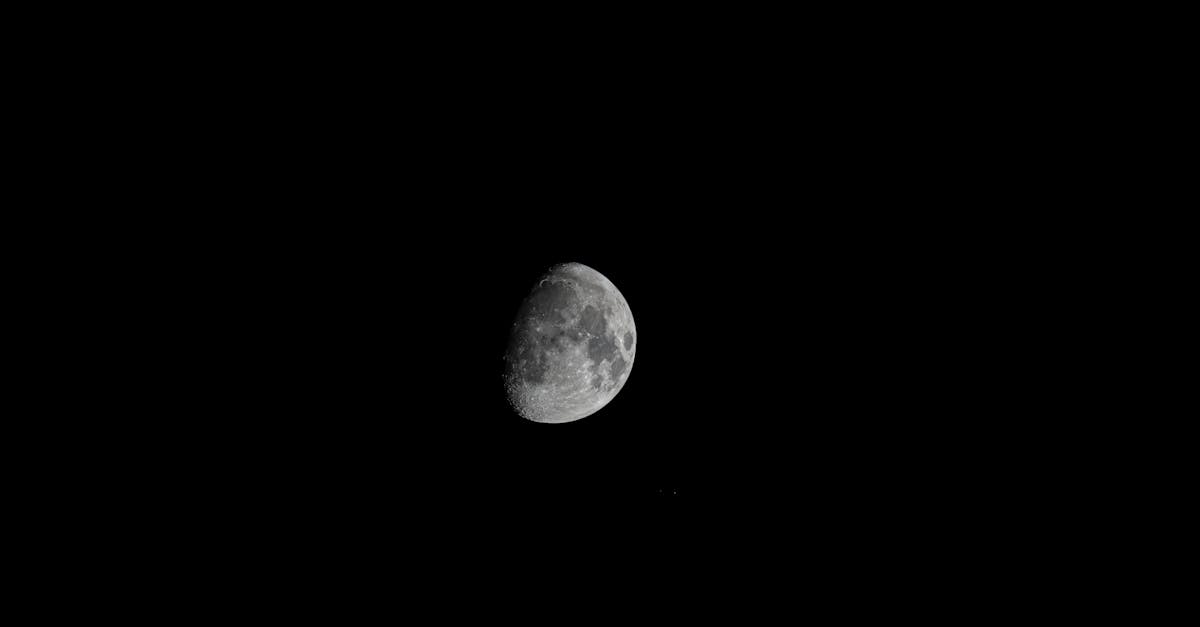
NASA has announced the successful Artemis mission that explored the far side of the Moon, capturing stunning images that reveal new details. This mission is part of ongoing efforts to explore space and enhance scientific understanding of the Moon.
The Artemis mission is one of the most prominent space projects aimed at returning humans to the Moon by 2024. The Artemis 1 spacecraft was sent on an uncrewed journey around the Moon, where the images captured by the spacecraft displayed unprecedented details of the lunar surface.
Event Details
The spacecraft successfully reached lunar orbit, capturing images of the far side that had not been visible from Earth. The images show diverse terrains, including mountains and craters formed over millions of years. These images will assist scientists in understanding the Moon's history and evolution.
Additionally, some geological phenomena that had not been previously observed were detected, opening new avenues for scientific research. This mission is not just exploration; it is a step towards achieving larger goals related to human exploration of space.
Background & Context
The history of lunar exploration dates back to the 1960s when the Apollo 11 mission landed on its surface. Since then, there have been repeated attempts to explore the Moon, but the Artemis mission represents a new generation of explorations based on modern technology.
Through the Artemis program, NASA aims to establish a permanent base on the Moon, enabling advanced scientific research. This base will also aid in preparing for future missions to Mars.
Impact & Consequences
The Artemis mission is a significant step in enhancing international cooperation in space. Many countries are looking to participate in this mission, reflecting the importance of space as a realm for scientific and technological collaboration.
This mission will also impact the space industries, opening new fields for investment and innovation. Private companies have begun developing new technologies to support these efforts, boosting the global space economy.
Regional Significance
For Arab countries, the success of the Artemis mission could serve as a catalyst for enhancing local space programs. Many Arab nations have started investing in space sciences, reflecting a growing interest in scientific exploration.
These efforts could contribute to technological development and enhance education in the fields of science and engineering, benefiting future generations.
The Artemis mission represents a new beginning for space exploration, opening new horizons for scientists and investors. The success of this mission will enhance the United States' standing in space and encourage other countries to engage in this scientific adventure.