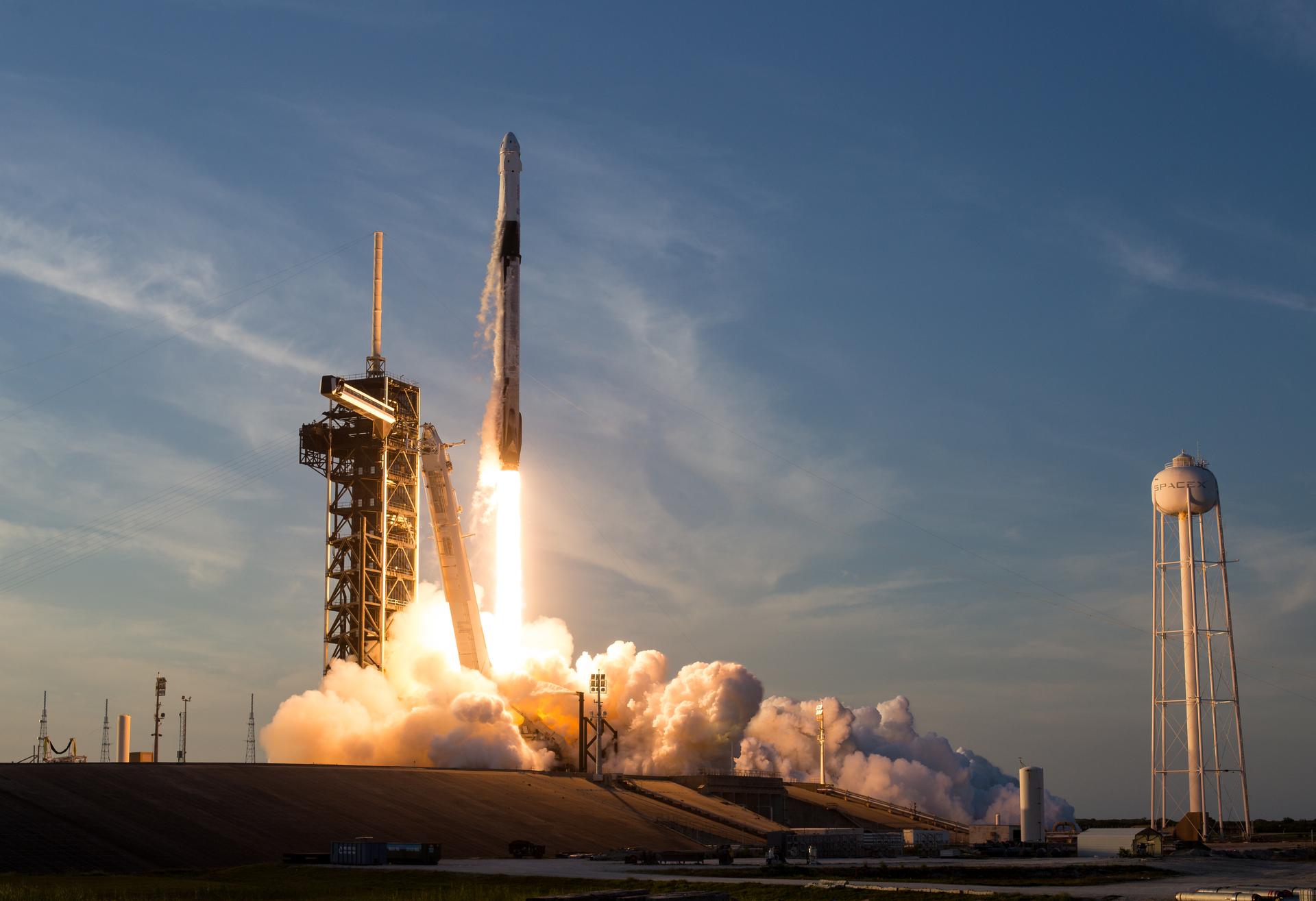
NASA is gearing up to launch the Artemis 2 mission aimed at returning humans to the Moon, raising questions about President Donald Trump's political motives behind this initiative. This mission comes at a time of increasing global competition in space exploration, as the United States seeks to regain its leadership in this field after years of decline.
The Artemis 2 mission is part of an ambitious program that aims to return to the Moon by 2024, aligning with Trump's vision to enhance the United States' status as a leading space power. As the launch date approaches, discussions intensify regarding the true motivations behind this step and whether they are politically or economically driven.
Details of the Event
The Artemis 2 mission is scheduled to launch in 2024, sending astronauts into lunar orbit. This mission follows the successful Artemis 1 mission, which was launched in November 2021 and served as a test for the Space Launch System. The new mission will mark the first crewed flight around the Moon since the Apollo program in the 1970s, reflecting the technological advancements achieved by the United States in space exploration.
Through this mission, NASA aims to enhance international cooperation in space exploration, with several countries participating in this program, highlighting the importance of collaboration among nations to achieve space objectives. Additionally, this mission will contribute to the development of new technologies that can be used for exploring other planets.
Background & Context
Historically, the United States has been a pioneer in space exploration, sending the first human to the Moon in 1969. However, recent years have seen a decline in this area, prompting the current U.S. administration to refocus on space. The return to the Moon is part of a broader strategy that includes exploring Mars and other planets.
These efforts coincide with increased investments in the private sector, as companies like SpaceX and Blue Origin strive to make advancements in this field. This competition between the public and private sectors underscores the importance of space as a vital domain in the 21st century.
Impact & Consequences
The return to the Moon is a significant step in strengthening the United States' ability to compete in space, potentially leading to the development of new technologies and important scientific discoveries. This mission may also contribute to boosting the U.S. economy by creating new job opportunities in the space sector.
On an international level, this move could increase tensions among major powers, as each country seeks to enhance its position in space. This competition may affect international relations and heighten the need for clear rules governing cooperation in space exploration.
Regional Significance
As the United States focuses on space exploration, the Arab region may play a role in this field through collaboration with major countries. There is a growing interest from some Arab nations in developing their own space programs, reflecting the importance of space as a vital area for the future.
These efforts could enhance scientific and technological cooperation between Arab countries and others, thereby elevating the region's status on the international stage.
In conclusion, the Artemis 2 mission remains a significant step in the journey of space exploration, reflecting American ambitions in this field. As international competition intensifies, the question of the true objectives behind this initiative remains open for discussion.