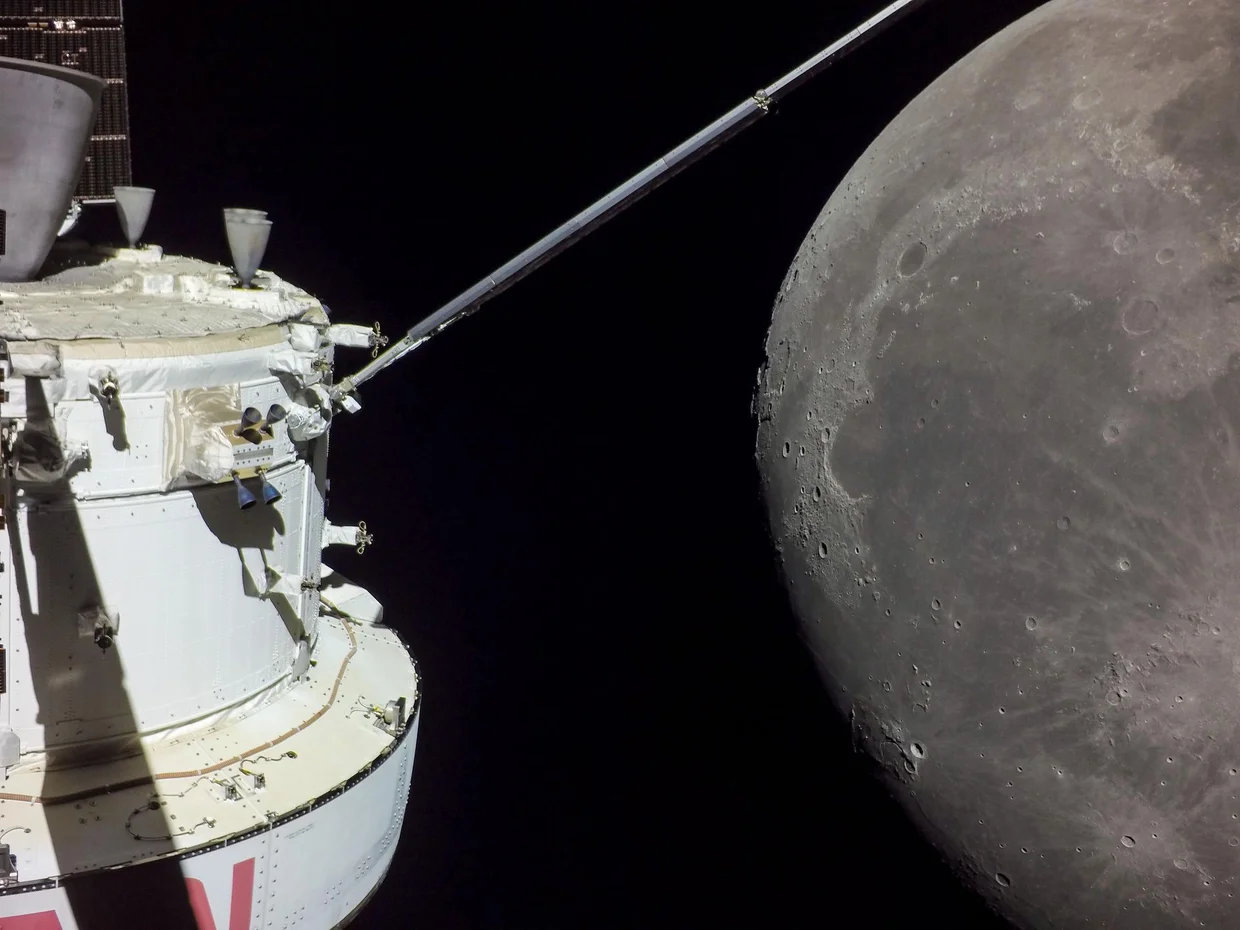
NASA has announced a restructuring of its Artemis program, reflecting a strategic shift towards building a sustainable human presence on the Moon. The goal is to achieve long-term habitation rather than just quick achievements. NASA aims to transform space exploration from a race to achieve goals into a system based on recurring operations and sustainable presence.
The new plans involve investing billions of dollars in creating a long-term lunar base, which includes habitats, power systems, and surface infrastructure to support continuous human activity. The message is clear: space travel has become routine, and the next phase is to make life beyond Earth routine as well.
Event Details
The Artemis program aims to return humans to the Moon with a focus on staying there, as upcoming missions will be more complex compared to the Apollo missions of the 1960s and 1970s. The new plans include missions around the Moon, landing on its surface, and establishing a base near the lunar south pole. NASA seeks to develop useful technologies on Earth and prepare humans for the journey to Mars.
Instead of moving directly from Artemis II to a surface landing, the new roadmap adds an intermediate mission in 2027. Astronauts will test life support systems and communications with commercial landing vehicles from companies like SpaceX and Blue Origin, but in low Earth orbit, where they can be rescued if necessary.
Background & Context
Historically, American space programs have focused on achieving quick milestones, but with evolving technology and increasing interest from other nations, it has become essential to reassess these strategies. The Artemis program represents a step towards building a sustainable system that can support human activity on the Moon for extended periods.
The new changes also involve significant investment in lunar surface infrastructure, focusing on creating power systems and residential facilities to support astronauts' presence. This approach reflects a forward-looking vision for space exploration based on collaboration between the public and private sectors.
Impact & Consequences
The impacts of the Artemis program extend beyond technical aspects, influencing how industries and technologies evolve. The systems developed to support human activity on the Moon, such as life support systems and energy storage, may find applications on Earth, from medicine to disaster response.
There are also economic impacts, as the Artemis program supports jobs in the United States and its international partners, contributing to the development of industries that extend beyond NASA. This program also reflects a strategic dimension, as nations and companies compete to define how activities in space will be conducted.
Regional Significance
For Arab countries, the Artemis program represents an opportunity for collaboration in space and technology fields. Arab nations can benefit from partnerships with global space agencies, enhancing their capabilities in space and elevating their status on the international stage.
In conclusion, the Artemis program signifies a radical shift in how space exploration is approached, focusing on building a sustainable human presence on the Moon rather than merely achieving quick milestones. This direction may redefine humanity's relationship with space and shape the future of space exploration.