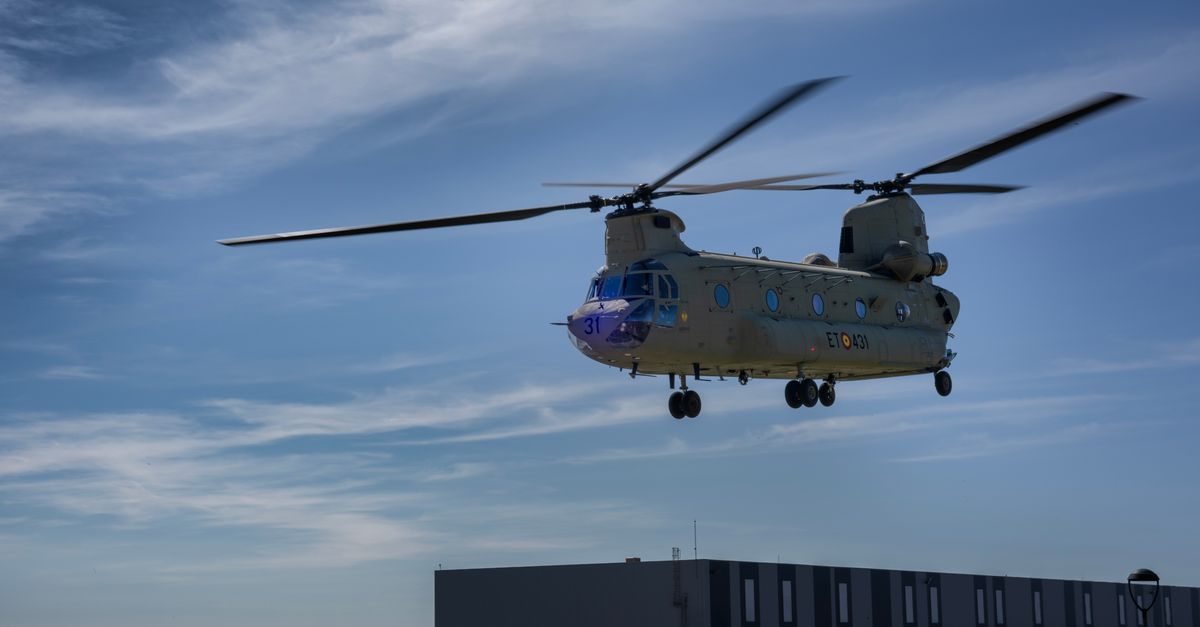
NATO has announced a series of unprecedented military movements, aimed at enhancing its defensive capabilities to counter escalating Russian threats. These measures come at a time when the world is witnessing a rise in geopolitical tensions, necessitating a swift and effective response from the alliance.
The military actions include the deployment of additional forces in eastern member states, alongside an increase in joint military exercises. Furthermore, a rise in the military budget has been announced, reflecting NATO's commitment to bolstering security in the face of growing challenges.
Details of the Military Movements
As part of these movements, several critical areas have been identified for an increased military presence, particularly in the Baltic states and Poland. The scope of military exercises has also been expanded to include new scenarios related to potential threats from the Russian side.
Sources within NATO have reported that these steps are a response to the uptick in Russian military activities, including large-scale military maneuvers conducted near the borders of NATO member states. These activities have raised significant concerns within military and political circles.
Background & Context
Historically, relations between NATO and Russia have seen increasing tensions since Russia's annexation of Crimea in 2014. Since then, NATO has taken multiple steps to enhance its defenses, including the establishment of multinational units in the Baltic states.
Recent events, such as the conflict in Ukraine, have further exacerbated tensions, prompting NATO to reassess its defensive strategies. These new military movements occur within the context of these escalating tensions.
Impact & Consequences
NATO's military movements serve as a clear message to Russia that any escalation in military activities will not go unanswered. Additionally, these steps may lead to increased tensions in the region, potentially impacting European security as a whole.
On an international scale, these movements could alter the balance of power, forcing other nations to reevaluate their military strategies. Furthermore, these actions may provoke responses from Russia, increasing the likelihood of new conflicts.
Regional Significance
While these events may seem focused on Europe, they also have implications for the Arab region. The rising tensions in Europe could affect stability in the Middle East, where Arab nations may be influenced by shifts in international policy.
Moreover, these military movements could lead to increased military cooperation between Arab states and NATO, particularly in areas of security and counter-terrorism. These new dynamics could open up new avenues for collaboration among various parties.
The unprecedented military movements by NATO reflect a decisive response to the increasing security challenges posed by Russia. As tensions continue to escalate, the question remains regarding how these dynamics will impact global and regional security.