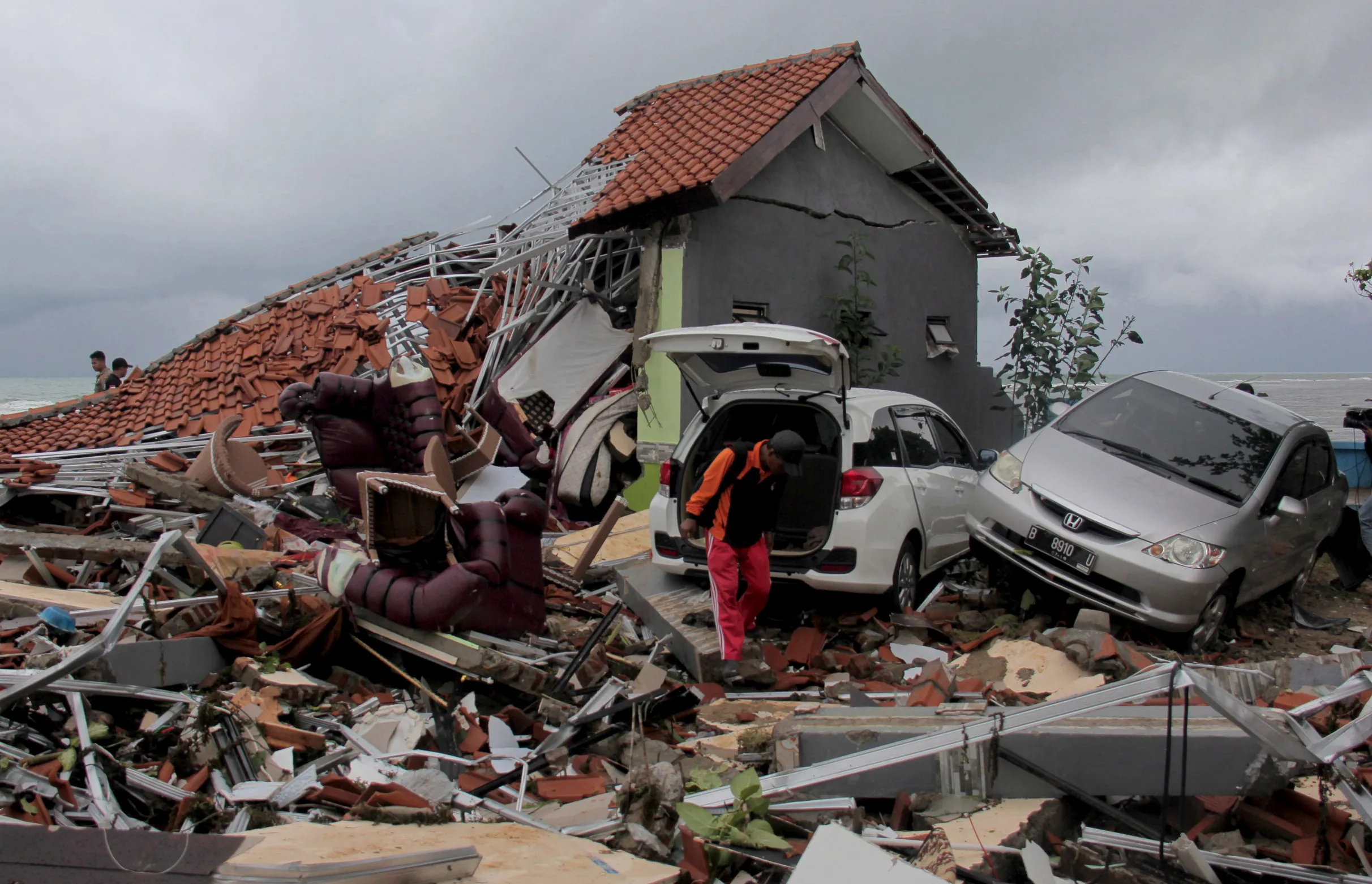
Puan Maharani, the Speaker of the Indonesian Parliament, reported a notable increase in natural disasters in the country, with nearly 700 incidents recorded in the last three months. She emphasized the urgent need for the government to implement measures to protect citizens from these escalating risks.
In her statements made in Jakarta, Puan pointed out that the frequency of these disasters reflects the vulnerability of Indonesian society to environmental challenges. She stressed that the situation requires a swift and effective response from the government to ensure the safety of the populace.
Details of the Event
Puan discussed the importance of understanding natural disasters not merely as isolated events but as recurring phenomena that necessitate long-term strategies. She clarified that the government must adopt a comprehensive approach to address the root causes of these disasters, including improving water management and infrastructure.
She also highlighted the need for disaster-related data to be more accurate and detailed, so it can be used to better guide government policies. Puan noted that current statistics should serve as a tool for risk analysis and identifying areas most susceptible to disasters.
Background & Context
Historically, Indonesia has experienced numerous natural disasters, including earthquakes, floods, and landslides. While these events are not new, their increasing frequency reflects the climatic and environmental changes affecting the country. Indonesia, located on the Pacific Ring of Fire, is among the most earthquake-prone and volcanically active nations.
In recent years, the severity of natural disasters has intensified, resulting in loss of life and destruction of property. This situation demands a rapid response from both the government and civil society to ensure the safety of citizens and enhance their resilience to environmental changes.
Impact & Consequences
The repercussions of natural disasters in Indonesia extend beyond material losses, directly affecting people's lives and livelihoods. After each disaster, citizens face significant challenges in rebuilding their lives, increasing pressure on the government to provide support and assistance.
Moreover, natural disasters impact the national economy by disrupting economic activities and leading to increased poverty. Therefore, it is crucial for the government to adopt comprehensive strategies to tackle these challenges, including improving infrastructure and enhancing local community capacities.
Regional Significance
Natural disasters are a global issue that affects all countries, including Arab nations. With the rise of climate change, many Arab countries face similar challenges, such as floods and droughts. Thus, Arab nations must collaborate with Indonesia and other countries to share experiences and best practices in disaster management.
Ultimately, the international community must unite to address environmental challenges, as natural disasters do not recognize borders. Cooperation and coordination among countries can contribute to improving disaster response and mitigating their negative impacts on communities.