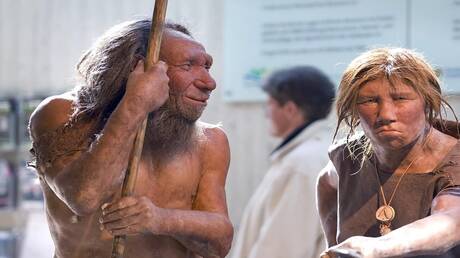
Researchers have revealed that modern humans carry a portion of Neanderthal genes, which became extinct around 40,000 years ago. This discovery raises questions about the prevalence of these genes among Arab populations compared to other global communities.
Neanderthal genes are considered part of the genetic makeup of many humans today, with studies indicating that most individuals of non-African descent carry between 1% and 2% of these genes. In some regions, this percentage may reach 4% or more.
Details of the Discovery
Research has shown that these genes influence a variety of traits, including immune response, the ability to withstand different temperatures, and even certain health risks. Scientists have conducted studies on the DNA of various populations, including Arabs, to determine the extent of these genes' impact on their health.
In the Arab region, percentages vary, with some studies indicating that populations in the Middle East carry higher proportions of Neanderthal genes compared to other areas. This reflects the history of human migrations and interactions among different human species.
Background & Context
The history of Neanderthals dates back over 40,000 years, during which they lived in Europe and Asia. With their extinction, they left behind a genetic legacy that still exists in modern human DNA. This discovery serves as evidence of the interaction between contemporary humans and Neanderthals, opening the door to a deeper understanding of human history.
These genes are considered part of the genetic heritage of modern humans, contributing to our understanding of how humans have evolved over time. Recent studies have shed light on how these genes affect health and the ability to adapt to different environments.
Impact & Consequences
These discoveries can influence our understanding of how diseases and physical traits evolve. For instance, knowledge of how Neanderthal genes affect immune response may aid in developing new treatments for diseases.
Additionally, this information could contribute to enhancing cultural and biological understanding among peoples, fostering dialogue about shared human identity. Understanding these genetic links may promote scientific collaboration among nations.
Regional Significance
These discoveries represent an opportunity for a deeper understanding of the genetic history of Arab populations. This knowledge may help enhance pride in cultural and historical heritage, showing that Arabs carry a part of humanity's long history.
Furthermore, these studies may pave the way for more research on genetic diversity in the region, aiding in public health improvement and understanding the health challenges faced by populations.
In conclusion, the discovery of Neanderthal genes in modern human DNA highlights the interconnectedness among peoples and reflects a long history of interaction and adaptation. This opens new horizons for understanding human history and its evolution.