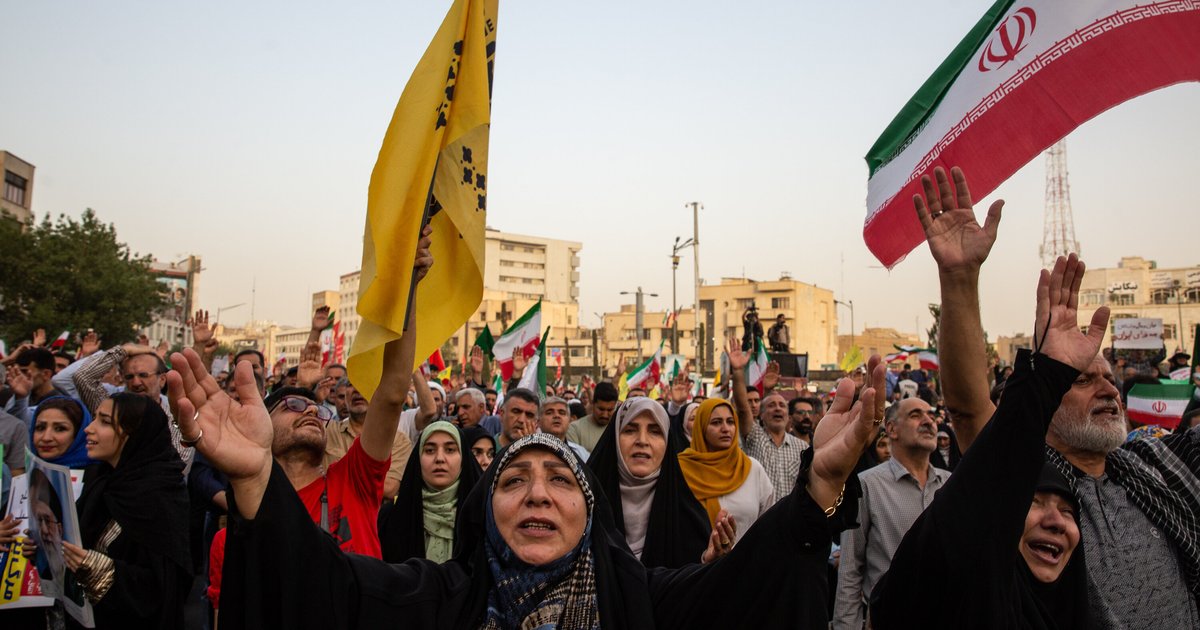
Reports indicate that negotiations aimed at reaching a ceasefire agreement between the United States and Iran have reached a deadlock, complicating the situation in the region. This development comes at a sensitive time as tensions between the two parties escalate, raising fears of potential military escalation.
These negotiations are part of broader efforts aimed at achieving stability in the Middle East, which is suffering from multiple conflicts. However, the failure to reach an agreement raises concerns about the possibility of worsening current crises.
Details of the Event
Information suggests that recent negotiations between Washington and Tehran have not yielded the desired results, as both parties faced difficulties in reaching a consensus on several key points. Among these points are issues related to the Iranian nuclear program and Tehran's support for militias in the region.
Despite the diplomatic efforts made by some European countries to mediate between the two sides, the talks have not resulted in any tangible progress. Both the United States and Iran have shown divergent positions, further complicating the situation.
Background & Context
The roots of tensions between the United States and Iran date back several decades, with relations between the two countries experiencing significant escalation since Washington's withdrawal from the Iranian nuclear agreement in 2018. This withdrawal led to the imposition of severe economic sanctions on Tehran, which significantly impacted its economy.
In recent years, the region has witnessed an increase in military activities, with the United States accusing Iran of supporting armed groups in Iraq, Syria, and Lebanon. These activities have raised concerns among neighboring countries and led to heightened regional tensions.
Impact & Consequences
The failure to reach a ceasefire agreement between Washington and Tehran represents a setback for diplomatic efforts aimed at achieving stability in the region. This deadlock could lead to potential military escalation, which may negatively impact regional security.
Moreover, the continuation of tensions between the two sides could affect oil prices and global markets, as Iran is one of the largest oil producers in the world. Any escalation in the conflict could lead to significant market fluctuations.
Regional Significance
Arab countries are directly affected by the tensions between the United States and Iran, as many of these countries are experiencing internal and external conflicts linked to Iranian influence. If the situation worsens, these countries may find themselves in a difficult position, further complicating security and economic conditions in the region.
In conclusion, hope remains for the possibility of resuming negotiations in the future, but the road ahead appears long and challenging. Continuous diplomatic efforts and international cooperation are required to achieve peace and stability in the region.