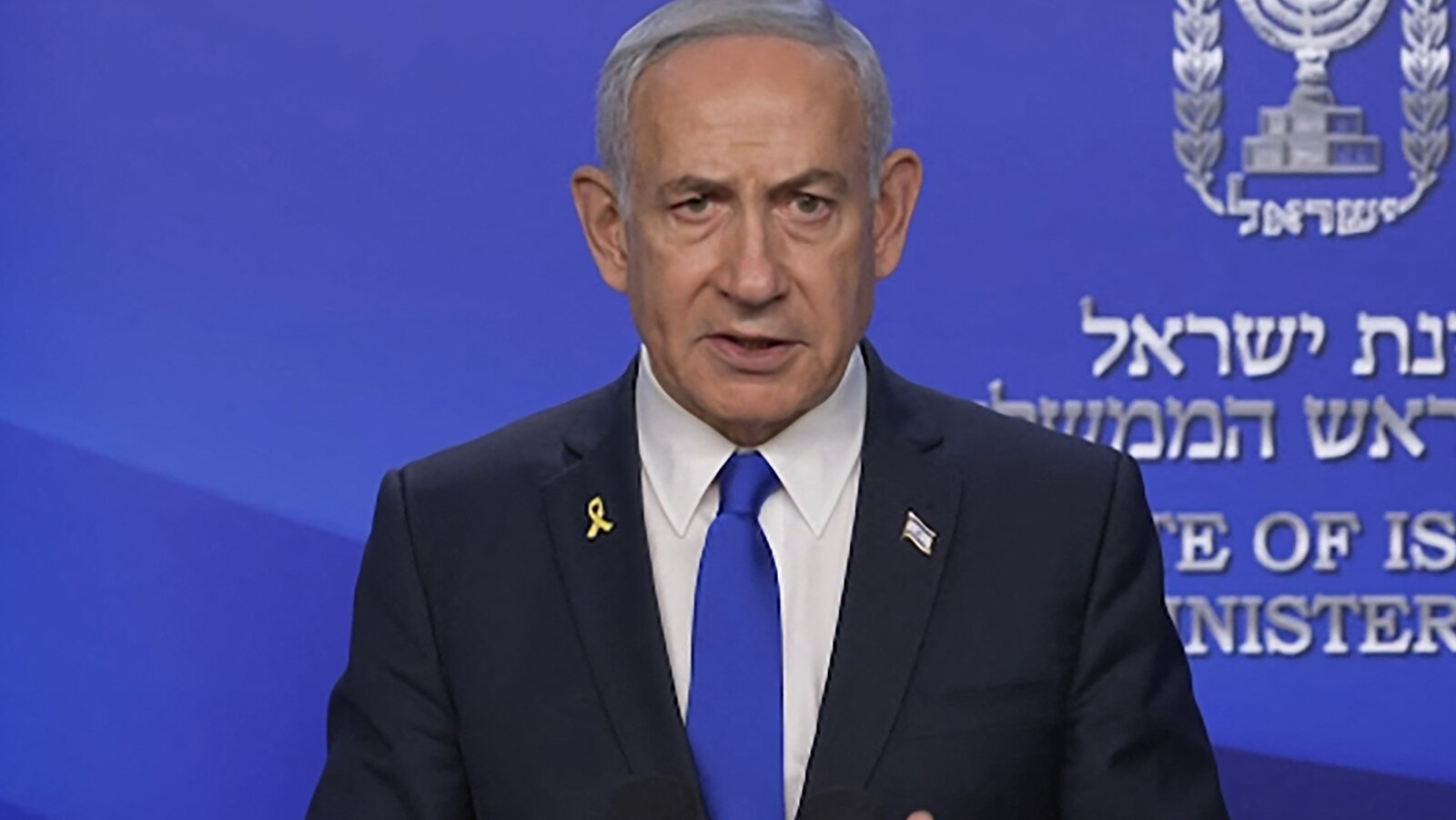
In a provocative statement, Israeli Prime Minister Benjamin Netanyahu confirmed on Tuesday, March 31, that Israel will continue its military campaign against Iran, stressing that "the campaign is not over yet." This was stated in a televised address where Netanyahu pointed out that Israel will persist in "destroying the Iranian terrorism system."
Netanyahu's remarks came shortly after Iranian President Masoud Beizheskin announced that his country possesses the "necessary will" to end the war with Israel and the United States, but is seeking guarantees to prevent the recurrence of conflict. In this context, Netanyahu stated, "We had to act, and we did act," adding that Israel is "steadfast in its mission" and has "changed the face of the Middle East."
Details of the Event
Netanyahu made these statements at a sensitive time, coinciding with the celebrations of Passover. He indicated that Israel has demonstrated its strength as a regional power despite the ongoing conflict. He also added that the military operations that began on February 28, which resulted in the death of Iran's Supreme Leader Ali Khamenei, have significantly impacted the situation in the region.
In contrast, opposition leader and head of the Yesh Atid party, Yair Lapid, criticized Netanyahu's statements, describing them as "arrogant rhetoric" that repeats the same message without achieving tangible results. He argued that Netanyahu is "close to changing the Middle East, but in the end, nothing has changed."
Background & Context
Historically, relations between Israel and Iran have been marked by increasing tensions, especially since the Iranian revolution in 1979. Iran considers Israel a major enemy and has supported groups such as Hezbollah and Hamas in their conflicts against it. In recent years, tensions have escalated further, particularly with Iran's nuclear program and Israeli interventions in Syria.
Netanyahu's statements come at a critical time as the international community seeks to find peaceful solutions to the conflict in the region. However, it appears that military escalation remains an option on the table for Israel, complicating the security situation in the Middle East.
Impact & Consequences
Analysts expect these statements to escalate tensions between Iran and Israel, which could affect regional stability. If military operations continue, we may witness reactions from Iran and its allies in the region, increasing the likelihood of new conflicts.
Additionally, the Israeli statements could impact relations with the United States, as President Joe Biden seeks to revive the nuclear deal with Iran. Israeli pressures may complicate these efforts, placing the U.S. administration in a sensitive position.
Regional Significance
Arab countries are directly affected by the escalating tensions between Iran and Israel. Nations like Saudi Arabia and the UAE are closely monitoring the situation, as any escalation could impact their security and stability. There are also concerns that the conflict could exacerbate sectarian conflicts in the region, complicating situations in countries like Iraq and Lebanon.
In conclusion, developments in the Iranian-Israeli conflict remain a significant focus, with growing concerns about their impact on regional and international security. The current situation requires the international community to take serious steps towards dialogue and negotiation to avoid further escalation.