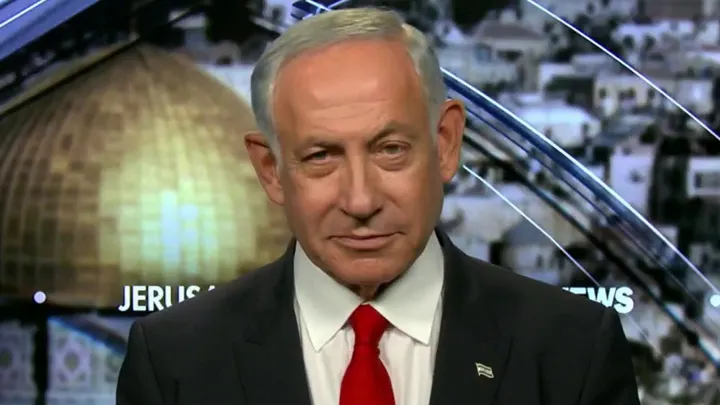
Israeli Prime Minister Benjamin Netanyahu expressed his concerns during a phone call with US President Donald Trump regarding the possibility of Washington moving towards a ceasefire agreement with Iran. According to Israeli Channel 12, citing an unnamed Israeli source, Netanyahu made this call last Sunday.
These statements come at a time when Israeli fears are increasing that the United States may seek to ease tensions with Iran, which could negatively impact Israeli interests in the region. During the call, Netanyahu emphasized the importance of maintaining pressure on Tehran, stressing the need to prevent it from enhancing its influence in the Middle East.
Details of the Event
Amid the ongoing escalation between Iran and Israel, Netanyahu appears to be seeking to reaffirm his government's stance against any American rapprochement with Iran. The Israeli source indicated that Netanyahu expressed concerns that any American steps towards de-escalation could bolster Iran's military capabilities, posing a direct threat to Israel.
The source added that Netanyahu insisted the United States must remain committed to a policy of pressure on Iran, especially given the ongoing Iranian nuclear activities, which Israel considers an existential threat. Netanyahu has shown a willingness to cooperate with Washington to ensure that no agreement detrimental to his country's interests occurs.
Background & Context
Historically, relations between Iran and Israel have been marked by increasing tensions, particularly following the Iranian nuclear agreement in 2015. Israel viewed this agreement as a threat to its national security, believing that Iran was seeking to develop its nuclear program for military purposes.
Despite the United States' withdrawal from the nuclear agreement in 2018, tensions have not subsided; rather, they have intensified with the escalation of Iranian military activities in the region, including its support for armed militias in Iraq and Syria.
Impact & Consequences
If a ceasefire agreement is reached between the United States and Iran, it could lead to a shift in the balance of power in the region. Israel might see this as an opportunity to strengthen its strategic position, but at the same time, it could face new challenges concerning Iran's military capabilities.
Moreover, any American rapprochement with Iran could affect relations between Washington and its allies in the region, including Arab countries that are concerned about Iran's growing influence. Consequently, this situation could create a state of instability in the region.
Regional Significance
Arab countries, especially those facing direct threats from Iran, such as Saudi Arabia and the United Arab Emirates, believe that any American agreement with Iran could negatively impact their security. This could lead to increased tensions between these countries and Tehran, potentially affecting regional stability.
At the same time, Arab nations may seek to strengthen their alliances with the United States to counter any potential threats from Iran, which could lead to a reshaping of alliances in the region.
In conclusion, the situation in the Middle East remains complex and requires careful monitoring by all parties involved. Netanyahu's statements reflect Israeli concerns about any shifts that could affect its security, necessitating a strategic response from Washington and its allies.