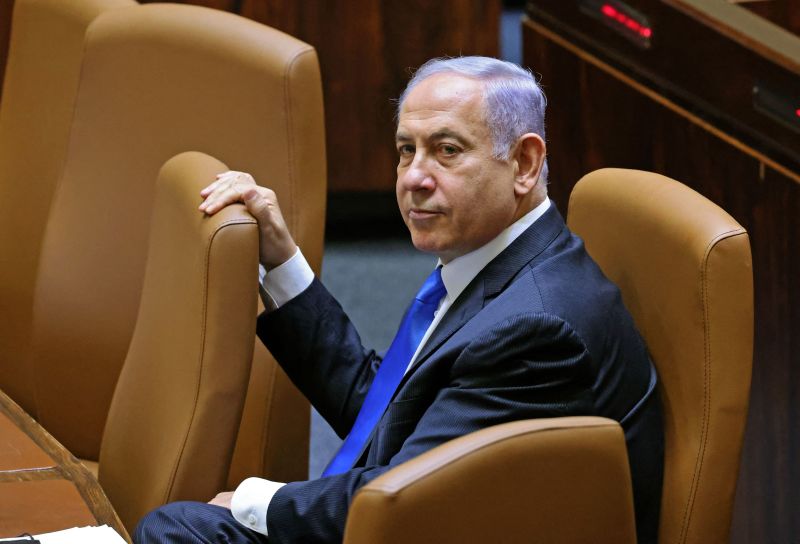
In an unexpected political development, the voting results in the Israeli Knesset indicate that Prime Minister Benjamin Netanyahu may lose the vote, yet he could remain in his position. This disturbing scenario raises widespread concerns about the future and stability of the Israeli government, posing questions about how to manage internal and external affairs under these circumstances.
According to reports, Netanyahu's potential loss in the vote comes at a highly sensitive time, as the Israeli government faces multiple challenges, including economic and social crises, alongside increasing tensions with the Palestinians. These developments seem poised to destabilize the current government, complicating the political landscape in the country.
Details of the Event
Reports indicate that the vote Netanyahu may lose pertains to critical issues related to the budget and security policies. Should he lose, he may face increasing pressure from within his party and from other coalition parties, potentially leading to calls for new elections. However, his continued presence in power despite a loss could result from several factors, including support from smaller parties or political alliances.
This scenario highlights the challenges facing Israeli democracy, where a loss of trust in the government could lead to political instability. Additionally, these developments come at a sensitive time, as Netanyahu seeks to consolidate his power in the face of growing opposition.
Background & Context
Historically, Israel has witnessed numerous political crises that led to changes in government, but the current scenario is considered unique. Netanyahu, who has served as Prime Minister for multiple terms, now faces unprecedented challenges, including corruption issues that haunt him, which may affect his popularity and voter confidence.
The complex regional situation, including the Israeli-Palestinian conflict, adds an additional layer of complexity to the internal situation. With rising tensions in the West Bank and Gaza Strip, any changes in government could impact Israeli policy toward the Palestinians, increasing the importance of political stability.
Impact & Consequences
If the scenario unfolds where Netanyahu remains in power despite his loss, it could lead to further political polarization in Israel. Citizens may feel distrustful of the political system, potentially resulting in protests or calls for change. Furthermore, this situation could affect Israel's relations with other countries, especially amid increasing international pressure for peace in the region.
Moreover, Netanyahu's continued leadership despite a loss could bolster his position as a strong leader, potentially leading to changes in domestic and foreign policies. This could have far-reaching implications for Israel's future, particularly given the economic and social challenges it faces.
Regional Significance
The political developments in Israel are of significant importance to the Arab region. The stability or instability of the Israeli government could directly impact relations with Arab countries, especially concerning the Palestinian issue. If Netanyahu remains in power, he may adopt more hardline policies toward the Palestinians, increasing tensions in the region.
Conversely, if there is a change in Israeli leadership, it could open the door for new negotiations or policy changes that might improve relations with Arab countries. Therefore, monitoring these developments is essential for understanding the future of the region.