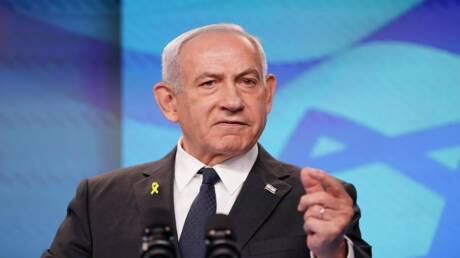
Israeli Prime Minister Benjamin Netanyahu has issued urgent instructions to grant the Latin Patriarch of Jerusalem, Pierbattista Pizzaballa, immediate and unrestricted access to the Holy Sepulchre. This move comes at a sensitive time, coinciding with the celebrations of Palm Sunday, which is one of the important religious occasions for Christians in Jerusalem.
These instructions follow a series of events that have raised concerns among Christian communities in the holy city, where instances of tensions and confrontations have been reported around the church. This has sparked angry reactions from the Christian community, which views these measures as a threat to their freedom of worship.
Details of the Event
During the celebrations of Palm Sunday, observed by Christians worldwide, the Holy Sepulchre in Jerusalem witnessed a large influx of visitors. However, there were fears that restrictions on access to the church could exacerbate tensions. Thus, Netanyahu's intervention came as a direct response to these concerns, emphasizing the importance of maintaining freedom of worship for all denominations.
The Holy Sepulchre is considered one of the holiest Christian sites, dating back to the fourth century AD. It serves as a center for worship and gathering for Christians, making any restrictions on access a highly sensitive issue.
Background & Context
Historically, Jerusalem has experienced recurring religious tensions, particularly between Muslims and Christians. These tensions have increased in recent years, with the escalation of political and social conflicts in the region. As religious holidays approach, these tensions often rise, causing concern among various communities.
In recent years, there have been several incidents related to access to religious sites, leading to widespread condemnation from the international community. These events pose a significant challenge for the Israeli government, which seeks to maintain Jerusalem's image as a center of religious tolerance.
Impact & Consequences
Netanyahu's intervention may have multiple impacts, as it could help to calm the situation in the short term, but it may not resolve the underlying issues facing Christian communities in Jerusalem. While this intervention reflects the government's desire to maintain stability, it raises questions about its commitment to protecting the rights of religious minorities.
This step may also affect relations between different denominations in Jerusalem, as it could be seen as a positive signal for Christians, but it may also be interpreted as an attempt by the government to mitigate international pressures.
Regional Significance
This event reflects the larger challenges facing religious communities in the region, where political issues intersect with religious rights. As the international community seeks to promote interfaith dialogue, Jerusalem remains a focal point in these discussions.
Moreover, events in Jerusalem significantly impact relations between Arab countries and Israel, as any violations of religious minority rights are considered sensitive issues that could lead to diplomatic tensions. Therefore, maintaining freedom of worship in Jerusalem is of utmost importance for peace and stability in the region.
In conclusion, Netanyahu's intervention represents an important step in the context of ongoing events, but it also highlights the persistent challenges faced by religious communities in Jerusalem. The question remains: will the Israeli government continue to take effective steps to protect the rights of religious minorities, or will these measures be merely temporary reactions?