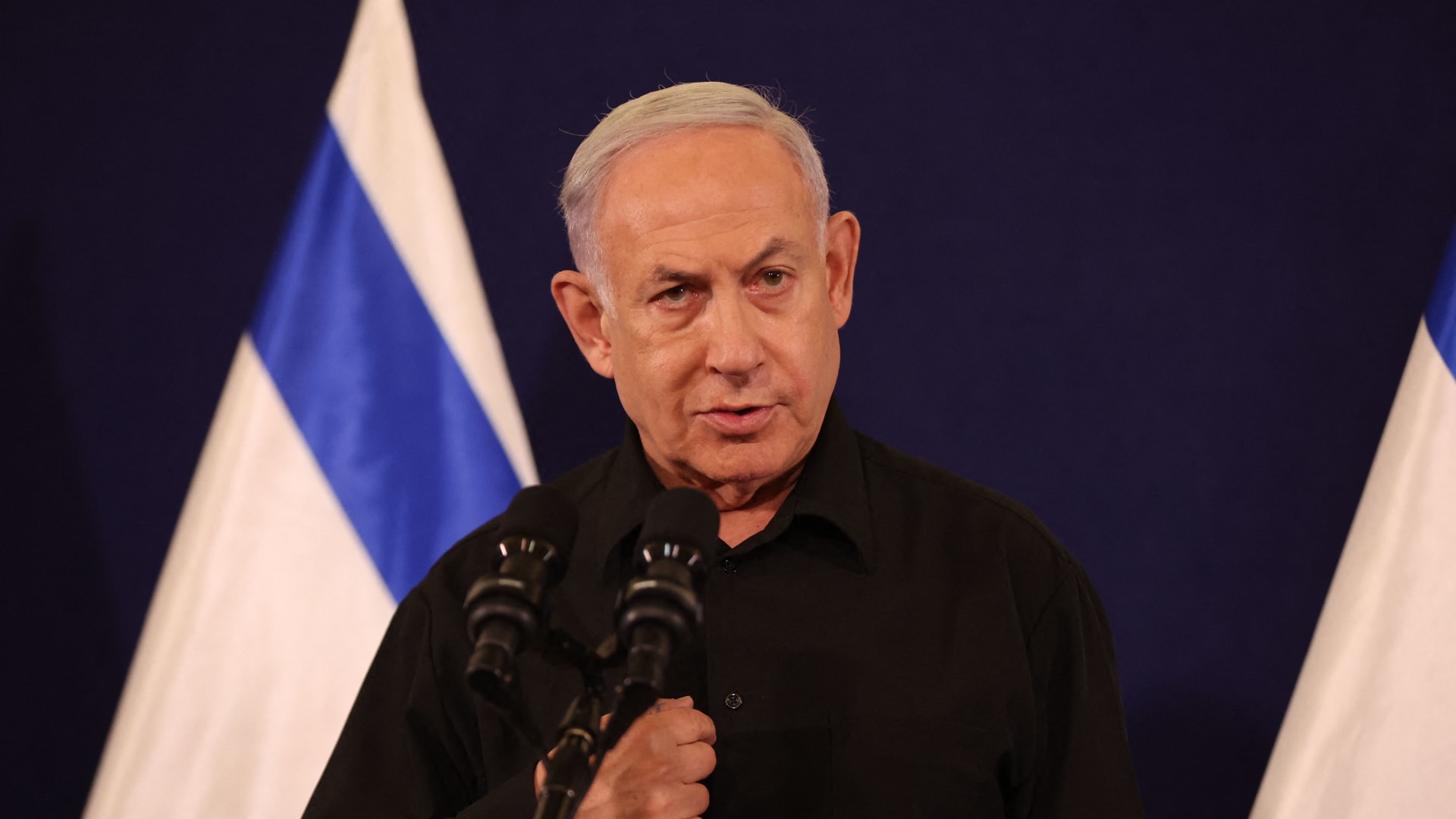
Israeli Prime Minister Benjamin Netanyahu is striving to pass the national budget in an effort to avoid early elections that could result in his loss of office, as polls indicate a significant decline in his popularity. Despite the onset of the war against Iran, this move has not succeeded in bolstering his political standing as he had hoped.
According to sources close to Netanyahu, his government viewed the first strike in the war, which resulted in the death of Iranian Supreme Leader Ali Khamenei, as an opportunity to achieve an electoral victory ahead of the elections scheduled for October. However, the military objectives have not met the desired success, prompting Netanyahu to reassess his strategy.
Details of the Situation
Following Khamenei's death, Netanyahu's close associates began to propose the idea of holding early elections in June, especially given that the parliament has not approved the budget by March 31, as stipulated by Israeli law for elections to occur within 90 days. Reports indicate that Netanyahu is seeking to avoid these elections after nearly a month of war that has not achieved its declared objectives, namely the overthrow of Iran's rulers.
Netanyahu's efforts to avert elections include allocating funds to political allies to ensure a majority vote in parliament in favor of the budget, aiming to expedite its approval through the Knesset's finance committee before the deadline. Despite his ongoing calls to maintain government stability, polls show that about 40% of voters remain loyal to Netanyahu's government, while another 40% support opposition parties.
Background & Context
Since October 7, 2023, the region has experienced significant upheaval following a surprise attack by Hamas on Israel, negatively impacting Netanyahu's security record. Although there is popular support for the war against Iran, Israelis are growing weary of its continuation without a clear end or diplomatic solution.
Polls suggest that Netanyahu's Likud Party may secure only 28 seats out of 120 in the Knesset, representing a decline from the current 34 seats. While Netanyahu seeks to secure support from allied parties, pressure is mounting from religious parties that have threatened to vote against the budget unless legislation is passed to exempt them from military service.
Impact & Consequences
Pressure is increasing on Netanyahu's government, with estimates from the Ministry of Finance indicating that the cost of the war with Iran reaches 5 billion shekels (approximately $1.6 billion) weekly. This sharp rise in defense spending limits the ability to meet the demands of key electoral constituencies that Netanyahu needs to support him.
Under these circumstances, the prospect of holding elections this summer seems remote, as Netanyahu seeks to buy time. However, the challenges he faces extend beyond politics, as he is also confronting corruption trials that could impact his political future.
Regional Significance
The ramifications of the situation in Israel extend beyond its borders, as the war against Iran raises widespread concern in the region. Events in the Middle East affect regional stability, making it essential to closely monitor developments.
In conclusion, Netanyahu faces a difficult battle in the Knesset as he seeks to pass the budget at a sensitive time, amid internal and external challenges that could affect his political future.