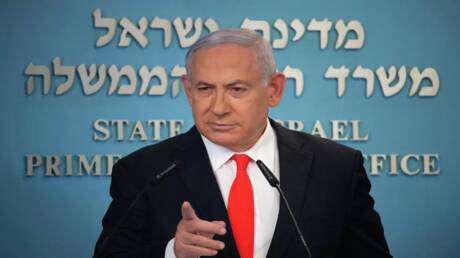
According to Axios, Israeli Prime Minister Benjamin Netanyahu has voiced his fears regarding the possibility of the United States reaching an agreement with Iran that could bypass Tel Aviv's interests. These statements come at a sensitive time when US-Iran relations are undergoing significant transformations, causing concern within the Israeli government about the future of regional security.
These fears are part of Netanyahu's strategy to emphasize the importance of maintaining Israeli military superiority in the region. He has indicated on several occasions that any agreement reached between Washington and Tehran must include clear guarantees for Israel's security, which currently seems uncertain.
Details of the Situation
Pressure is mounting on the US administration to resume talks with Iran regarding its nuclear program, which raises significant concerns in Tel Aviv. Israel is striving to influence the formulation of any potential agreement, believing that any concessions made by Washington to Tehran could enhance Iran's military capabilities and expand its influence in the region.
In this context, Israeli officials have expressed worries that any agreement might involve easing economic sanctions on Iran, potentially allowing it more financial resources to support its military and terrorist activities in the region. This is viewed as a direct threat to Israeli national security.
Background & Context
Historically, relations between Israel and Iran have been tense, with Israel considering Iran an existential threat. Since the Islamic Revolution in 1979, the relationship between the two countries has deteriorated continuously, marked by escalating military and political tensions. These tensions have particularly intensified following the signing of the Iranian nuclear agreement in 2015, which Israel deemed insufficient to ensure its security.
In recent years, Israel has taken proactive steps to counter the Iranian threat, including conducting military operations against Iranian targets in Syria. Additionally, Tel Aviv seeks to strengthen its alliances with Arab nations to confront the growing Iranian influence in the region.
Impact & Consequences
If a US-Iran agreement is reached without considering Israeli interests, it could lead to an escalation of tensions in the region. Tel Aviv may feel compelled to take preemptive military actions to safeguard its security, potentially escalating the conflict in the Middle East.
Moreover, any agreement that alleviates economic pressures on Iran could enable it to bolster its military capabilities, thereby increasing its threats to its neighbors. This could destabilize the region further and exacerbate existing conflicts.
Regional Significance
The Israeli concerns regarding a potential deal between the United States and Iran are of great importance to Arab nations. Such a deal could shift the balance of power in the region, raising alarms among Arab countries that fear the rise of Iranian influence.
Relations between Arab states and Iran could be significantly affected, as some countries may seek to strengthen their alliances with Israel to counter the increasing Iranian threat. These developments could also lead to greater divisions within the region, complicating peace and stability efforts.
In conclusion, Israeli fears regarding any US-Iran agreement remain prevalent, reflecting ongoing tensions in the Middle East. The international community must consider these concerns when contemplating future steps towards Iran to ensure regional stability.