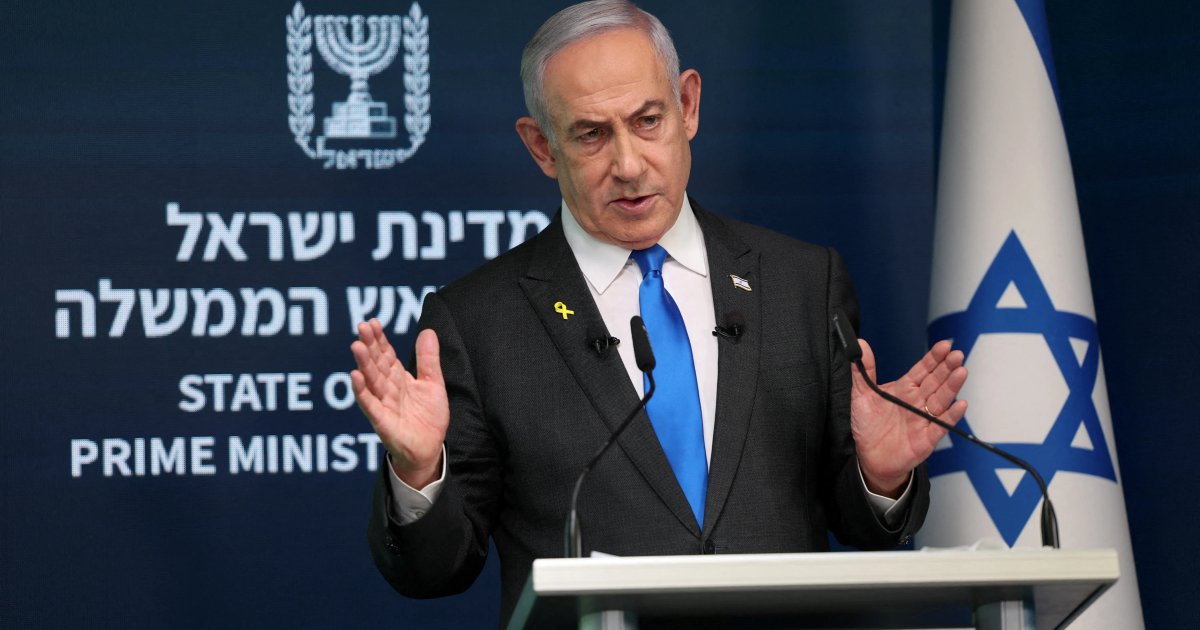
As the date of the Israeli elections draws near, Prime Minister Benjamin Netanyahu is facing escalating challenges from his adversaries in both Iran and Lebanon. These challenges could significantly impact the political stability in Israel, as Netanyahu strives to bolster his position in the upcoming elections.
Reports indicate that Netanyahu's rivals in Iran and Hezbollah in Lebanon may take advantage of this opportunity to enhance their influence in the region, complicating the political landscape in the Middle East. While Netanyahu aims for electoral victories, these threats could serve as obstacles to his political ambitions.
Details of the Situation
Netanyahu is preparing to contest the elections in a charged atmosphere, facing both internal and external criticisms. In Iran, the government is closely monitoring the political developments in Israel and may exploit any weakness in Netanyahu's position to strengthen its regional stance. On the other hand, Hezbollah, considered one of Israel's primary adversaries, could benefit from these circumstances to enhance its influence in Lebanon and the region at large.
There are also concerns about a potential military escalation in the region, as Hezbollah may attempt to leverage the political situation in Israel to increase pressure on the Israeli government. Such escalation could exacerbate security conditions in the region, further complicating matters for Netanyahu and his administration.
Background & Context
Historically, relations between Israel and Iran have been tense, with Iran regarded as one of Israel's greatest adversaries in the region. Since the Islamic Revolution in 1979, Iran has pursued an antagonistic policy towards Israel, leading to heightened tensions between the two countries. In recent years, these tensions have significantly increased, particularly with Iran's support for Hezbollah.
Hezbollah was established in 1982 in response to the Israeli occupation of Lebanon and has since become a key player in Lebanese and regional politics. The group enjoys substantial support from Iran, making it one of the most prominent security threats to Israel.
Impact & Consequences
These challenges could lead to significant changes in Israeli politics, potentially affecting the outcomes of the upcoming elections. If Netanyahu fails to address these threats, it could result in a loss of voter support, opening the door for other parties to take power.
Moreover, these tensions could lead to military escalation in the region, impacting regional stability. Should any escalation occur, the Israeli economy could be significantly affected, increasing pressure on the current government.
Regional Significance
These developments are of great importance to the Arab region, as they may lead to changes in political alliances. If Netanyahu's rivals manage to gain ground, it could strengthen Iran and its allies in the region, increasing tensions between Arab states and Iran.
Furthermore, any military escalation could affect security and stability in neighboring countries, prompting Arab nations to adopt cautious stances towards these developments. Ultimately, the situation in the region remains volatile, necessitating close monitoring by all concerned parties.