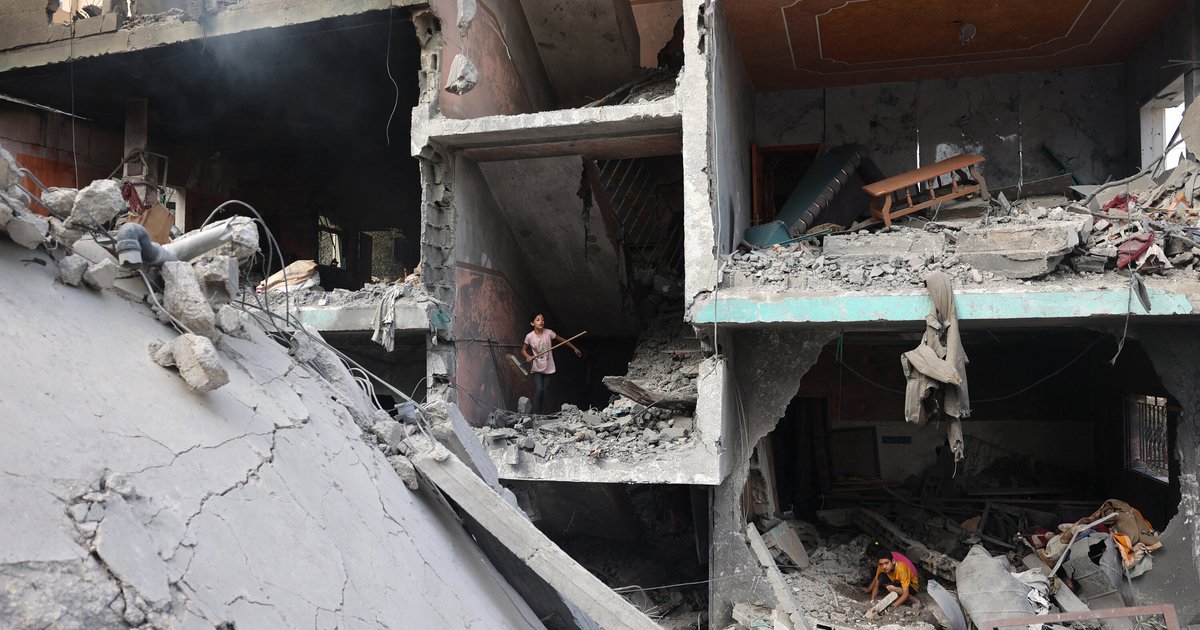
Recent reports indicate significant developments in the Gulf region, where ongoing events are likely to affect regional stability. Tensions are rising amid escalating political and economic crises.
The region is experiencing rapid transformations, as political issues intertwine with economic dimensions, complicating the landscape further. In this context, fears are growing regarding the impact of these events on the security and stability of Gulf countries.
Details of the Current Situation
Events are unfolding in the Gulf region, with reports noting an increase in military activities and political tensions among countries. This comes amid rising economic crises affecting some nations, heightening the intensity of these tensions.
Reports indicate that there are intensive diplomatic efforts aimed at calming the situation; however, challenges remain. At the same time, some countries are seeking to strengthen their regional and international alliances to confront these challenges.
Background & Context
Historically, the Gulf region has witnessed numerous political and economic crises, which have had profound implications for regional stability. Since the beginning of the new millennium, several significant events have occurred, such as the U.S. invasion of Iraq in 2003, which left long-lasting effects on the region.
Additionally, tensions between Iran and other Gulf countries have exacerbated crises, leading to a division in political stances. In recent years, we have also seen the impacts of the COVID-19 pandemic on the Gulf economy, increasing pressures on governments.
Impact & Consequences
Analyses predict that these developments will lead to significant changes in the domestic and foreign policies of Gulf countries. Economic crises may affect foreign investments, increasing challenges for governments.
Moreover, political tensions could escalate conflicts, threatening regional security. In this context, the need for effective strategies to address these challenges becomes evident.
Regional Significance
The Gulf region is a vital center in the Arab world, and any changes within it may directly impact neighboring countries. Current crises could lead to economic and social repercussions in other Arab nations.
Furthermore, political transformations in the Gulf may open the door for changes in regional alliances, potentially affecting stability in the region as a whole. In this context, the importance of Arab cooperation to face these challenges is highlighted.
In conclusion, the Gulf region remains at the heart of regional events, requiring close monitoring and in-depth analysis to understand the potential repercussions on the area.