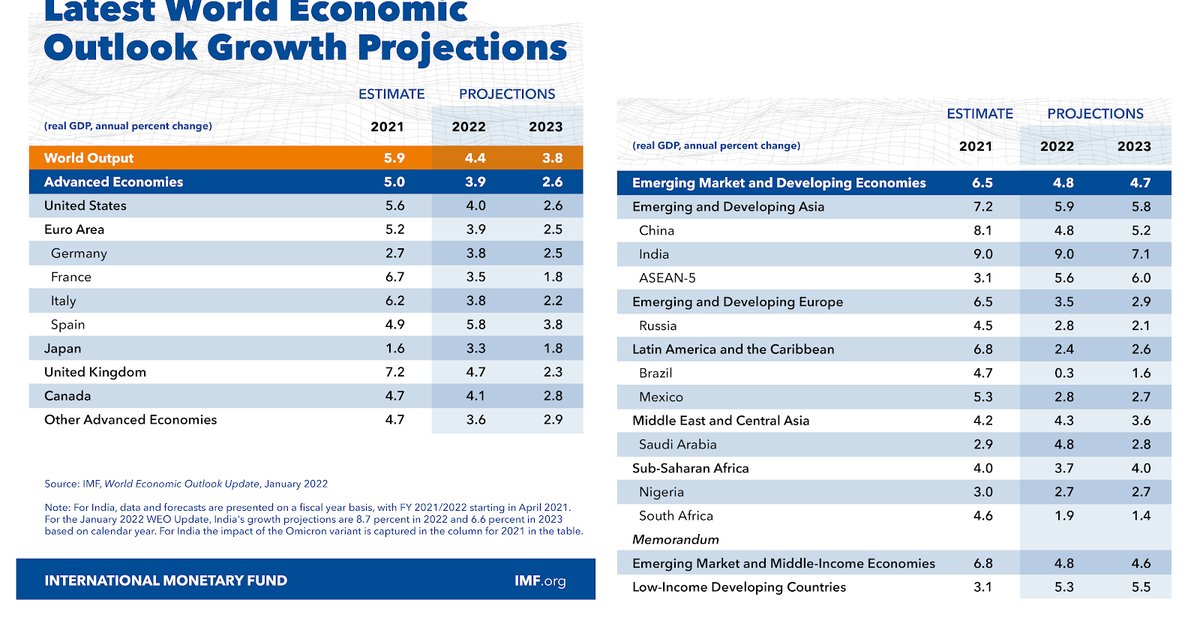
Recent economic reports indicate that global markets are facing increasing challenges that impact economic growth. Experts predict that these challenges will continue to affect investments and growth in many countries.
These forecasts come at a time when the global economy is experiencing volatility due to changes in monetary and fiscal policies, alongside geopolitical disruptions that contribute to increased uncertainty in the markets.
Details of the Situation
Recent data shows that many major economies, including the United States and China, are struggling to achieve their growth targets. Experts have pointed out that persistent inflation and rising energy prices significantly affect consumers' purchasing power.
Reports have also indicated that many companies are facing challenges in supply chains, leading to production delays and increased costs. These combined factors contribute to a decline in investor confidence in the markets.
Background & Context
Over the past years, the global economy has undergone significant transformations due to financial crises and changing economic policies. Since the onset of the COVID-19 pandemic, many countries have faced unprecedented challenges, resulting in a slowdown of economic growth.
Governments and central banks are striving to implement measures to support the economy, but these measures often come with long-term costs, such as increased public debt and rising inflation rates.
Impact & Consequences
These economic challenges are expected to affect both foreign and domestic investments, potentially leading to reduced job opportunities and increased unemployment rates. Additionally, economic instability may exacerbate social and political crises in some countries.
These conditions require governments to take urgent measures to mitigate the effects of economic crises, including enhancing social support and stimulating growth through investments in infrastructure and technology.
Regional Significance
Arab countries are also facing similar challenges, as many economies rely on oil and gas. Rising energy prices may have a positive impact on some countries, but at the same time, they contribute to increased inflation in other import-dependent nations.
Arab countries must enhance economic diversification and reduce reliance on natural resources by investing in non-oil sectors such as tourism and technology.
In conclusion, amid these global economic challenges, countries must take proactive steps to ensure their economic and social stability. Regional and international cooperation will play a crucial role in addressing these crises and achieving sustainable growth.