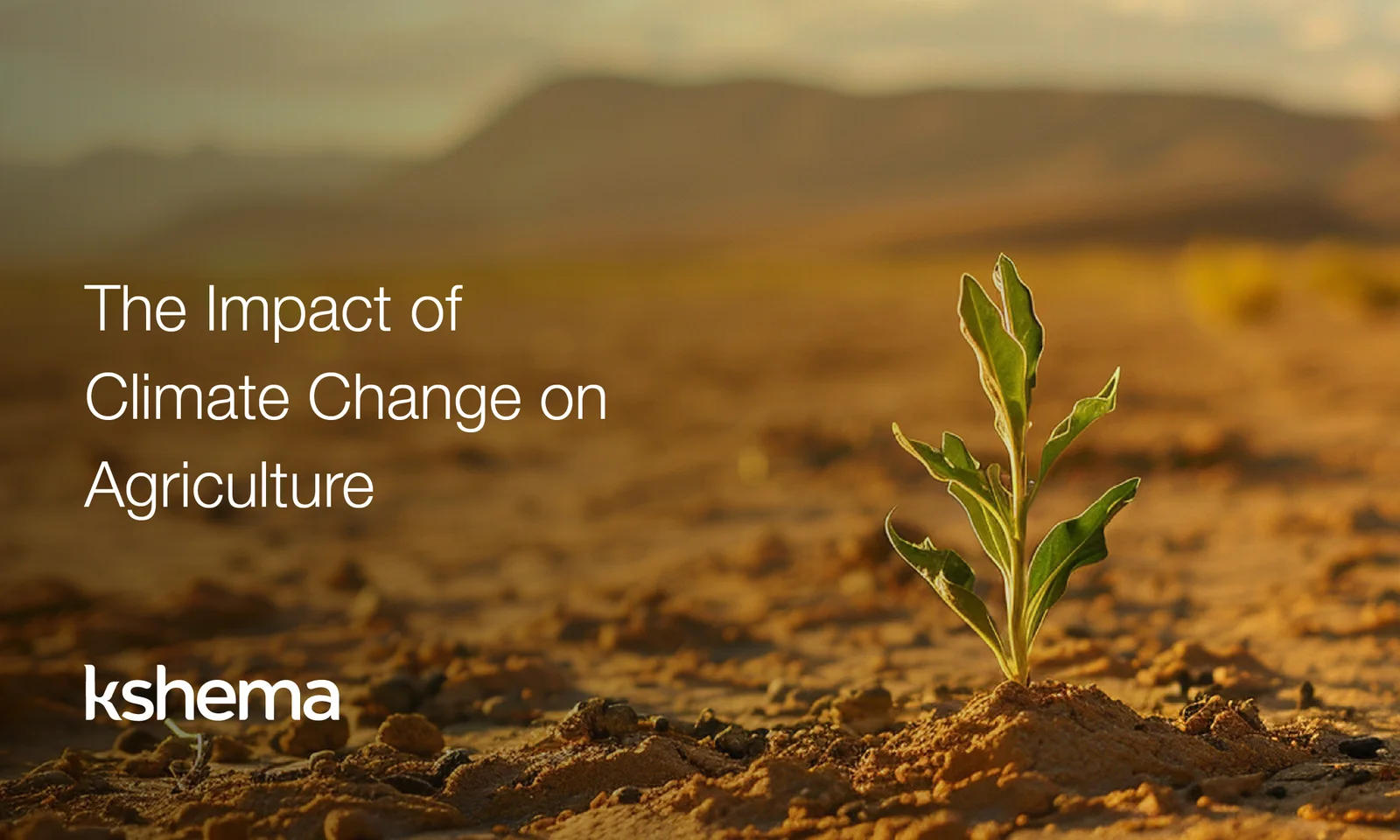
Recent environmental reports indicate significant developments in the Gulf region that could greatly affect daily life and the local economy. These changes are primarily driven by climate change and its consequences.
Studies suggest that climate change plays a pivotal role in shaping the environment in the Gulf, where temperatures are rising and rainfall rates are declining. These factors impact agriculture and groundwater resources, raising concerns among local populations.
Details of the Event
In recent years, the Gulf region has experienced noticeable climate changes, with temperatures rising significantly. According to reports from the meteorological authority, the average temperatures in some areas have exceeded 50 degrees Celsius during the summer. This increase in temperature affects the daily lives of residents and increases energy consumption.
Moreover, studies indicate that rainfall rates have decreased by up to 30% in some areas, threatening fresh water sources. This situation necessitates urgent actions to adapt to these changes.
Background & Context
Historically, the Gulf region has heavily relied on groundwater sources and traditional agriculture. With the increasing environmental challenges, it has become essential to seek sustainable solutions. In recent years, governments in the region have begun implementing new strategies aimed at improving water resource management and promoting sustainable agriculture.
There are also increasing efforts for regional and international cooperation to tackle environmental challenges. For instance, environmental conferences have been organized to discuss ways to collaborate and share knowledge among Gulf countries.
Impact & Consequences
Environmental changes directly affect the local economy, as farmers face significant challenges in crop production. This situation could lead to increased food prices, impacting citizens' purchasing power.
Additionally, climate changes may result in more frequent droughts, increasing pressure on water resources. This scenario requires effective strategies to adapt to climate changes and improve water management.
Regional Significance
The Gulf region is part of a broader regional context, where many Arab countries face similar environmental challenges. Climate change affects food and water security across the region, necessitating regional cooperation to address these challenges.
Ultimately, the current situation requires a swift and effective response from governments and local communities. It is crucial to enhance environmental awareness and develop sustainable strategies to ensure a better future for upcoming generations.