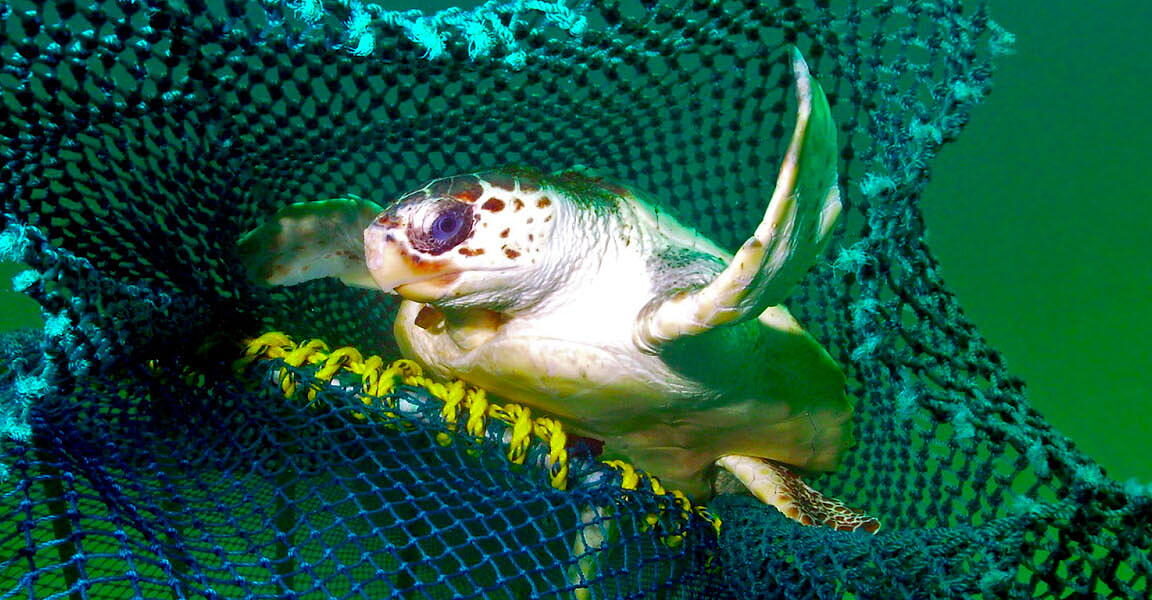
Experts in fishing have revealed a new technique that involves using nets equipped with special devices aimed at reducing the mortality of marine turtles and other creatures during fishing operations. This innovation allows fishermen to continue their profession without negatively impacting biodiversity.
These innovations are considered an important step towards achieving a balance between the needs of fishermen and the protection of the marine environment. The nets have been developed to be more effective in filtering targeted fish species while reducing the chances of catching non-target marine creatures, such as turtles.
Details of the New Technique
The new technique involves using nets equipped with advanced sensors that identify the targeted fish species, helping to reduce the number of marine creatures caught accidentally. Studies have shown that these nets can reduce the mortality of marine turtles by up to 50% compared to traditional nets.
This innovation comes at a time when many marine species are facing threats due to overfishing and habitat destruction. Therefore, this technique represents a glimmer of hope for preserving biodiversity in the oceans.
Background & Context
Historically, traditional fishing operations relied on non-specialized nets, leading to the mortality of many non-target marine creatures. Research has shown that overfishing significantly impacts ecological balance, with many marine species facing extinction due to these practices.
In recent years, global awareness of the importance of protecting the marine environment has increased, prompting governments and NGOs to seek innovative solutions. This new technique may represent part of global efforts to preserve biodiversity in the oceans.
Impact & Consequences
This technique is expected to have a positive impact on the marine environment, as it will help protect endangered species such as marine turtles. Additionally, reducing the mortality of non-target marine creatures will contribute to enhancing the sustainability of marine resources, benefiting both fishermen and coastal communities.
Moreover, these innovations may encourage more fishermen to adopt environmentally friendly techniques, contributing to the achievement of sustainable development goals. This technique could also serve as a model for other regions around the world.
Regional Significance
In the Arab region, seas and oceans are a vital source of food and economy. Therefore, adopting new fishing techniques can contribute to protecting marine resources. Many Arab countries face similar challenges related to overfishing and habitat degradation, making these innovations particularly significant.
This technique could enhance food security in Arab countries, as it may help increase fishing productivity without negatively impacting the marine environment. Furthermore, protecting marine species will boost eco-tourism, benefiting the local economy.
Innovations in fishing represent an important step towards achieving a balance between human needs and environmental protection. With ongoing research and development, we can hope for a more sustainable future for the seas and oceans.