In a new step in its efforts to combat corruption, the Indonesian Corruption Eradication Commission (KPK) has requested information from shipping service providers as part of ongoing investigations into corruption cases in the customs sector. Witness Ahmad Kusaeri, known as Othi, who works as a businessman, was interrogated on Wednesday, April 8.
KPK spokesperson Budi Prasetyo stated to reporters in Jakarta that the witness was questioned about the mechanisms and processes he follows as a shipping service provider in the importation of goods. An employee from the Customs Directorate named Sini was also interrogated as part of the investigations.
Details of the Event
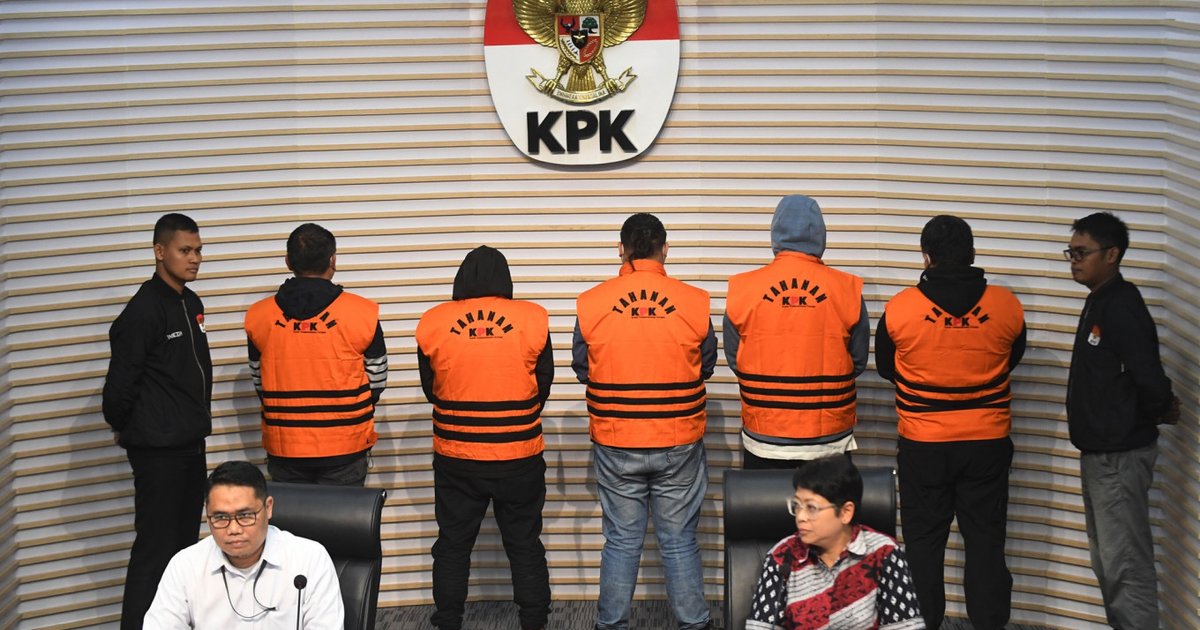
These investigations come in the wake of previous arrests made on February 4, 2026, when the KPK conducted a hand arrest operation in the corridors of customs, resulting in the detention of several officials, including Rizal, the head of the customs office in the West Sumatra region.
On February 5, the KPK announced the identification of six out of 17 individuals arrested as suspects in cases related to bribery and illicit privileges in the importation of counterfeit goods. Among these was Rizal, who served as the director of investigations in customs from 2024 until January 2026, along with several other officials.
Background & Context
Historically, Indonesia has faced significant challenges in combating corruption, particularly in government sectors such as customs. These investigations are part of broader efforts aimed at enhancing transparency and accountability within the government. Corruption issues in customs have been particularly highlighted, with numerous reports of bribery and illicit privileges.
There is increasing pressure on the Indonesian government to improve its administrative system and reduce corruption, as it is seen as a major obstacle to economic and social development in the country. These investigations have contributed to strengthening public trust in government institutions.
Impact & Consequences
These actions by the KPK are seen as a sign of the Indonesian government's commitment to fighting corruption, which may lead to significant changes in how customs are managed. It is expected that these investigations will improve the business environment in Indonesia, potentially attracting more foreign investments.
However, the government may face challenges in implementing necessary reforms, especially in the face of resistance from certain elements within the system. Continuous efforts are required to ensure justice and accountability are achieved.
Regional Significance
Corruption issues in customs are of particular importance to many Arab countries, which face similar challenges in this area. Arab nations can benefit from Indonesia's experiences in combating corruption by exchanging expertise and implementing effective strategies.
Enhancing transparency and accountability in customs can contribute to improving the business environment and bolster trust in government institutions, ultimately benefiting the economy as a whole.