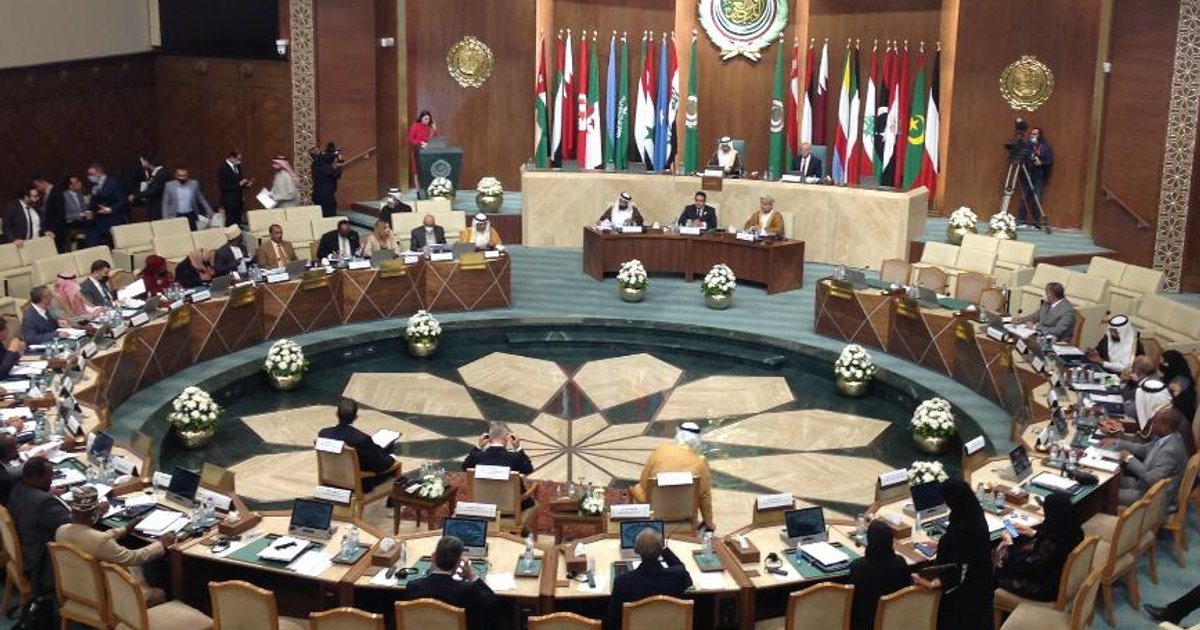
A recent report from Al-Ittihad reveals significant political developments in the Arab world. These developments pertain to shifts in the domestic and foreign policies of several countries, which are expected to reflect on regional relationships.
These events come at a sensitive time, as many Arab countries are striving to enhance their internal stability and develop relations with neighboring nations. Additionally, these changes could affect regional security and the overall Arab economy.
Details of the Developments
Reports indicate that there are active diplomatic movements among several Arab countries, with leaders seeking solutions to ongoing crises. Several meetings have been held among foreign ministers to discuss outstanding issues, including border disputes and economic cooperation.
Furthermore, reports suggest that there are increasing efforts to enhance security cooperation among Arab nations to address common challenges, such as terrorism and illegal immigration. These steps are part of a comprehensive vision to strengthen security and stability in the region.
Background & Context
Historically, the Arab region has witnessed numerous political and economic crises that have affected relations between countries. Since the Arab Spring in 2011, many political systems have changed, leading to instability in some nations. This background makes it essential for Arab countries to seek to enhance cooperation among themselves.
Additionally, regional tensions, such as the Israeli-Palestinian conflict, significantly impact the domestic and foreign policies of Arab states. Therefore, any movement towards improving relations could have a positive effect on the overall situation in the region.
Impact & Consequences
These political developments could lead to radical changes in how Arab countries interact with one another. If these efforts succeed, we may witness an improvement in economic and trade relations, benefiting the peoples of the region.
Moreover, enhancing security cooperation could contribute to reducing terrorist threats, increasing the chances for stability in Arab countries. This stability could open the door for foreign investments and boost economic growth.
Regional Significance
These developments are significant not only for the countries involved but for the Arab region as a whole. The more positive relationships that exist between nations, the greater the opportunities for collaboration in various fields, such as education, culture, and economy.
In conclusion, it can be said that these political movements represent a step towards achieving stability in the region, which is what Arab citizens aspire to under the current circumstances.