The Gulf region is witnessing significant political and economic transformations, with attention focused on recent developments that may affect regional stability. These events come at a sensitive time that requires close monitoring.
Political tensions are increasing in the region, with crises escalating in some countries, raising concerns about their impact on relations between Gulf states. At the same time, these countries are striving to enhance their economies through new strategies aimed at diversification and reducing dependence on oil.
Details of Recent Events
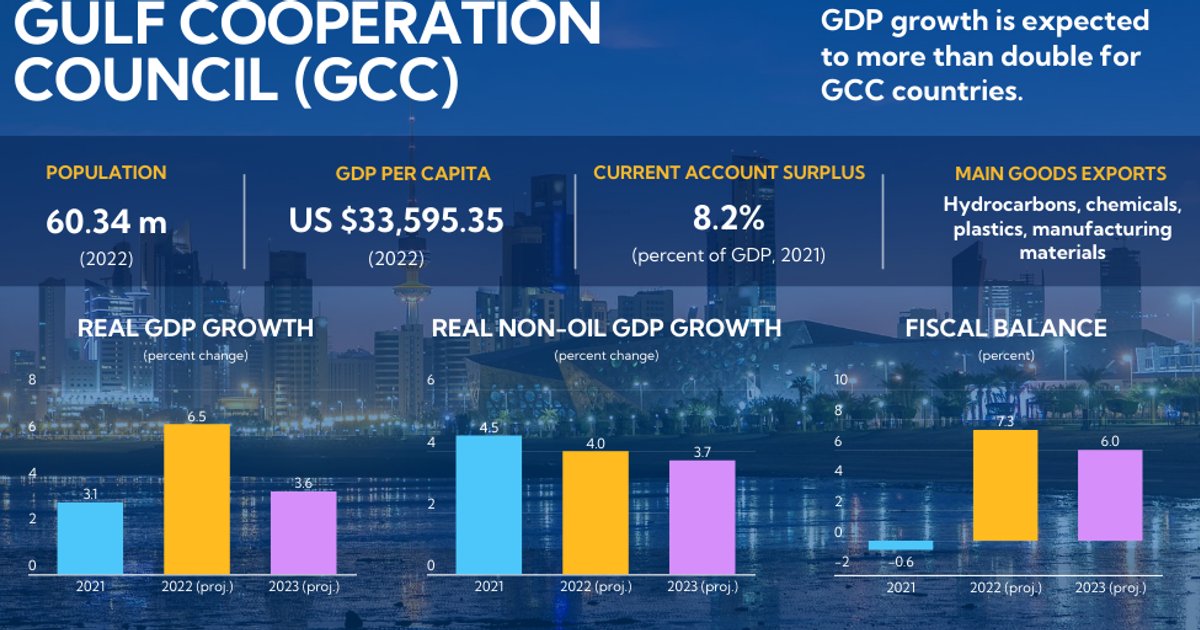
Recently, several Gulf countries announced new plans aimed at enhancing economic and trade cooperation among themselves. For instance, new agreements were signed between the Gulf Cooperation Council (GCC) countries to boost intra-regional trade and facilitate investment flows. These steps are part of the Vision 2030 initiative, which seeks to achieve sustainable development in the region.
Moreover, Gulf financial markets have seen notable activity, with stock indices in some countries rising, reflecting investor optimism about the future of the economy. However, significant challenges remain for these economies, such as fluctuations in oil prices and geopolitical tensions.
Background & Context
Historically, the Gulf region has been a center for oil wealth, making it a focal point for the world. However, the heavy reliance on oil has made these countries vulnerable to global economic fluctuations. Therefore, Gulf states have begun implementing strategies in recent years aimed at diversifying their economies, such as investing in technology and renewable energy.
Saudi Arabia's Vision 2030 is one of the most prominent examples of these strategies, aiming to reduce dependence on oil and enhance non-oil sectors. Similarly, the United Arab Emirates has launched comparable initiatives, reflecting the general trend towards achieving sustainable development.
Impact & Consequences
These transformations significantly affect relations among Gulf states, as each country seeks to enhance its economic and political standing. These dynamics may lead to changes in regional alliances, which could reflect on political stability in the region.
Furthermore, enhancing economic cooperation could contribute to improving living conditions for citizens and boost job and investment opportunities. However, political tensions may remain an obstacle to achieving these goals, necessitating Gulf states to work on fostering dialogue and understanding.
Regional Significance
The developments in the Gulf are of great importance to the Arab region as a whole, as stability in the Gulf directly impacts neighboring countries. In light of the economic and political challenges faced by some Arab states, strengthening cooperation in the Gulf could serve as a model to follow.
Moreover, the success of Gulf countries in implementing their development strategies could provide new opportunities for other Arab nations to collaborate and benefit from successful experiences. Ultimately, the current situation in the Arab region requires further coordination and cooperation among countries to achieve common goals.
In conclusion, the Gulf region remains at the heart of political and economic events, necessitating close monitoring of upcoming developments. The challenges and opportunities available will shape the future of the region, calling for all parties to work together to achieve stability and sustainable development.