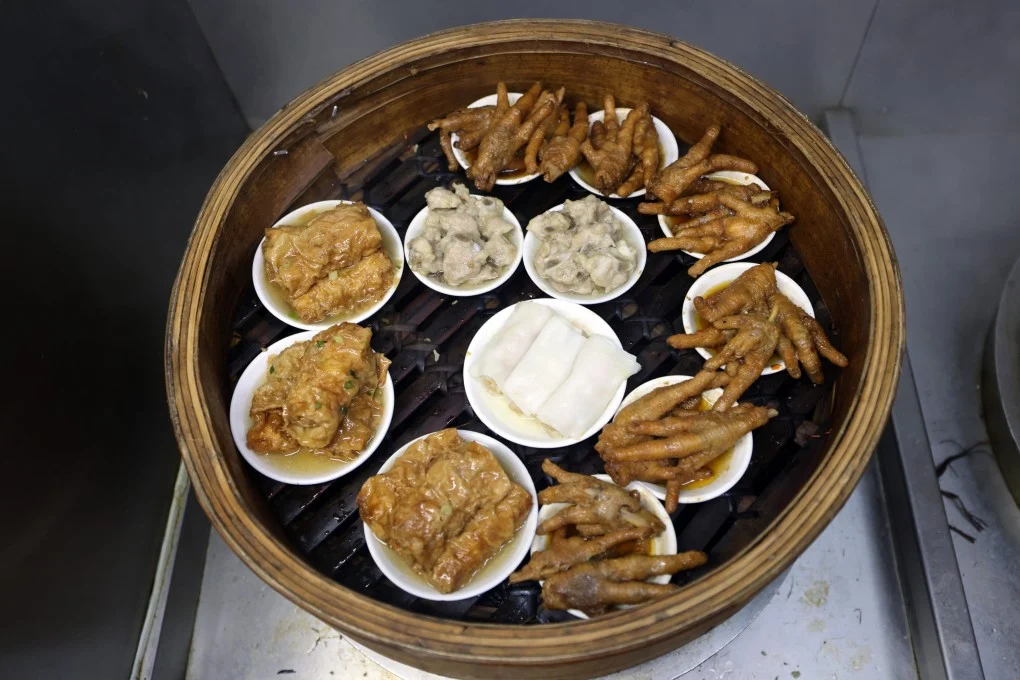
Authorities in the Chinese city of Guangzhou have announced a new rule concerning the protection of morning tea heritage, requiring tea houses to disclose whether traditional dim sum dishes are made by hand or using non-traditional methods. This decision, which will take effect on May 1, has sparked widespread debate about transparency in the preparation of traditional foods, particularly in Hong Kong.
The new rule requires operators to clarify the preparation methods of dim sum on menus, allowing customers to know whether the dishes were prepared using known traditional methods or faster, less traditional techniques. This decision comes at a time when concerns are growing about preserving the cultural heritage of food in the region, where dim sum is considered an integral part of the culinary identity of Hong Kong.
Details of the New Regulation
Guangzhou, regarded as the birthplace of dim sum, aims to enhance transparency in the food industry through this regulation. Officials have indicated that this step is intended to protect cultural heritage and improve the quality of the food served. However, the decision has raised questions about how it will be implemented in Hong Kong, where dim sum is part of everyday culture.
In Hong Kong, dim sum is a symbol of hospitality and is often served at social gatherings. However, many restaurants may resort to quicker methods of preparing these dishes, which could affect their quality. Thus, this decision may prompt restaurants in Hong Kong to reassess their preparation methods.
Historical Context
Historically, dim sum is considered part of Chinese food culture and has evolved over the centuries to become one of the most prominent dishes in Chinese cuisine. The origins of dim sum trace back to Guangdong province, where it was served as a snack in tea houses. Over time, this tradition spread to Hong Kong, where it became an essential part of daily life.
Hong Kong is a cultural and commercial hub, and dim sum is one of the factors that contribute to attracting tourists. However, the challenges facing the food industry in the region, including economic pressures and changes in lifestyle patterns, may impact the quality of the food served.
Potential Impacts of the Regulation
This decision could have significant implications for the food industry in Hong Kong. If restaurants choose to comply with the new standards, it could lead to improved food quality, enhancing the city's reputation as a center for good food. On the other hand, some restaurants may struggle to adapt to these new rules, which could affect their business.
Moreover, this decision could increase consumer awareness about the importance of traditional food preparation, potentially contributing to the preservation of cultural heritage. At the same time, it may lead to increased competition among restaurants, as each strives to offer the best possible quality to attract customers.
Significance for the Arab Region
Although this decision pertains to China, it highlights the importance of preserving cultural heritage worldwide. In the Arab region, there are many traditional dishes facing similar challenges, as some chefs turn to faster, less traditional methods of food preparation. This story could serve as an inspiration for Arab countries to safeguard their culinary heritage and promote transparency in the food industry.
In conclusion, Guangzhou's decision is an important step towards enhancing transparency in the food industry and may contribute to the preservation of cultural heritage. It is crucial for other countries to learn from this decision to ensure the preservation of their culinary identity.