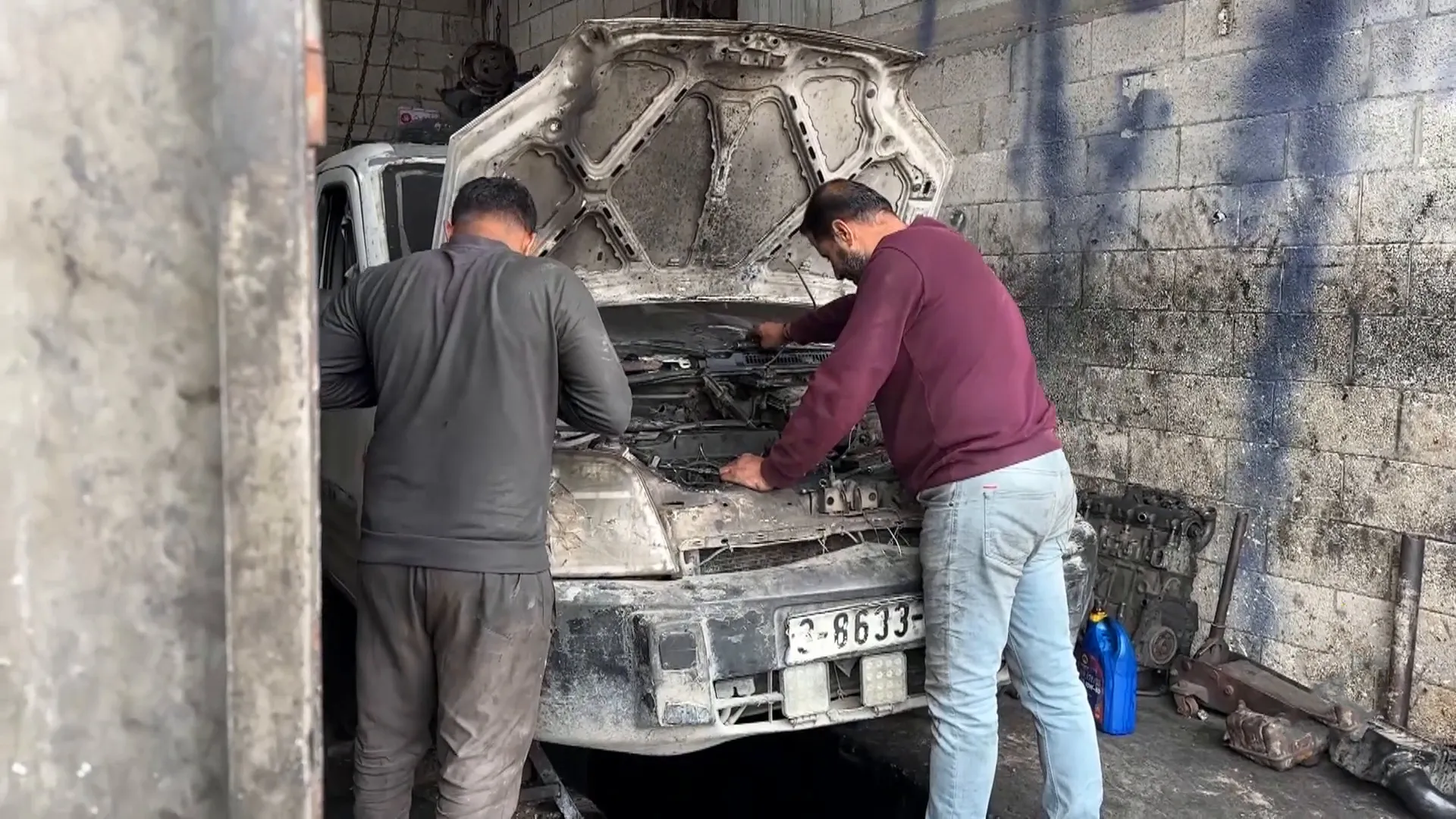
The humanitarian crises in the Gaza Strip are escalating as residents face new challenges that threaten the remaining elements of basic life. New restrictions have been announced on the import of industrial oils and spare parts for generators and vehicles, signaling a potential halt to vital services in the region.
These restrictions come at a time when the sector is suffering from worsening crises, including a severe shortage of essential materials, further increasing the suffering of residents living under ongoing siege. These restrictions have directly impacted vital sectors such as transportation, health, and water, placing them at risk of collapse.
Details of the Event
Reports indicate that the new restrictions were imposed without prior warning, leading to chaos in local markets. With the unavailability of the necessary industrial oils to operate vehicles and generators, citizens are facing significant difficulties in mobility and providing essential services. Additionally, the shortage of spare parts negatively affects hospitals and health centers' ability to deliver necessary care to patients.
These restrictions are considered part of a broader policy aimed at tightening the noose around the sector, which increases the suffering of the population and affects their daily lives. Many citizens have expressed concern about the implications of these restrictions on their future, especially given the difficult economic conditions they are experiencing.
Background & Context
The Gaza Strip has suffered from a suffocating blockade for many years, leading to a deterioration of humanitarian and economic conditions. The region has witnessed several rounds of military escalation, resulting in the destruction of infrastructure and an increase in the number of displaced persons. In this context, the new restrictions come as an additional link in the chain of crises that the residents are enduring.
Historically, Gaza has faced a severe shortage of resources, but the current situation is the worst ever. The blockade has led to a significant decline in living standards, with over 80% of the population living below the poverty line, making them heavily reliant on humanitarian aid.
Impact & Consequences
The repercussions of the new restrictions extend beyond economic dimensions, directly affecting the daily lives of the residents. With the decline in transportation and health services, citizens are struggling to access health centers or obtain necessary medications. Moreover, the lack of clean water threatens public health, increasing the risk of disease outbreaks.
Furthermore, these restrictions may exacerbate social conditions, as unemployment and poverty rates rise. With increasing economic pressures, protests and demonstrations in the streets are expected to escalate, potentially leading to further turmoil.
Regional Significance
The situation in Gaza serves as an indicator of the humanitarian crises faced by many regions in the Arab world. With increasing economic and political pressures, many countries are confronting similar challenges, necessitating a collective effort from Arab and international communities to alleviate the suffering of the population.
The crises in Gaza highlight the urgent need for radical solutions, as the suffering of the residents cannot be ignored under the current circumstances. There must be an immediate response from the international community to ensure the provision of basic needs for the population and to work towards improving humanitarian conditions in the region.
In conclusion, the situation in Gaza remains a vivid example of humanitarian suffering that requires urgent international attention. As restrictions continue, hope for improving conditions remains elusive, necessitating effective action from all concerned parties.