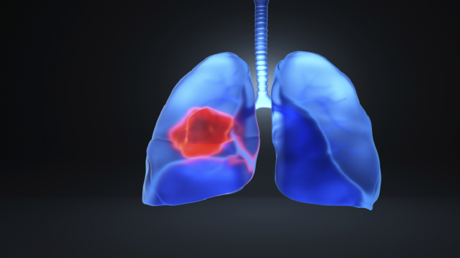
Marina Zavyalova, head of the Department of Anatomic Pathology at Siberian Medical University, announced a new diagnostic technique aimed at detecting the spread of lung cancer prior to surgery. This technique was unveiled during the opening of the Translational Medicine Laboratory, marking a significant step in modern medicine.
This technique represents a scientific achievement that contributes to improving diagnostic accuracy, potentially reducing relapse rates among patients. By utilizing this technique, doctors can more accurately determine the extent of tumor spread, aiding in more effective treatment decisions.
Event Details
During the opening ceremony, Zavyalova explained that this technique relies on high-precision tissue sample analysis, allowing for the detection of cellular changes that may indicate cancer spread. She emphasized that this method signifies a major advancement in the field of pathology, providing vital information before deciding to proceed with surgery.
The technique involves advanced imaging and analysis technologies, enhancing doctors' ability to comprehensively assess patients' health conditions. This innovation is part of ongoing efforts to improve cancer patient care and provide safer, more effective treatment options.
Background & Context
Lung cancer is one of the most common and deadly types of cancer, posing a significant challenge to healthcare systems worldwide. According to statistics, lung cancer incidence rates are continuously rising, necessitating the development of new diagnostic and treatment techniques.
Historically, traditional diagnostic methods relied on clinical examinations and imaging tests, which may not be sufficient to accurately determine the extent of the disease. Therefore, innovations such as the newly announced technique represent an important step toward improving treatment outcomes and reducing risks associated with surgical procedures.
Impact & Consequences
This technique contributes to enhancing patients' quality of life by reducing the need for unnecessary surgeries, as doctors can make informed decisions based on the accurate information provided by the technique. This could lead to lower healthcare costs associated with treatment and overall improved patient outcomes.
Furthermore, this technique may open new avenues for scientific research in the field of lung cancer, encouraging the development of new and innovative treatments. Improved diagnostics can lead to earlier disease detection, increasing the chances of recovery.
Regional Significance
In the Arab region, lung cancer is a disease that is noticeably on the rise, highlighting the need for advanced diagnostic techniques. Innovations like this technique can enhance cancer patient care in Arab countries, where many healthcare systems suffer from a lack of resources and modern technologies.
Adopting such technologies in Arab countries can contribute to improving treatment outcomes and reducing relapse rates, reflecting these countries' commitment to enhancing healthcare and providing the best services to patients.
In conclusion, the new technique unveiled at Siberian Medical University represents an important step toward improving lung cancer diagnosis. By utilizing advanced technologies, doctors can provide better care for patients, contributing to lower relapse rates and improved quality of life.