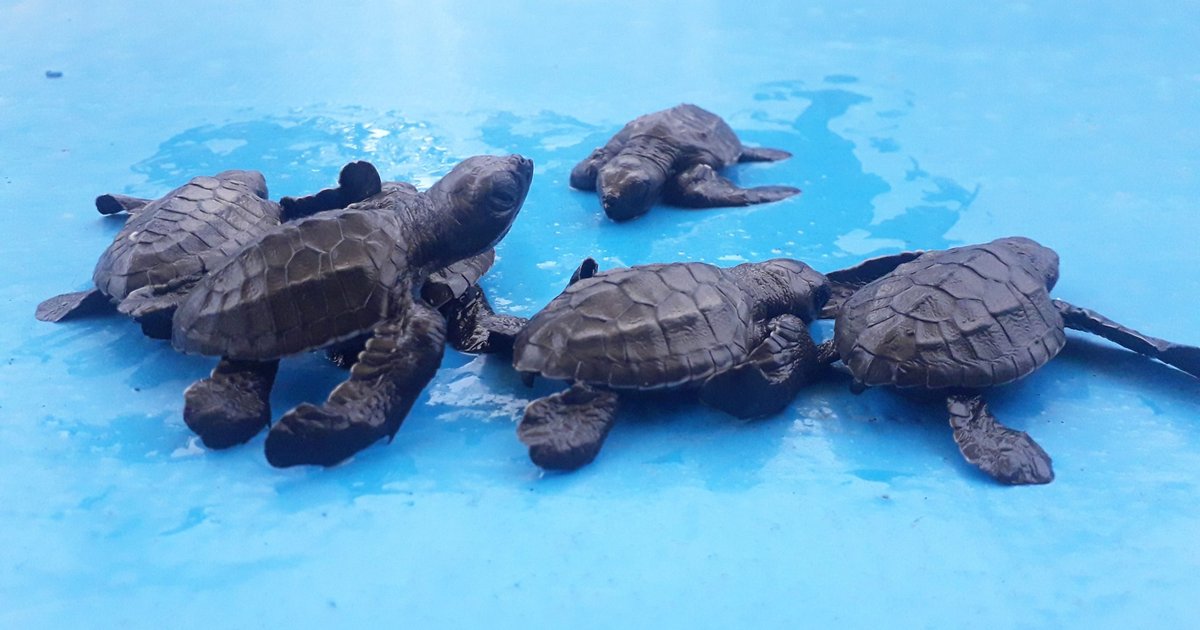
The Indonesian Ministry of Marine Affairs and Fisheries (KKP) has unveiled its new strategy for managing sea turtles on Belitung Island, supporting the region's sustainability as a UNESCO-recognized Global Geopark. This announcement was made during a press conference in Tanjung Pandan, where officials emphasized the importance of this strategy in fostering collaboration among various institutions to protect biodiversity.
Sarmento Hadi, the Director of Species and Genetics Management at the ministry, explained that Belitung is home to two of the seven sea turtle species found worldwide. He noted that the global status of these turtles is considered threatened, with many species classified as vulnerable or endangered. In Indonesia, all species of turtles are protected under national laws.
Details of the Strategy
The Ministry of Marine Affairs and Fisheries aims to achieve the concept of "conservation for welfare," emphasizing that the protection of marine creatures should not hinder local economies. Hadi clarified that commercial exploitation of protected species is prohibited; however, economic opportunities can be realized through eco-tourism, provided it is managed according to applicable laws.
Hadi also warned that improper management of turtles could diminish the perceived value of conservation efforts in the eyes of international tourists. He affirmed that good management could significantly enhance the value of the Global Geopark in Belitung, thereby boosting its tourism profile.
Background & Context
Belitung is recognized as one of Indonesia's key tourist destinations and has been designated a Global Geopark by UNESCO due to its unique biodiversity. The region faces significant challenges in maintaining its marine environment, as sea turtles are threatened by overfishing and habitat destruction. This strategy comes at a critical time as Belitung prepares to reassess its status as a Global Geopark in the coming months. This evaluation necessitates concrete actions to preserve the marine environment, requiring cooperation between the local government and civil society.
Impact & Consequences
This strategy is seen as a positive step towards enhancing global efforts to protect sea turtles, reflecting Indonesia's commitment to preserving biodiversity. These efforts are expected to improve Belitung's image as an eco-tourism destination, potentially attracting more international visitors. Furthermore, this strategy could contribute to improving the economic conditions of local communities by promoting eco-tourism, providing them with new job opportunities and enhancing their living standards.
Regional Significance
The implementation of this strategy is crucial for the protection of biodiversity and the promotion of sustainable tourism in Indonesia. It signifies a proactive approach to environmental conservation while balancing economic development. By fostering eco-tourism, Belitung can not only protect its natural resources but also create a sustainable economic model that benefits both the environment and local communities.
In conclusion, the new strategy for turtle protection in Belitung Island is a vital initiative that underscores Indonesia's dedication to biodiversity conservation and sustainable tourism practices. It sets a precedent for other regions facing similar challenges, highlighting the importance of integrated approaches to environmental management.