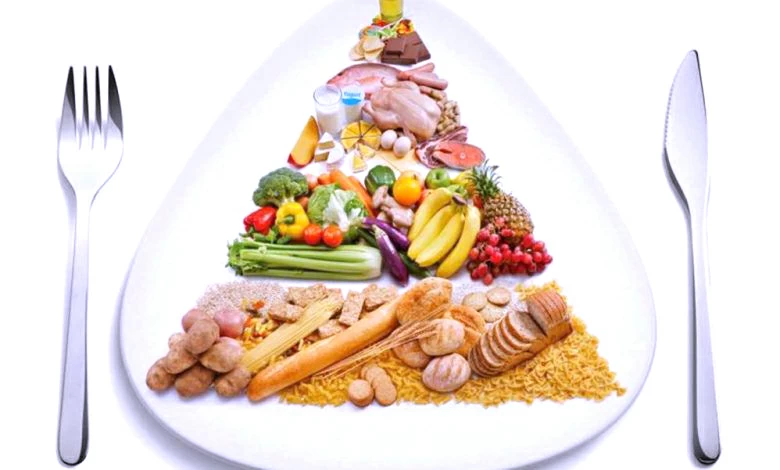
Recent studies in the field of nutrition science, including reviews published in The Lancet, have shown that much of the globally circulated nutritional information may be based on incomplete evidence or oversimplified interpretations. These studies have raised fundamental questions about the accuracy of common dietary recommendations, particularly regarding fats, carbohydrates, and dietary patterns.
Reports indicate that conflicting study results, the influence of commercial interests, and excessive generalization have contributed to a distorted understanding among the public. This situation calls for a comprehensive reevaluation of established dietary standards, as experts believe that the current approach leans towards more personalized recommendations that consider individual and environmental differences, rather than relying on standardized models.
Event Details
Concerns are growing that the nutritional information being circulated may not accurately reflect scientific reality. Studies have shown that some recommendations, such as reducing fats in general or consuming carbohydrates in specific amounts, may be based on an incomplete understanding. These findings underscore the necessity of reviewing the foundations upon which these recommendations are based, including individual differences in nutritional needs.
Moreover, the influence of commercial interests on nutritional research may play a significant role in shaping this information. Some studies have shown that food-producing companies may fund research that supports their products, leading to misleading the public about the true benefits of certain foods.
Background & Context
Over the decades, nutritional concepts have evolved significantly. In the 1970s and 1980s, recommendations heavily focused on reducing fats, while in the last two decades, the emphasis has shifted towards carbohydrates and sugars. These shifts in dietary trends reflect changes in research and studies, but they also mirror commercial pressures and advertisements that affect public understanding.
In the Arab context, concerns have increased regarding the spread of inaccurate nutritional information, especially with the growing reliance on social media as a source of information. This situation requires individuals to be more aware and cautious in selecting the information they rely on.
Impact & Consequences
The implications of these studies could be significant for public health. If inaccurate nutritional information continues to spread, it could lead to unhealthy eating habits, thereby increasing rates of obesity and chronic diseases such as diabetes and heart disease. Therefore, it is crucial to enhance awareness about the importance of verifying sources and nutritional information.
Additionally, the shift towards more personalized dietary recommendations could contribute to improving individual health. By understanding individual and environmental differences, dietary systems can be developed that better meet people's needs, thereby enhancing quality of life and public health.
Regional Significance
In the Arab region, where dietary habits and cultures vary, it may be necessary to develop dietary strategies that align with local specificities. These studies could help guide health policies towards providing more accurate and contextually appropriate nutritional guidelines.
In conclusion, reevaluating the circulated nutritional information is vital to ensure the health of individuals and communities. There must be collaboration between researchers, health authorities, and the community to ensure the provision of accurate and reliable information.