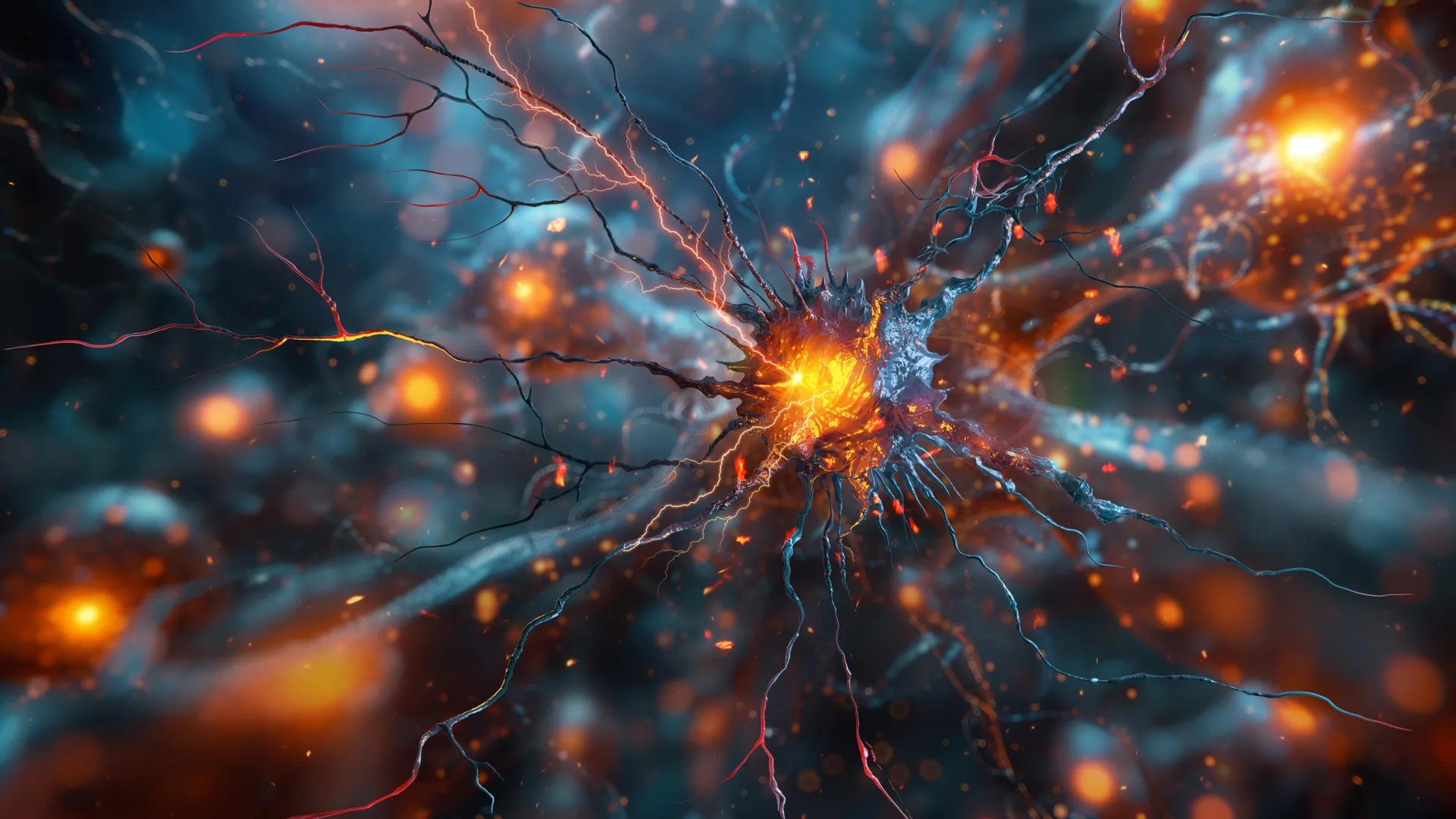
A recent study conducted by a team of researchers at Columbia University has uncovered a daily rhythm of immunity in the brain, highlighting how the immune system organizes its response during different times of the day. These findings could have significant implications for our understanding of diseases and how to treat them.
The study shows that immune cells in the brain react differently at various times of the day, indicating that the timing of treatments may have a substantial impact on their effectiveness. This discovery opens the door to new research aimed at improving treatment strategies.
Details of the Study
The researchers conducted experiments on animal models, monitoring the activity of immune cells in the brain over a 24-hour period. The results revealed an increase in the activity of these cells at specific times, reflecting a biological rhythm that could influence how the body responds to diseases.
This study emphasizes the importance of understanding the daily rhythm of the immune system, as it could aid in developing personalized treatments that align with immune activity timing. Furthermore, this knowledge could enhance the effectiveness of vaccines and other therapies.
Background & Context
Research on the immune system is a vital area in medical sciences, aiming to understand how this complex system operates. In recent years, there has been a surge in studies focusing on the relationship between biological rhythms and overall health, leading to new discoveries about how the biological clock affects various body functions.
Evidence is mounting that the daily rhythm can influence a variety of biological processes, including sleep, metabolism, and immune response. This study aligns with the growing trend to understand how these systems interact with one another.
Impact & Consequences
These discoveries could lead to significant changes in how medical treatments are developed. If these results are confirmed in future studies, doctors may be able to tailor treatments based on the timing of immune activity, thereby increasing treatment effectiveness and reducing side effects.
Moreover, these findings could influence the management of chronic diseases, such as diabetes and heart disease, where the timing of treatment could have a major impact on patient health outcomes.
Regional Significance
In the Arab region, where rates of chronic diseases are rising, these discoveries could have a profound impact on healthcare strategies. If this knowledge is applied in developing treatments, it could help improve the quality of life for many patients.
Additionally, enhancing research in this field could lead to the development of new health programs focused on prevention and early treatment, thereby reducing the health burden on healthcare systems in Arab countries.
Understanding the daily rhythm of immunity in the brain represents an important step towards improving treatment and prevention strategies for diseases. This study opens new avenues for research into how to enhance public health by leveraging knowledge about biological rhythms.