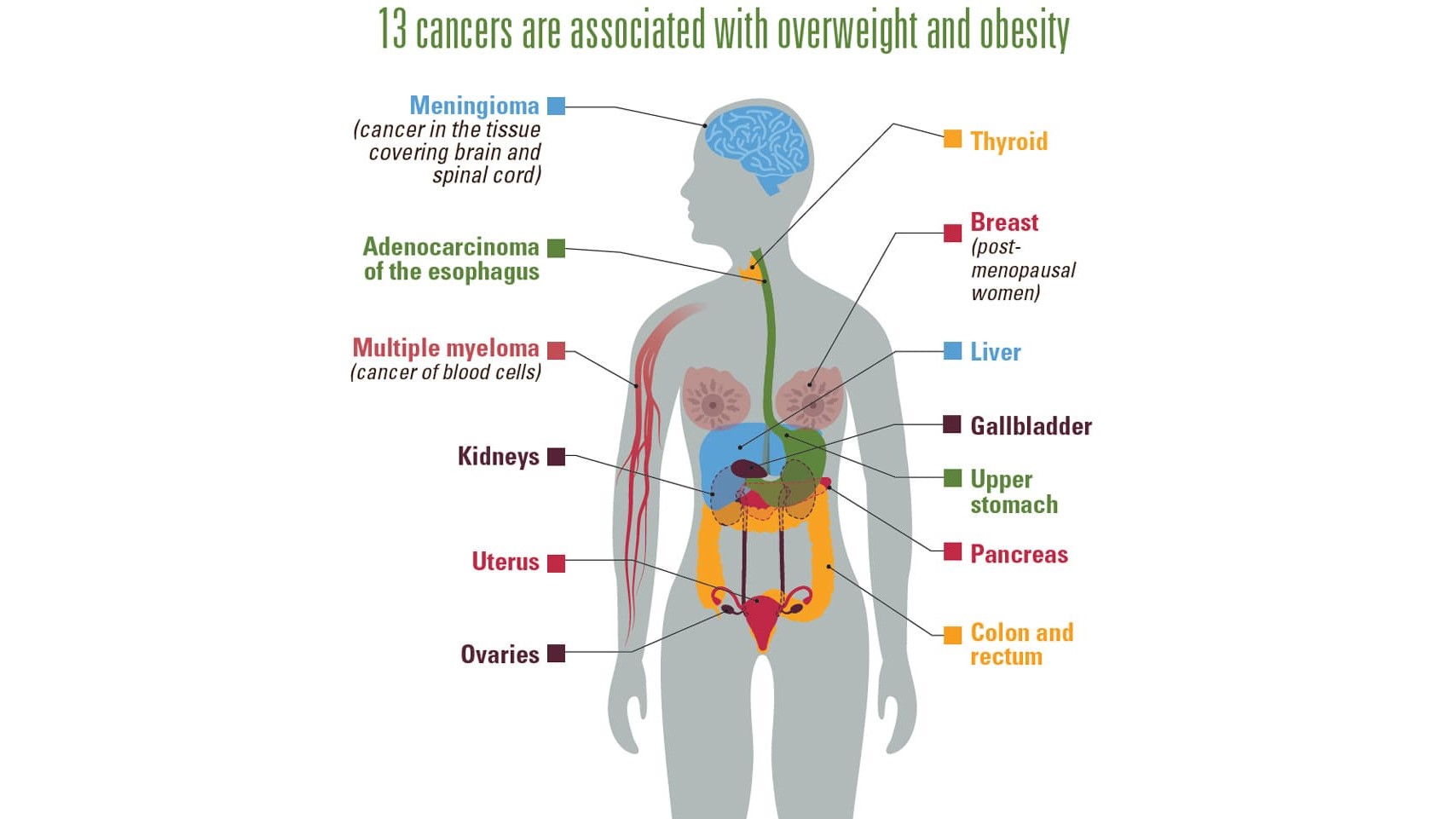
A recent study has uncovered a strong correlation between obesity and an increased risk of various types of cancer, highlighting the importance of addressing this global health issue. The findings indicate that individuals with obesity are more susceptible to cancers such as breast and colon cancer.
Obesity is a growing health concern worldwide, with estimates suggesting that over 1.9 billion adults are overweight, of which approximately 650 million suffer from obesity. Therefore, understanding the relationship between obesity and cancer is crucial for developing effective prevention and treatment strategies.
Study Details
The study involved a large group of participants, with their health data analyzed over several years. The results showed that obesity is not only a risk factor for cancer but also adversely affects treatment outcomes, as obese patients experience worse results compared to their normal-weight counterparts.
The study also indicated that obesity leads to changes in hormones and inflammation, which may contribute to tumor development. Researchers emphasized the need to raise awareness about the risks associated with obesity and the necessity of taking effective steps to curb its prevalence.
Background & Context
Obesity is a health issue that requires global attention, as it contributes to rising rates of chronic diseases such as diabetes and heart disease. This study is part of ongoing efforts to understand the links between lifestyle and public health.
In recent years, there has been a focus on the importance of proper nutrition and physical activity as means to prevent obesity. Previous research has also shown that dietary changes can significantly impact individuals' health, reinforcing the need for health awareness and education.
Impact & Consequences
The results of this study serve as a call to health authorities and governments to adopt policies aimed at combating obesity. By promoting health awareness programs and providing healthy food options, obesity rates can be reduced, thereby decreasing the risk of cancer.
These findings may also influence future research, opening avenues for new studies aimed at understanding the relationship between obesity and other types of diseases, contributing to improved treatment and prevention strategies.
Regional Significance
Arab countries are facing increasing challenges in combating obesity, with studies indicating that obesity rates in the region are on the rise. Thus, the results of this study may hold particular significance for Arab nations struggling with high obesity rates.
Health awareness and education are essential tools in addressing this issue, as they can help change dietary habits and promote physical activity among populations. Furthermore, collaboration between governments and civil society can have a significant impact on improving public health.
In conclusion, this study highlights the importance of addressing the phenomenon of obesity as part of efforts to reduce chronic diseases, including cancer. It is crucial for communities to adopt effective prevention and treatment strategies to ensure better health for future generations.