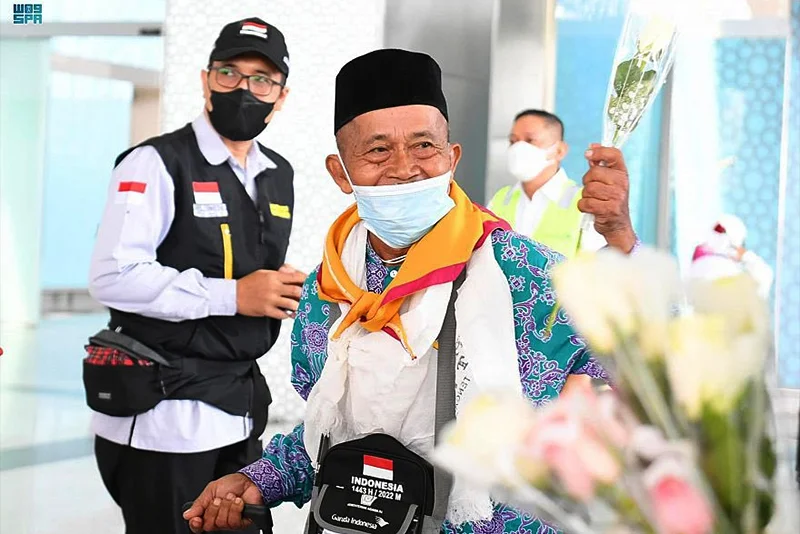
Indonesian Minister of Hajj and Umrah, Mukhamad Irfan Yusuf, announced that approximately 50% of Indonesian pilgrims will participate in a new traffic system designed to reduce congestion during the Hajj season. This step is part of the Indonesian government's efforts to improve the Hajj experience and provide a safe environment for pilgrims.
According to the minister's statements, the traffic system will include 100,930 pilgrims, which is equivalent to half of the quota allocated for Indonesian pilgrims. This system will allow pilgrims to move from Arafat to Mina via Muzdalifah without the need to disembark from buses, thereby helping to alleviate congestion at critical points.
Details of the Traffic System
The traffic system is considered part of the Indonesian government's strategy to address challenges related to high traffic density in holy sites, especially in Muzdalifah, which is a vital point requiring special management to avoid risks. Minister Irfan emphasized that this system represents facilitation for pilgrims and reflects the government's commitment to ensuring their safety.
In addition to the traffic system, a downloading program in Mina has been announced, allowing pilgrims to avoid staying in Mina tents and return to their hotels in Mecca. It is expected that 76,412 pilgrims from 196 groups will benefit from this program, contributing to reducing pressure on the camps.
Background & Context
Historically, the Hajj season in previous years has faced significant challenges related to congestion, impacting the safety of pilgrims. With the continuous increase in the number of pilgrims, the Indonesian government is striving to develop new systems to improve traffic management and provide a safe environment.
This approach comes at a time when Saudi Arabia is witnessing ongoing efforts to enhance Hajj services, including improving infrastructure and providing modern transportation means. The implementation of the traffic system reflects the Indonesian government's commitment to cooperating with Saudi authorities to ensure the safety of pilgrims.
Impact & Consequences
The traffic system is expected to contribute to reducing congestion, thereby enhancing the overall Hajj experience. This system may also serve as a model for other countries seeking to improve crowd management during Hajj seasons.
Moreover, the implementation of programs like the downloading in Mina may encourage more pilgrims to participate in Hajj, as it provides them with more comfortable and safer options. This could lead to an increase in the number of pilgrims in the coming years.
Regional Significance
These steps are part of regional efforts to improve the Hajj experience, enhancing Saudi Arabia's status as a major destination for Hajj. Additionally, the cooperation between Indonesia and Saudi Arabia in this area demonstrates the importance of joint efforts in addressing shared challenges.
In conclusion, the traffic system is a positive step towards improving the Hajj experience, reflecting the commitment of both the Indonesian and Saudi governments to provide a safe and comfortable environment for pilgrims.