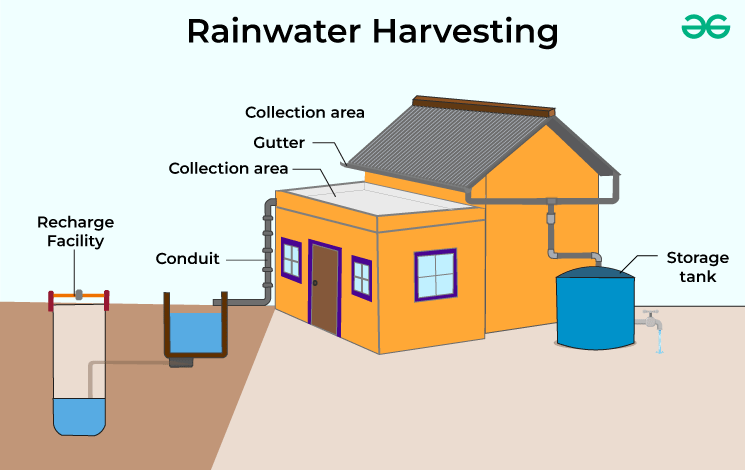
The Jordanian Minister of Agriculture announced during a press conference the launch of a new water harvesting plan that includes 40 sites across various regions of the kingdom. This step is part of the Jordanian government's efforts to address the escalating water challenges and achieve sustainability of water resources in the country.
The plan aims to improve water management and enhance the country's capacity to cope with drought periods, which have become more frequent due to climate change. Additionally, the government seeks to increase water use efficiency in agriculture, contributing to food security enhancement.
Details of the Initiative
The water harvesting plan announced by the minister includes the construction of several dams and water reservoirs in the targeted areas. The plan will also involve improving water infrastructure and developing new technologies for collecting and storing water. The minister confirmed that these projects will contribute to increasing the water stock in the country, which will help meet the needs of agriculture and drinking water.
The minister also highlighted the importance of cooperation with local and international entities to achieve the goals of this plan. He assured that the government would work on securing the necessary funding to implement water projects, including partnerships with the private sector.
Background & Context
Jordan faces significant challenges in the water sector, being one of the driest countries in the world. The Jordanian economy heavily relies on agriculture, which requires large amounts of water. With the increasing demand for water due to population growth and climate change, the need for effective water management strategies has become more urgent.
Historically, Jordan has seen several water harvesting projects, but they have not been sufficient to address current challenges. Therefore, this new plan represents an important step towards improving the water situation in the country and ensuring the sustainability of water resources for future generations.
Impact & Consequences
The water harvesting plan is expected to contribute to improving agricultural production and increasing farmers' income. It will also help reduce reliance on groundwater, thus preserving these valuable resources. Furthermore, enhanced water management will aid in bolstering food security in Jordan, which heavily depends on agriculture as a primary food source.
This plan is also a positive step towards achieving sustainable development goals, as the government aims to improve citizens' quality of life by providing adequate water resources. The success of this plan may encourage other countries in the region to adopt similar strategies to address water challenges.
Regional Significance
The issue of water is a vital concern in the Arab region, where many countries face similar challenges. Jordan's water harvesting plan may inspire other countries in the region to develop effective water management strategies, especially in light of climate change affecting water resources.
Regional cooperation in water management could significantly impact food security and economic stability in the area. Therefore, the success of the water harvesting plan in Jordan could serve as a model for other countries suffering from water scarcity.
In conclusion, the new water harvesting plan represents an important step towards improving water management in Jordan and meeting the needs of agriculture and drinking water. Successfully implementing this plan could contribute to achieving sustainable development and enhancing food security in the country.