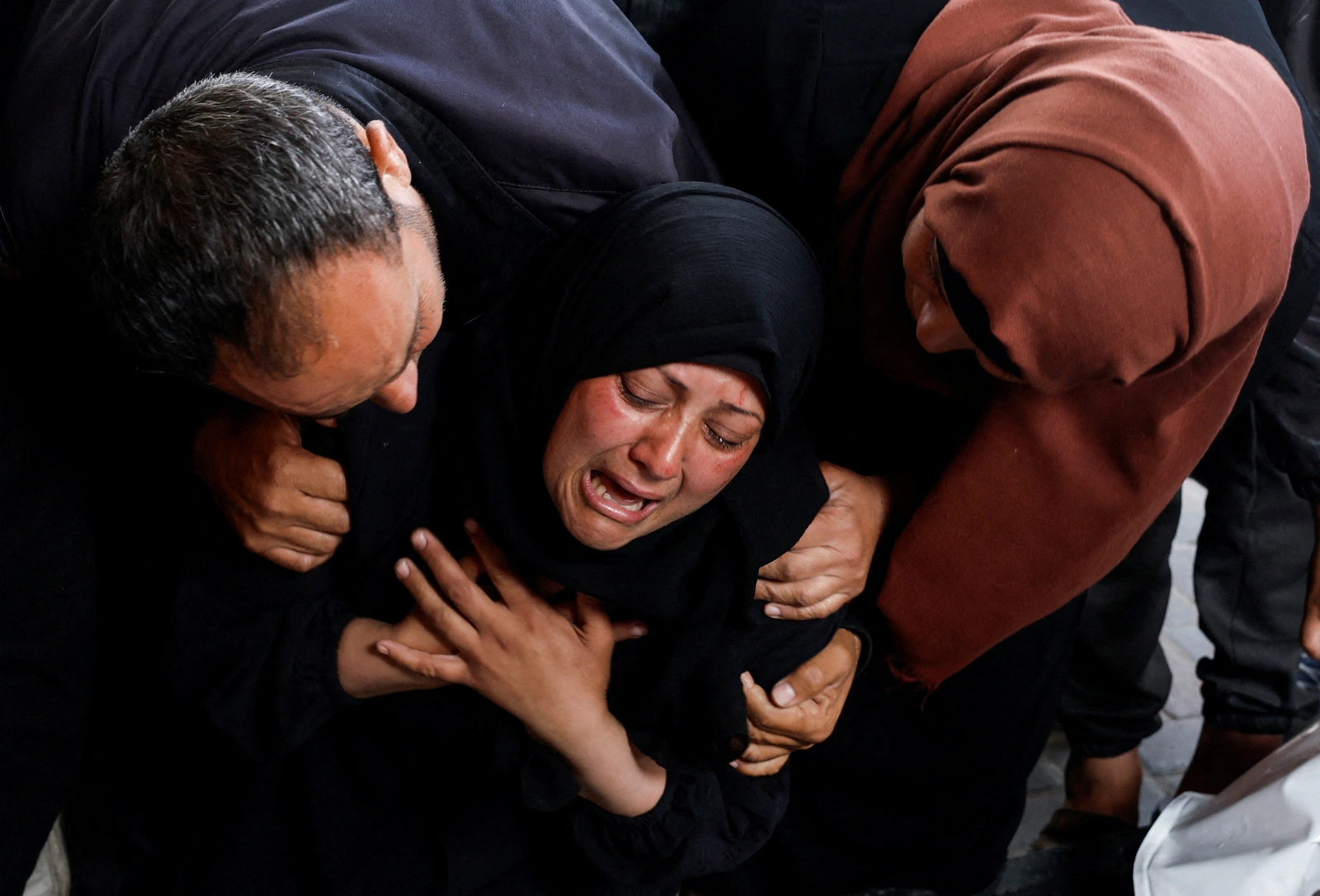
The Director-General of the World Health Organization, Tedros Adhanom Ghebreyesus, reported that nine paramedics were killed and seven others injured in a series of attacks targeting healthcare facilities in southern Lebanon. The attacks took place in five separate villages, reflecting the rising violence in the area.
Ghebreyesus, who announced the news via social media, confirmed that these attacks come at a critical time as the region suffers from deteriorating humanitarian conditions. He noted that medical teams were working under difficult circumstances to provide necessary care to civilians affected by the conflict.
Details of the Incident
The attacks on the paramedics occurred in five different villages in southern Lebanon, where medical teams faced direct assaults while performing their humanitarian duties. These incidents highlight the increasing risks faced by medical teams in conflict zones, where working in healthcare has become fraught with danger.
Ghebreyesus also pointed out that the recurrence of these attacks constitutes a blatant violation of international humanitarian laws, which protect medical personnel. He called on the international community to take urgent action to protect these heroes who risk their lives to save others.
Background & Context
Southern Lebanon has witnessed an escalation of conflict in recent years, where political and military dimensions intertwine with humanitarian conditions. The region is suffering from multiple crises, including an influx of refugees from Syria, which increases pressure on the local healthcare system.
In this context, medical teams are considered the first line of defense in facing humanitarian crises, providing care to affected civilians. However, the increasing attacks on these teams reflect a deterioration in security conditions and complicate relief efforts.
Impact & Consequences
The repercussions of these attacks will be severe on Lebanon's healthcare system, as they will reduce the capacity of medical teams to provide necessary care. Additionally, the loss of paramedics will impact the morale of healthcare workers, potentially leading to their withdrawal from conflict areas.
Moreover, the recurrence of attacks may exacerbate humanitarian conditions in the region, leaving civilians without medical care when they need it most. This situation requires an urgent response from the international community to protect healthcare workers and ensure the continuity of medical services.
Regional Significance
This incident highlights the challenges faced by medical teams in conflict zones across the Arab world. As armed conflicts increase, healthcare workers become easy targets, threatening the lives of many and increasing civilian suffering.
This situation also reflects the urgent need for greater protection for humanitarian workers and ensuring respect for international laws that safeguard them. The deterioration of health conditions in Lebanon could have negative repercussions on neighboring countries, potentially leading to an influx of more refugees and pressure on the healthcare systems in those nations.
In conclusion, the international community must act swiftly to protect medical teams and ensure that such attacks do not recur, as the lives of many depend on the efforts of these heroes who work under difficult conditions to save lives.