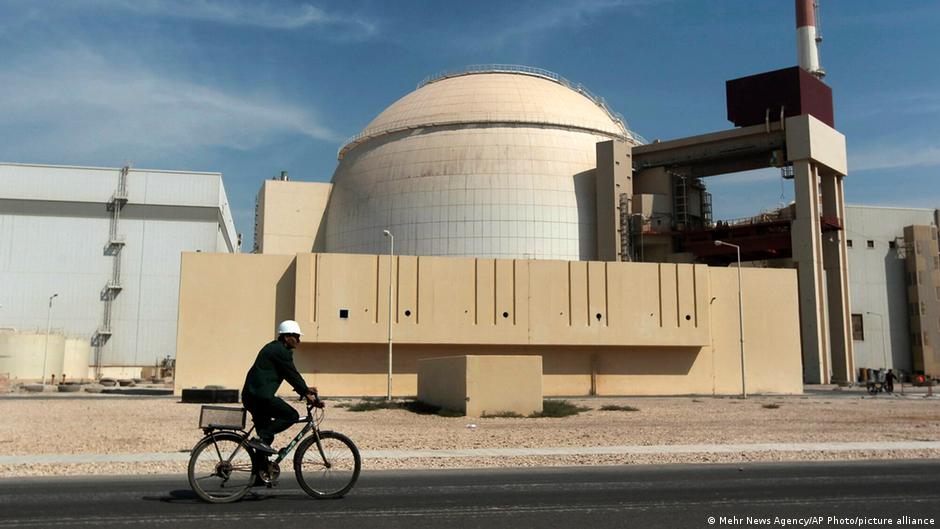
Concerns about the nuclear threat in the Middle East are escalating, especially after the ongoing conflict in Iran that began last February. The mutual attacks on nuclear sites in Iran and Israel have demonstrated that the security situation in the region may be heading towards further complexity, raising questions about whether countries like Saudi Arabia and Turkey will seek to develop their own nuclear programs.
In light of these circumstances, former U.S. President Donald Trump announced that the war on Iran aims to prevent it from acquiring nuclear weapons. However, experts believe that this strategy could backfire, potentially pushing other countries in the region to consider developing nuclear weapons as a means of ensuring their security.
Details of the Situation
Possessing nuclear weapons is considered a deterrent, as it is believed to prevent enemies from taking any hostile actions. Some observers have pointed to the case of North Korea, which developed nuclear weapons, making its regime insulated against external interventions. In contrast, the situation in Ukraine shows that relinquishing nuclear weapons can lead to a loss of security, as Ukraine had given up its nuclear arsenal in 1994 in exchange for security guarantees from Russia, the United States, and Britain, making it vulnerable to Russian occupation.
In this context, some Iranian politicians have indicated the possibility of their country withdrawing from the Nuclear Non-Proliferation Treaty, which increases concerns about the future of nuclear security in the region. Kelsey Davenport, Director of Nonproliferation Policy at the Arms Control Association, confirmed that several factors could drive Gulf countries towards seeking nuclear weapons.
Background & Context
Historically, Iran has been considered in a state of "latent nuclear capability," possessing all the necessary tools to develop a nuclear weapon without actually doing so. Iran has maintained strategic ambiguity to avoid attacks, but the new leadership in Tehran faces difficult calculations. Given the current tensions, Gulf countries, including Saudi Arabia, may move towards developing their own nuclear programs.
Saudi Arabia has already taken steps towards the potential development of nuclear capability, with Crown Prince Mohammed bin Salman stating that if Iran develops a nuclear weapon, Saudi Arabia will need to possess a similar weapon. Following bin Salman’s visit to the United States, reports emerged of a nuclear cooperation agreement that could allow Saudi Arabia to enrich uranium.
Impact & Consequences
Any nuclear cooperation agreement with Saudi Arabia requires approval from the U.S. Congress, raising questions about the feasibility of achieving this under current circumstances. Additionally, the development of nuclear capabilities by Saudi Arabia could take between 10 to 20 years, meaning that circumstances may change before it can achieve this. However, these developments could lead to a nuclear arms race in the region, increasing tensions between countries.
In contrast, the United Arab Emirates is pursuing a peaceful nuclear program, operating a nuclear power plant in Barakah. The UAE has agreed with the United States not to enrich uranium, reflecting its desire to use nuclear energy for peaceful purposes rather than military ones.
Regional Significance
If countries like Saudi Arabia and Turkey decide to develop nuclear programs, it could lead to a radical shift in the balance of power in the region. Other Arab countries, such as Egypt, which is working on building a nuclear reactor in cooperation with Russia, may be affected, but it faces financial difficulties that could hinder its progress in this area. Turkey is also developing its nuclear program with Russia but may prefer to maintain its international relations and avoid escalating towards a nuclear arms race.
In conclusion, the current situation in the Middle East requires effective regional dialogue to curb the proliferation of nuclear weapons. Despite the challenges, dialogue is the best option to prevent countries from deciding to develop nuclear weapons as a means of ensuring their security.