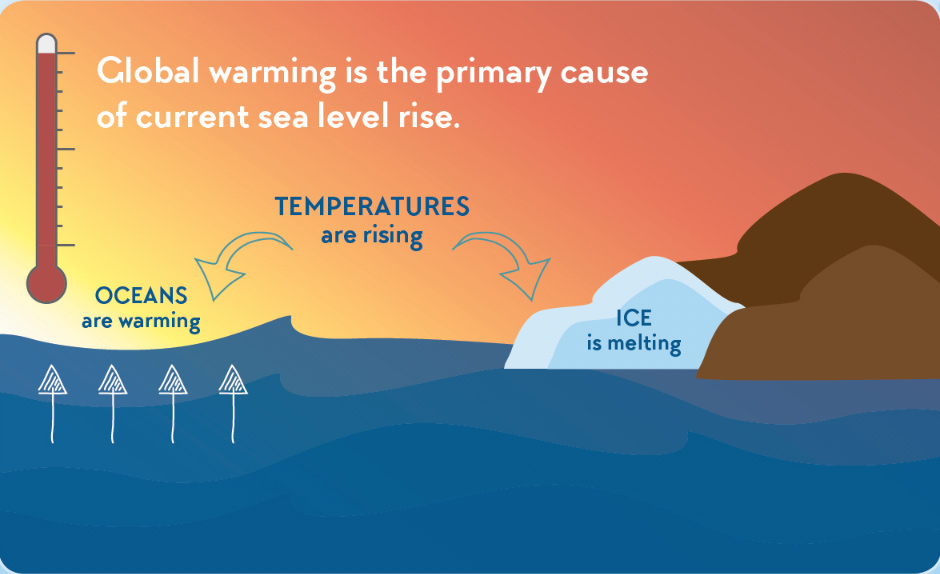
Recent data from the European Copernicus program reveals a significant rise in ocean surface temperatures, which have reached an average exceeding 21 degrees Celsius. This increase reflects a rise of 0.5 degrees Celsius above the average estimated between 1993 and 2022, highlighting the growing environmental challenges facing our planet.
These figures serve as a concerning indicator of the negative impacts of climate change, as rising ocean temperatures can lead to significant changes in marine ecosystems, along with an increase in the frequency and intensity of extreme weather phenomena such as hurricanes and floods.
Event Details
The data shows that oceans have experienced a continuous rise in temperatures in recent years, raising questions about the future of marine life and ecosystems. This unprecedented rise in temperatures comes at a time when the world is facing significant challenges related to climate change, necessitating urgent action to mitigate this phenomenon.
Many marine species are affected by this rise, which can lead to the degradation of marine habitats and changes in species distribution. Additionally, rising ocean temperatures can impact marine food chains, threatening food security for many countries that rely on fishing as a primary food source.
Background & Context
Since the early 1990s, scientific studies have indicated that oceans absorb a significant portion of the heat generated by greenhouse gas emissions. Research has shown that oceans have absorbed approximately 90% of the excess heat resulting from global warming, contributing to rising surface temperatures.
Historically, oceans have played a crucial role in regulating the global climate, but with increasing carbon emissions, these ecosystems are under growing pressure. Previous reports have indicated that rising ocean temperatures could lead to polar ice melt, contributing to rising sea levels.
Impact & Consequences
The rise in ocean temperatures serves as a warning bell, as it can lead to drastic changes in marine ecosystems. These changes are expected to result in the extinction of some marine species, affecting biodiversity and threatening the livelihoods of coastal communities.
Moreover, these phenomena may lead to an increase in the severity of natural disasters, placing additional pressures on governments and local communities to adapt to these changes. A deep understanding of these dynamics is vital for developing effective strategies to mitigate the impacts of climate change.
Regional Significance
Arab countries, especially those located along coastlines, are particularly vulnerable to the impacts of rising ocean temperatures. As temperatures rise, these countries may face risks such as rising sea levels, threatening coastal cities and impacting food security.
Additionally, changes in marine ecosystems may affect fish stocks, placing pressures on communities that rely on fishing as a primary source of income. Therefore, a swift and effective response to these challenges is essential to ensure the sustainability of marine resources and protect coastal communities.