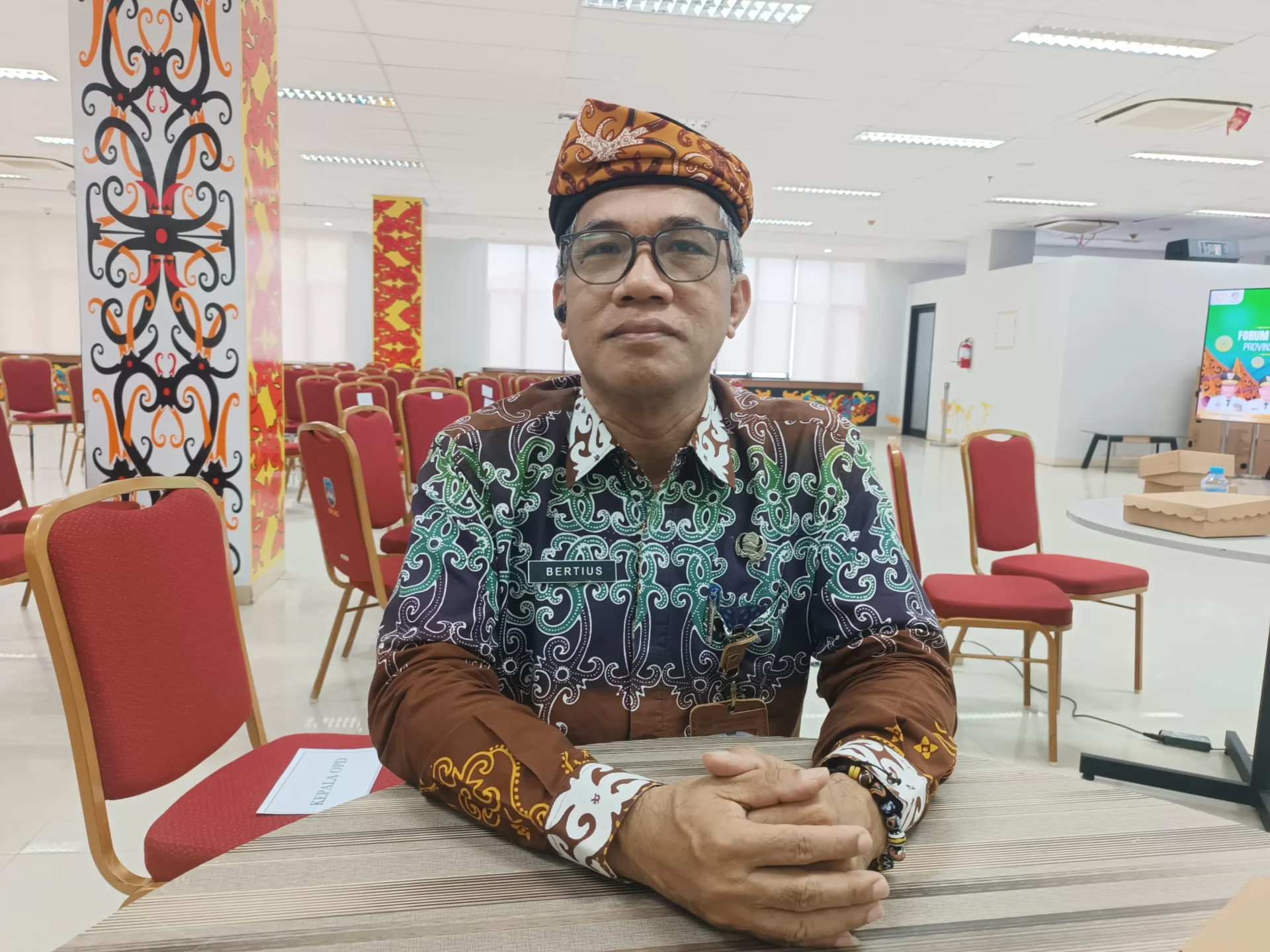
The Governor of Kaltara, Zainal A. Paliwang, announced an anticipated official visit from the Malaysian Sabah government, which is expected to enhance cooperation between the two sides in various fields. This visit comes at a sensitive time, as both governments seek to strengthen bilateral relations and develop economic and social cooperation across borders.
During a morning gathering of government employees in Tanjung Selor, Zainal emphasized the importance of this visit, noting that it represents an opportunity to strengthen ties between local communities in Kaltara and Sabah. He indicated that the local government would warmly welcome its guests, reflecting the hospitality that characterizes the Kaltara region.
Event Details
In his remarks, Zainal urged all government employees to give their best as representatives of the Kaltara community. He stressed the importance of maintaining the region's reputation as a welcoming destination, highlighting that meetings between local governments in border areas can lead to positive outcomes, especially in the realms of economic and social cooperation.
Zainal also emphasized the necessity for employees to exhibit integrity and professionalism in their duties, stating that providing exceptional service to the public should be their top priority. He mentioned that good performance would lead to greater appreciation from the local government, thereby enhancing employees' career advancement opportunities.
Background & Context
Historically, relations between Indonesia and Malaysia have been characterized by both cooperation and competition at times, particularly in border areas. Sabah and Kaltara are regions that witness continuous interactions among local populations, necessitating enhanced cooperation to avoid conflicts and promote sustainable development.
This visit is part of the efforts by both governments to strengthen bilateral relations, as Kaltara represents a strategic point for economic and social development projects. Additionally, enhancing cooperation in areas such as trade and tourism could contribute to improving the living standards on both sides.
Impact & Consequences
This visit is expected to bolster economic relations between Kaltara and Sabah, opening new avenues for cooperation across various fields. It could attract investments and develop joint projects, benefiting local communities.
Moreover, strengthening cooperation between the two governments may contribute to improving security and stability in border areas, reducing tensions and enhancing opportunities for sustainable development in the region.
Regional Significance
Although this event pertains to Indonesian-Malaysian relations, it reflects the importance of regional cooperation in promoting stability and development. Arab countries can benefit from this experience in enhancing their relationships with neighboring nations, as regional cooperation is a key factor in achieving sustainable development.
In conclusion, the visit of the Malaysian Sabah government represents an opportunity to strengthen relations between Indonesia and Malaysia, opening new horizons for cooperation and development in the region. Enhancing cooperation among countries can serve as a model for promoting stability and development in other parts of the world.