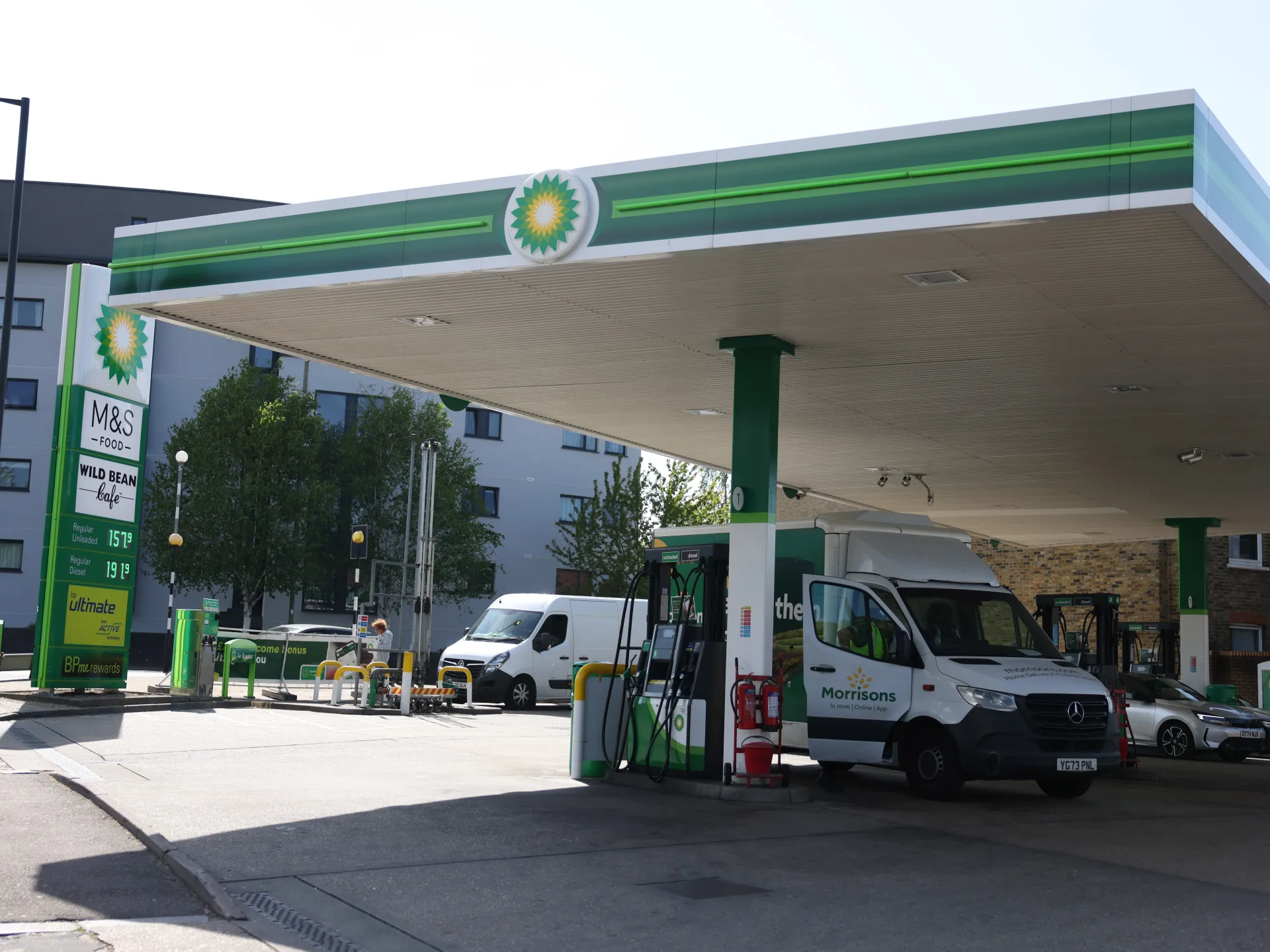
The ongoing crisis of the closure of the Strait of Hormuz continues to affect global energy markets, with oil prices recently declining despite warnings about the repercussions of supply shortages. Experts indicate that this decline is linked to seasonal demand fluctuations, raising concerns about entering a "danger zone" in the coming months.
In this context, Mohammed Ramal, an expert in economics and energy, confirmed that the transit movement in the Strait of Hormuz remains a significant focus, with varying accounts between Iran and Western countries regarding the number of ships that have passed through the strait. While the Iranian navy announced the passage of over 35 vessels in recent hours, international estimates suggest that only about 10 tankers have crossed, raising questions about the accuracy of these figures.
Details of the Event
Ramal reported that some tankers might be using unconventional routes, such as turning off tracking devices, to evade monitoring during transit. He also noted that Japan had received a giant oil tanker that crossed the strait about a month ago, highlighting the importance of these waterways in global trade.
At the same time, the British Navigation Authority recorded a security incident north of Socotra Island in Yemen, where an armed boat attempted to approach one of the commercial vessels, reflecting the security tensions affecting maritime navigation in the region.
Background & Context
Oil prices are considered vital economic indicators, influenced by numerous political and military factors. Amid ongoing tensions between the United States and Iran, analysts expect these conditions to impact price stability. Additionally, the first half of the year typically sees a decline in oil demand, contributing to lower prices.
Bashar Halabi, an oil market analyst, pointed out that markets have become more adaptable to fluctuations following successive crises, from the COVID-19 pandemic to the Russian-Ukrainian war. However, the real danger lies in supply shortages, not in price volatility.
Impact & Consequences
Concerns are growing about markets entering a "danger zone" during July and August, as demand for oil rises for cooling and travel purposes. Halabi indicates that continued supply shortages alongside increased demand could lead to rising prices, placing countries in a difficult position.
Strategic reserves are an important option for affected countries, but this issue carries political dimensions amid increasing debate over how to utilize them. These challenges could heighten risks to economic stability in the region.
Regional Significance
Oil prices directly impact the economies of Arab countries, many of which rely on oil revenues. A decline in prices or supply shortages could lead to slowed economic growth and increased pressure on public budgets.
In conclusion, the situation in the Strait of Hormuz remains a central factor in determining the future of oil markets, as current developments require close monitoring by investors and decision-makers.