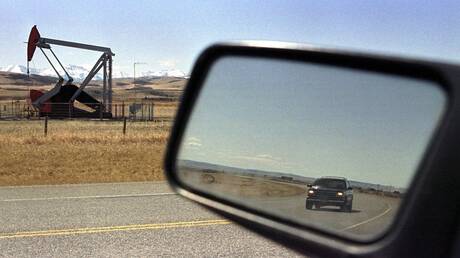
Oil prices fell today, heading towards their largest weekly loss since early April 2026. This decline comes after reports indicate an agreement between Washington and Tehran to extend the ceasefire, but the agreement has not yet been ratified, increasing uncertainty in the market.
Oil prices are significantly influenced by geopolitical factors, with conditions in the Middle East being one of the most impactful elements. As tensions in the region rise, investors are seeking to assess the risks associated with oil supplies.
Details of the Event
Data shows that oil prices have decreased significantly over the past few days, reflecting growing concern among investors. While the market seeks to stabilize prices, news of a potential agreement between the United States and Iran adds further complexity.
Although the agreement could lead to improved conditions, its lack of ratification leaves the door open for price volatility. Markets are closely monitoring any new developments that might affect supplies.
Background & Context
Historically, oil prices have experienced significant fluctuations due to geopolitical events. Since the beginning of the year, several factors have impacted the market, including political and economic crises in oil-producing countries. Agreements between major powers like the United States and Iran play a crucial role in shaping future prices.
In April 2026, oil prices had seen notable increases, but recent events have brought the situation back to nearly square one. The ongoing tensions in the Middle East could exacerbate conditions, negatively impacting prices.
Impact & Consequences
The decline in oil prices has multiple effects on the global economy, as many countries rely on oil revenues. A drop in prices may lead to reduced government budgets in producing nations, affecting development projects and public services.
Furthermore, falling prices could impact companies operating in the energy sector, potentially leading to reduced investments and delays in new projects. At the same time, consumers might benefit from lower prices at gas stations, which could boost consumer spending.
Regional Significance
The Middle East is one of the regions most affected by fluctuations in oil prices. Oil-producing countries like Saudi Arabia, Iraq, and Kuwait heavily depend on oil revenues, and any decline in prices could impact their economic stability.
Under the current circumstances, these countries must take proactive measures to address potential economic challenges. Regional cooperation may also be essential to ensure market stability.
In conclusion, the future of oil prices remains tied to political and economic developments in the region. Investors and analysts must closely monitor events to assess the risks and opportunities available.