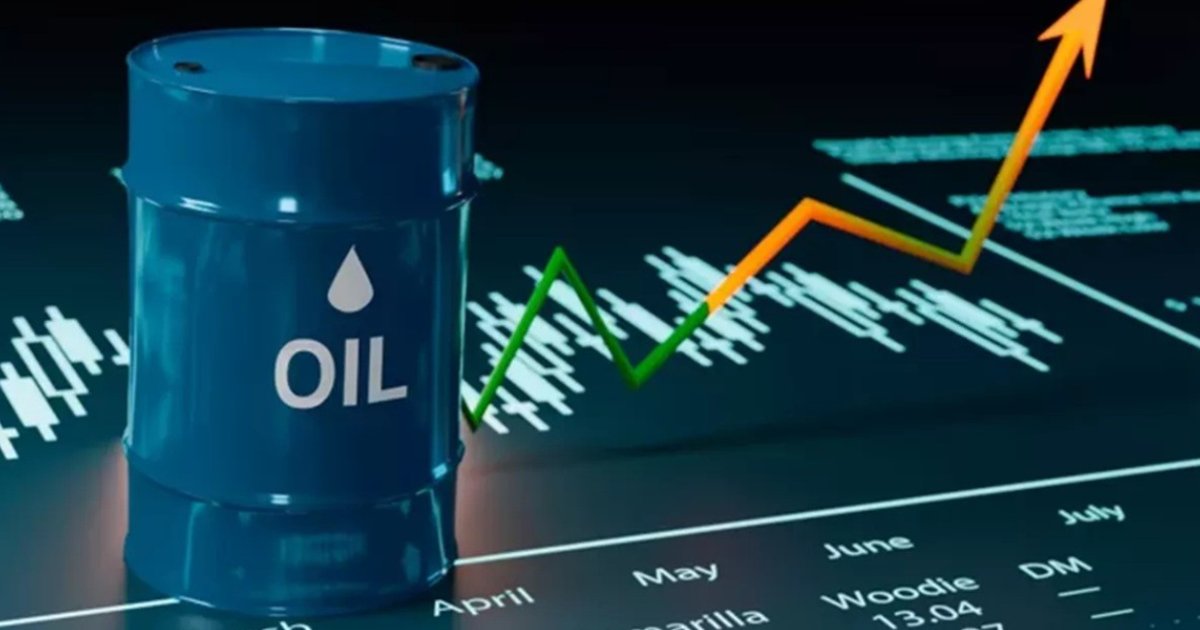
Oil prices maintained their gains during evening trading on Tuesday in Asian markets, with Brent crude exceeding $111 per barrel. This rise is attributed to the ongoing deadlock between the United States and Iran, with no signs of imminent improvement in negotiations between the two sides.
The West Texas Intermediate (WTI), the U.S. benchmark, also saw an increase in the June contract by 4.7%, reaching $100.90 per barrel. Meanwhile, the June contract for Brent, which expires at the end of this month, rose by 3.3% to $111.81 per barrel, according to Bloomberg.
Event Details
In a related development, the United Arab Emirates announced today its decision to withdraw from the Organization of the Petroleum Exporting Countries (OPEC) and OPEC+, effective May 1, 2026. This move has sparked anticipation in the oil market, as the UAE seeks to enhance the flexibility of its policies in the oil sector.
The UAE's Ministry of Energy clarified that this step is part of developing sector policies to enhance responsiveness to market dynamics while continuing to contribute to market stability in a measured and responsible manner.
Background & Context
Oil prices are considered one of the key indicators of the global economy, directly affecting the prices of goods and services. In recent years, oil markets have experienced significant fluctuations due to geopolitical tensions, particularly between the United States and Iran, which is one of the largest oil producers in the world.
It is noteworthy that negotiations between the United States and Iran regarding the nuclear agreement remain stalled, increasing uncertainty in the markets. This deadlock could lead to further fluctuations in oil prices, impacting the global economy.
Impact & Consequences
The rise in oil prices could have multiple effects on the global economy. On one hand, it may lead to increased production and transportation costs, negatively impacting the prices of goods. On the other hand, oil producers could benefit from this increase, boosting their revenues.
Moreover, the UAE's exit from OPEC could alter market dynamics, as other producers might seek to adjust their production policies to face new challenges. This situation could lead to increased competition among oil-producing countries, potentially affecting price stability in the future.
Regional Significance
The Gulf region is among the most affected by fluctuations in oil prices, with many of its economies heavily reliant on oil revenues. Rising prices could provide an opportunity to enhance economic growth in these countries; however, sharp fluctuations could also lead to economic crises.
In light of these circumstances, Arab oil-producing countries must be prepared to adapt to changes in the market, either by diversifying their economies or by strengthening cooperation among OPEC member states and other organizations.
In conclusion, oil prices remain a vital topic that requires close monitoring by investors and decision-makers, as any changes in the market could significantly impact the global economy.