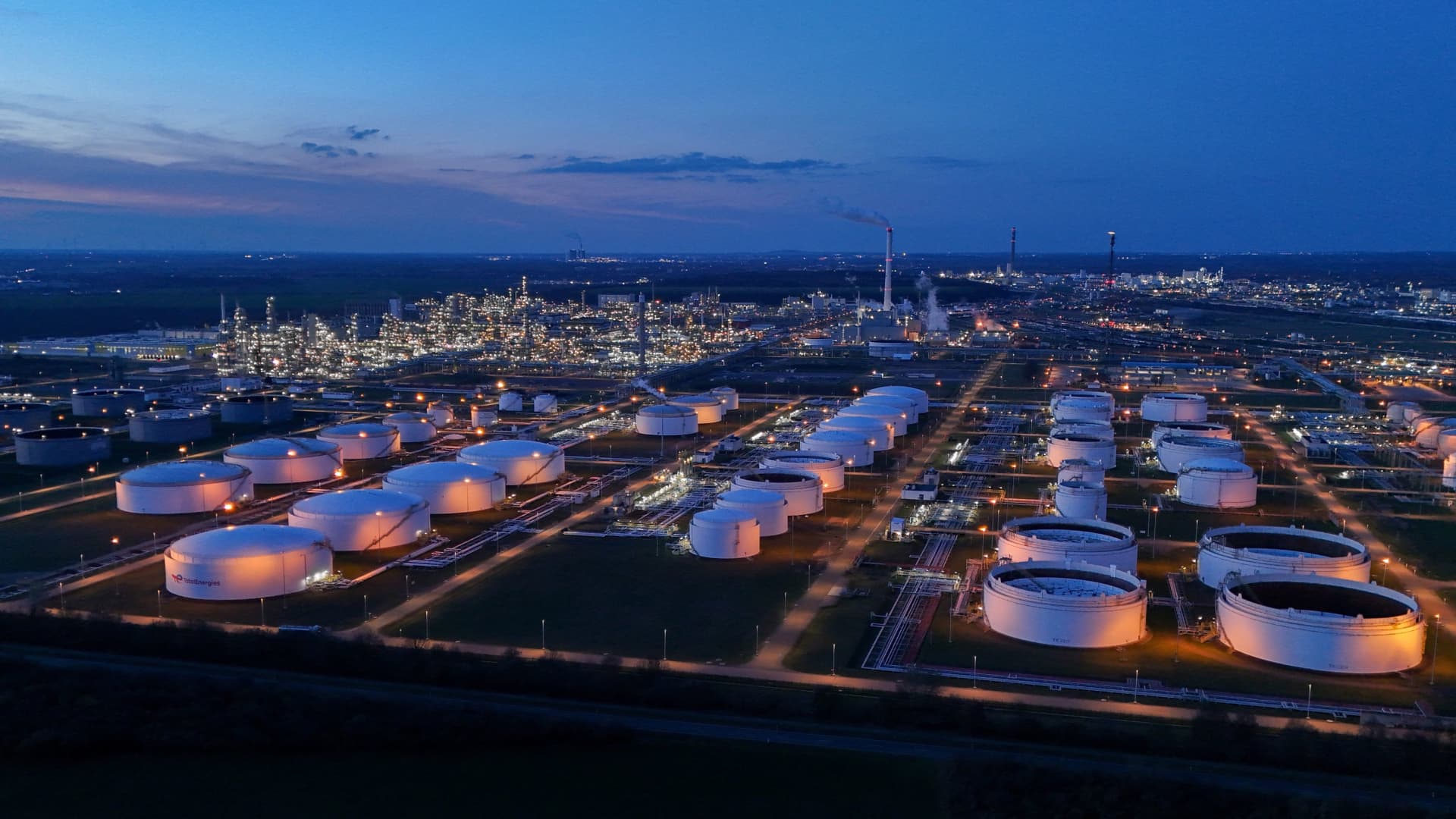
Oil prices rose slightly after U.S. President Donald Trump reiterated his threats to attack Iranian infrastructure, warning that Iran would be destroyed overnight if it does not reopen the Strait of Hormuz by Tuesday evening. May futures for West Texas Intermediate crude rose by 0.93% to reach $113.46 per barrel, while June contracts for Brent crude increased by 0.54% to $110.36 per barrel.
In his statements, Trump emphasized that the United States would destroy Iranian power plants and bridges if Tehran does not reopen the strait by 8 PM Eastern Time. He also noted that the Iranian leadership is negotiating seriously, reflecting the escalating tension in relations between the two countries.
Event Details
The closure of the Strait of Hormuz, which connects the Arabian Gulf to the Gulf of Oman, has caused a shock to supplies, leading to rising oil and fuel prices since the conflict began on February 28. Trump stated, "They have until tomorrow. Now we will see what happens. I can tell you they are negotiating, and we believe they are negotiating in good faith, and we will find out soon."
Reports indicate that the United States and Iran are discussing a framework plan to end the ongoing dispute, with Tehran refusing U.S. pressure to reopen the strait quickly, which would allow traffic to resume through this vital energy artery.
Background & Context
Historically, the Strait of Hormuz is a critical point in global oil trade, through which approximately 20 million barrels of oil pass daily. The region has witnessed increasing tensions in recent years, especially after the U.S. withdrawal from the Iranian nuclear deal in 2018, which escalated tensions between Tehran and Washington.
Iran has also proposed a ten-point plan to end hostilities, which includes a permanent cessation of clashes in the region, a protocol for safe passage through the strait, lifting sanctions, and reconstruction. However, the chances of reaching an agreement before the deadline appear slim.
Impact & Consequences
Trump's threats against Iran signal a potential escalation in the conflict, which could lead to increased instability in the region. This may affect global oil prices, as the world economy heavily relies on stable energy supplies.
Bryan Jacobsen, chief economic strategist at Annex Wealth Management, noted that Trump is seeking to increase pressure on Iran before the deadline, which could exacerbate the situation in the region.
Regional Significance
The tensions between the United States and Iran directly impact Arab countries, many of which are U.S. allies. Any escalation in the conflict could lead to rising oil prices, affecting the economies of Arab states that heavily depend on oil revenues.
In conclusion, the situation in the region remains tense as Arab countries await the outcomes of negotiations and U.S. threats, and their impact on regional stability and oil prices.