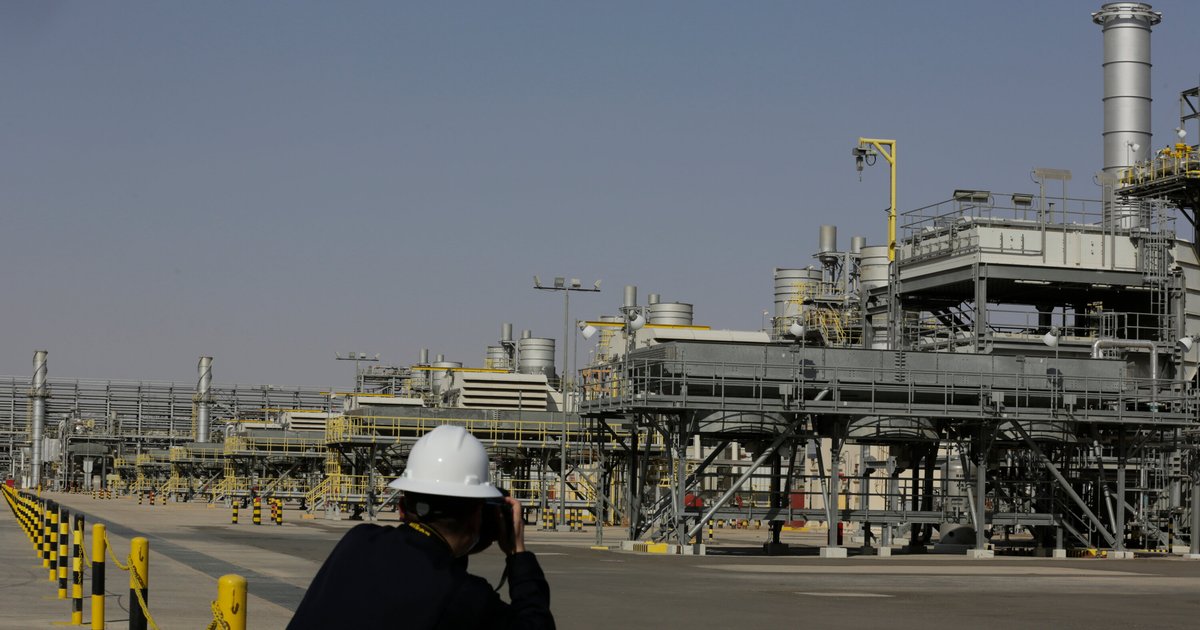
Oil prices have seen a significant increase in global markets, where the price per barrel has exceeded $90, despite the substantial rise in OPEC+ production that surpassed expectations. This increase reflects a fragile balance in the market and raises questions about future prices amid changing global economic conditions.
This price surge comes after the OPEC+ organization, which includes member countries of the Organization of the Petroleum Exporting Countries (OPEC) and their allies, announced an increase in its production by 1.5 million barrels per day, exceeding previous forecasts. However, the market did not respond as expected, reflecting investors' concerns over geopolitical and economic factors affecting demand.
Event Details
Earlier reports indicated that OPEC+ had agreed to increase its production in an attempt to compensate for the anticipated supply shortages due to sanctions imposed on certain producing countries. Nevertheless, this increase was not sufficient to alleviate concerns regarding global demand, especially amid ongoing geopolitical tensions.
Moreover, the rise in prices comes at a sensitive time, as many countries strive to balance economic growth with energy price stability. Analysts have pointed out that this increase could have long-term effects on the global economy, particularly with expectations of rising oil demand in the coming months.
Background & Context
Historically, oil prices have experienced significant fluctuations due to geopolitical events, such as conflicts in the Middle East and changes in economic policies in major countries. In recent years, OPEC+ has become a key player in determining oil prices through production and storage strategies.
It is noteworthy that oil markets were significantly affected by the COVID-19 pandemic, where demand sharply declined, leading to prices dropping to unprecedented levels. As the global economy recovers, prices have begun to rise again, reflecting the importance of oil as a primary energy source.
Impact & Consequences
The rise in oil prices is expected to impact several economic sectors, including transportation and industry. Consumer countries may face additional pressures due to rising energy costs, which could lead to increased inflation.
Furthermore, this price increase may affect the economic policies of both producing and consuming countries. Producing nations may benefit from increased revenues, while consuming nations may need to reassess their economic strategies to adapt to changes in energy prices.
Regional Significance
The Middle East is considered one of the largest oil-producing regions in the world, and thus any changes in oil prices directly affect its economies. Countries like Saudi Arabia and the UAE may benefit from rising prices, while others like Egypt and Jordan may face economic challenges due to higher energy costs.
In conclusion, the future of oil prices remains uncertain, as it depends on various factors including global demand, economic policies of producing countries, and geopolitical tensions. Investors and analysts must closely monitor these developments to understand their impact on global markets.