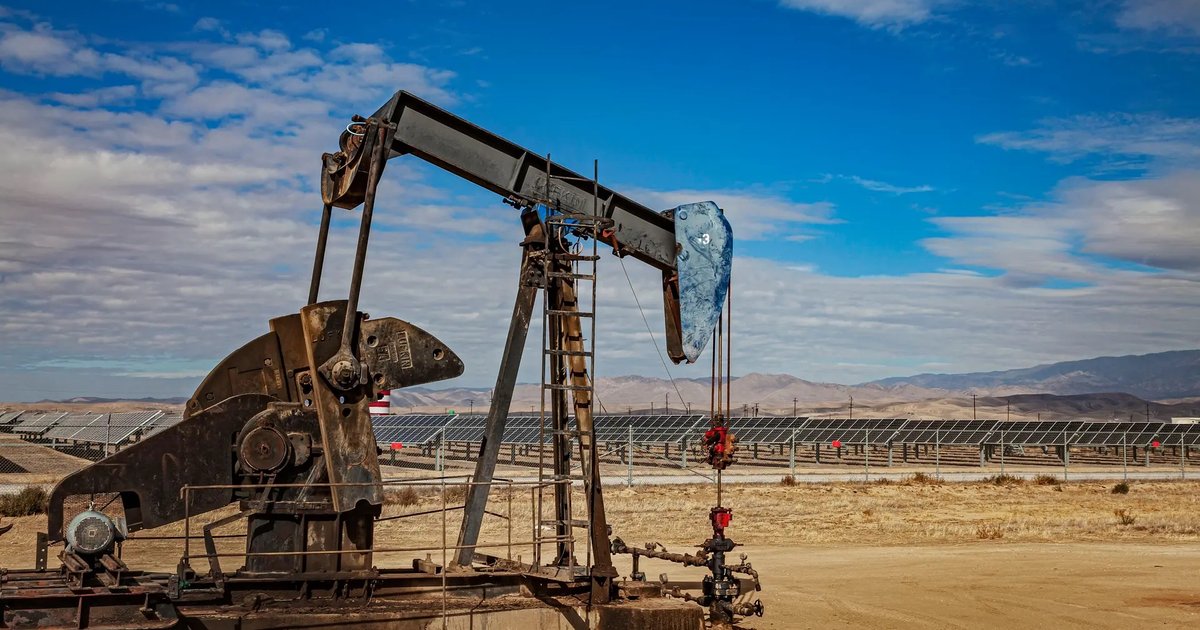
Oil prices witnessed a notable rise on Thursday, increasing by 5.20% amidst a climate of uncertainty surrounding ongoing negotiations between the United States and Iran. The price of North Sea Brent crude for May futures reached $107.54 per barrel, while West Texas Intermediate crude also recorded a similar increase.
This rise comes at a sensitive time, as the ongoing war in the Middle East has persisted for nearly a month, raising concerns about the stability of global oil markets. This situation reflects the influence of political events on prices, as Iran is one of the world's major oil-exporting countries, and any tension in international relations directly affects the market.
Details of the Event
At 12:00 GMT, oil prices recorded a significant increase, with the price of Brent crude rising by 5.20%, reflecting fears of continued conflict in the region. Similarly, West Texas Intermediate crude experienced a comparable rise, indicating market reactions to geopolitical conditions.
This price increase is a reflection of the ongoing tensions between the United States and Iran, as negotiations to resolve the conflict in the region remain unclear. Investors are closely watching for any new developments that may impact oil prices in the near future.
Background & Context
Historically, oil prices have always been linked to political events in the Middle East, which is considered one of the most important energy sources in the world. Since the onset of the current conflict, markets have experienced significant volatility, affecting price stability. The sanctions imposed on Iran have reduced its oil exports, increasing pressure on the global market.
It is noteworthy that the United States and Iran have engaged in rounds of negotiations in recent years, but these have yet to yield tangible results. As tensions continue, investors remain on alert for any signals indicating improvement or deterioration in the situation.
Impact & Consequences
The rise in oil prices has direct implications for the global economy, as it can lead to increased transportation and energy costs, affecting the prices of goods and services. Additionally, oil-importing countries may face economic challenges due to this increase, potentially leading to slower economic growth.
Furthermore, this price surge may impact investments in the energy sector, as companies might reduce their investments in new projects due to market uncertainty. The rising prices could also increase pressure on governments to provide support to consumers.
Regional Significance
For Arab countries, the rise in oil prices presents an opportunity for some oil-producing nations like Saudi Arabia and the UAE, as it could lead to increased government revenues. However, at the same time, oil-importing countries such as Egypt and Jordan may face economic challenges due to rising prices.
The region is generally affected by political tensions, as any escalation in conflict could lead to increased instability in the markets. Therefore, it is crucial for Arab nations to closely monitor developments and take appropriate measures to address any potential repercussions.
In conclusion, the situation in oil markets remains closely tied to political events in the region. With ongoing uncertainty surrounding negotiations between the United States and Iran, oil prices may continue to fluctuate, requiring investors and governments to be prepared for any future changes.