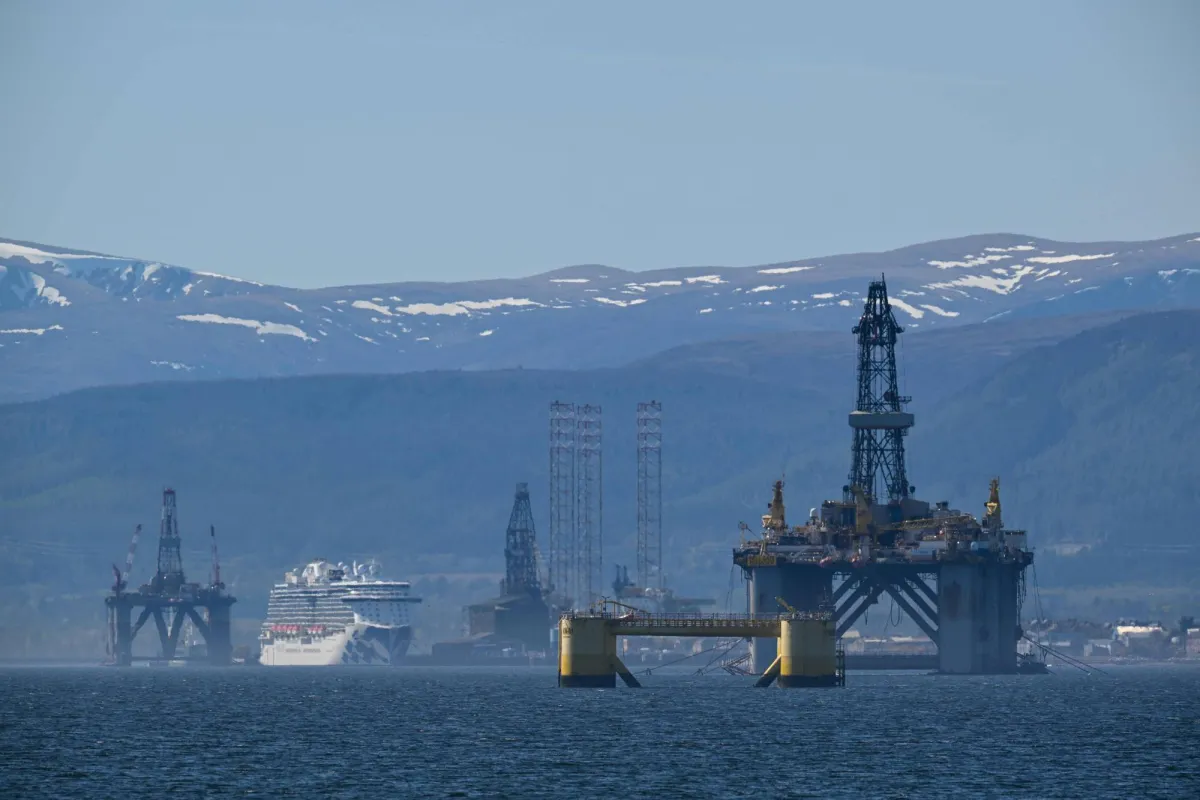
Oil prices have experienced a notable increase of 3% during today's trading (Monday), surpassing $108 per barrel, following the stalling of U.S.-Iran negotiations aimed at ending the ongoing conflict.
As of 09:38 GMT, the futures for Brent crude reached $108.52, while U.S. crude rose by 2.5% to $96.85 per barrel.
Details of the Situation
The breakdown of peace talks between the United States and Iran has led to continued disruptions in energy exports from the Middle East, raising concerns among markets and policymakers. This comes at a time when investors are preparing for significant central bank meetings this week.
Although the ceasefire has contributed to freezing most of the fighting, attention is now turning towards the closure of the Strait of Hormuz, a critical point in rising energy prices.
Background & Context
Reports indicate that Tehran has proposed to open the Strait of Hormuz without addressing the nuclear issue, which could complicate negotiations further. Meanwhile, the Bank of England is expected to keep interest rates unchanged this week as it assesses the growing economic repercussions of the Iranian war.
The bank had maintained interest rates in March amid ongoing uncertainty regarding the conflict's impact on inflation and growth. With geopolitical ambiguity persisting, a similar decision is likely on Thursday.
Impact & Consequences
Investors anticipate a return to the interest rate hike cycle later this year, with markets pricing in the possibility of two 25 basis point increases in July and September. However, Governor Andrew Bailey has warned against rushing in this direction.
The British economy is considered one of the most vulnerable to the effects of rising energy prices due to its significant reliance on natural gas imports. Recent data has shown an increase in corporate input costs, reinforcing expectations of continued inflationary pressures throughout the next year.
Regional Significance
Arab countries are directly affected by rising oil prices, as many depend on energy exports as a primary source of revenue. Continued unrest in the region could exacerbate economic crises.
In conclusion, the current situation highlights the importance of monitoring developments in U.S.-Iran negotiations and their impact on global markets, as oil prices remain under persistent pressure.