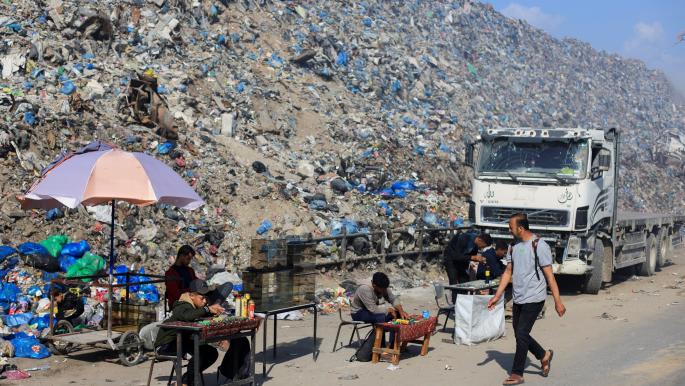
Daily killings persist in the Gaza Strip, where the Israeli occupation is increasingly undermining ceasefire efforts. This escalation comes at a sensitive time, as the occupation aims to impose complete control over the area, further increasing the suffering of civilian populations.
Reports indicate that Israeli military operations have not ceased, with residential areas being bombarded, leading to civilian casualties. This situation raises concerns among humanitarian organizations that warn of worsening humanitarian conditions in the besieged enclave.
Details of the Incident
In recent days, reports have noted a significant increase in the number of casualties due to ongoing bombardments. Local sources have reported that the Israeli occupation targeted densely populated areas, resulting in the deaths and injuries of many civilians, including children and women.
These actions come at a time when there were hopes for a de-escalation between the conflicting parties. However, the military escalation shatters these hopes and heightens tensions in the region.
Background & Context
Historically, the Gaza Strip has witnessed escalations in military actions between the Israeli occupation and Palestinian factions. Since 2007, the enclave has suffered from a suffocating blockade, exacerbating humanitarian and economic conditions. This situation leaves the population vulnerable to daily violations and intensifies the conflict.
Over the years, many international parties have attempted to intervene to stop the violence, but peace efforts have often failed. The recent escalation reflects the ongoing instability in the region and also highlights the international community's failure to find a lasting solution to the conflict.
Impact & Consequences
The ongoing military actions are worsening humanitarian conditions in Gaza, where residents face severe shortages of essential supplies such as food and medicine. Additionally, the continuation of daily killings contributes to increasing feelings of frustration and despair among Palestinians, which may lead to further escalation in the future.
Moreover, this situation could affect relations between Palestinians and Israelis, complicating peace efforts. The ongoing violence may lead to new international interventions, further complicating the political landscape in the region.
Regional Significance
The situation in Gaza serves as a barometer for the overall conditions in the Arab region. The Israeli-Palestinian conflict not only affects Palestinians but also extends its impact to neighboring countries, increasing regional tensions.
Furthermore, the continuation of military actions may affect relations between Arab states and Israel, increasing Arab public support for the Palestinian cause. This support may manifest in demonstrations and protests across various Arab countries, reflecting solidarity with the Palestinians.
In conclusion, the situation in Gaza remains complex, intertwining humanitarian and political factors. The ongoing daily killings threaten peace efforts and increase the suffering of the population, necessitating urgent action from the international community to end this conflict.