Economist Richard Wolff warns that the ongoing conflict in Iran may lead to social tensions within the United States. He emphasizes that the repercussions of war could negatively impact the country's economic and social conditions.
Wolff points out that the war in Iran could exacerbate the economic crises currently faced by the United States, potentially contributing to rising levels of poverty and unemployment. He explains that these conditions could lead to social unrest, as citizens feel increasingly unable to cope with the mounting economic challenges.
Details of the Situation
Concerns are growing that the conflict in Iran may extend to other regions, increasing instability in the area. Wolff notes that the United States is already facing significant economic challenges, including inflation and rising energy prices, complicating the situation further.
He also adds that the war could lead to increased military spending, which would negatively affect the public budget and widen the financial deficit. This situation could have repercussions on public services and increase pressure on the lower and middle classes.
Background & Context
Historically, the United States has experienced numerous wars that have affected its internal situation, as conflicts abroad often lead to internal tensions. In recent years, there have been increasing calls to end foreign wars and focus on domestic issues.
Iran is considered one of the hotspots in international politics, where the interests of major powers intersect with regional issues. As tensions escalate, there is growing concern that the conflict may result in unforeseen consequences on the American stage.
Impact & Consequences
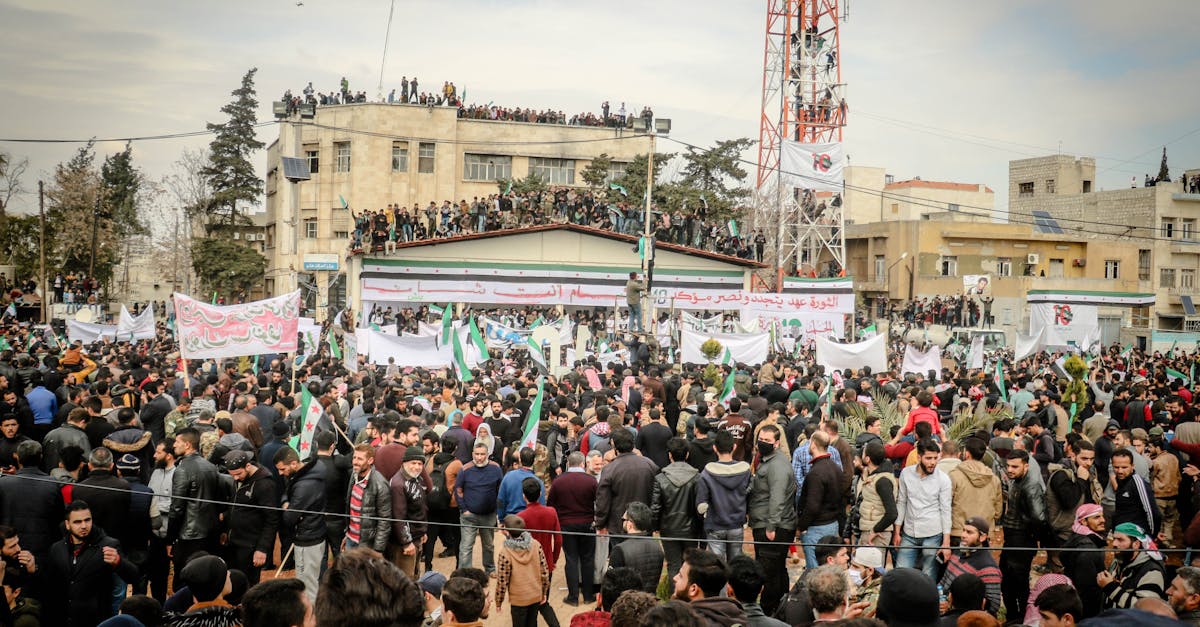
If the war in Iran continues, it could worsen the economic and social crises in the United States. Protests and demonstrations may increase in the streets, as citizens express their dissatisfaction with the deteriorating economic situation.
Moreover, rising tensions could lead to greater division within American society, as some feel that the government is not adequately responding to their needs. This could contribute to increased political and social polarization.
Regional Significance
The war in Iran directly impacts the Arab region, as Iran is a key player in many regional conflicts. Any escalation in the conflict could increase tensions between Arab countries and Iran, negatively affecting regional stability.
Additionally, the situation in Iran may influence oil prices, potentially leading to higher prices in global markets. This could have repercussions for Arab economies that heavily rely on oil exports.
In conclusion, the situation in Iran remains a significant concern for both the United States and Arab countries alike. It is crucial to closely monitor developments, as the consequences of war could be far-reaching.