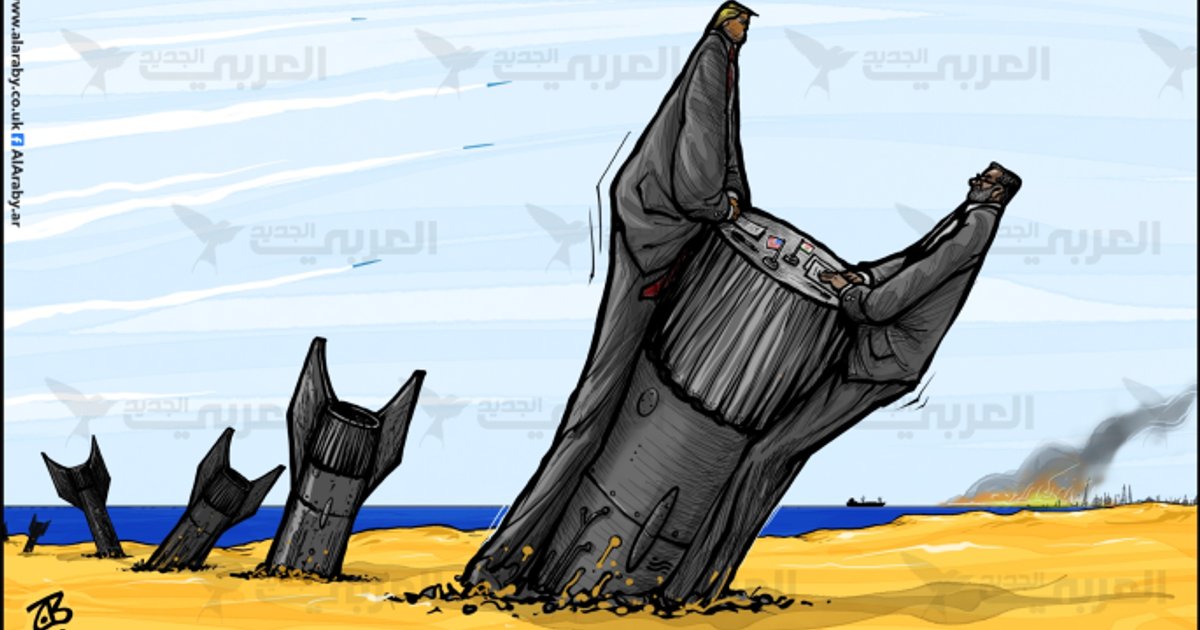
The ongoing war continues to reshape international conflict, revealing features of a global system that is gradually taking shape. Conflicts are not resolved with final victories, nor is the will of one party imposed, reflecting a deep transformation in geopolitical dynamics.
Current events indicate that armed conflicts are no longer resolved as they once were; instead, they reflect a new reality characterized by complexity and interconnection. Wars are no longer merely military conflicts; they have become part of a larger struggle involving global and regional powers, making it difficult to reach lasting solutions.
Details of the Event
Tensions are rising in multiple regions around the world, where political and economic interests overlap. Under these circumstances, it seems that quick solutions or military victories are no longer sufficient to end conflicts. On the contrary, the continuation of fighting may lead to a reshaping of alliances and influence in the region.
Reports indicate that current wars are generating new alliances and redrawing political boundaries, contributing to the creation of an unstable environment. Additionally, ongoing conflicts exacerbate humanitarian crises, as civilians suffer the direct consequences of war.
Background & Context
Historically, wars were considered a means to resolve disputes between nations, where military victories granted legitimacy to control over territories and interests. However, recent developments in global conflicts suggest that this model is no longer effective. Current wars demonstrate that major powers cannot impose their will unilaterally, reflecting a shift in the international system.
Many factors intertwine to shape this new reality, including economic changes, ethnic conflicts, and environmental challenges. All these factors contribute to complicating the political landscape and increase the difficulty of reaching lasting solutions.
Impact & Consequences
Ongoing wars have far-reaching implications at the international level. Conflicts do not only affect the countries involved, but their effects extend to other regions, increasing instability. Furthermore, the continuation of disputes negatively impacts the global economy, significantly affecting trade and investment.
Moreover, the humanitarian crises resulting from wars lead to a flow of refugees, placing additional pressures on host countries. These dynamics reflect the urgent need to rethink how to address international conflicts.
Regional Significance
The Arab region is considered one of the most affected areas by global conflicts. Civil wars and armed disputes have caused the disintegration of many states, leading to widespread chaos and instability. Additionally, external interventions have complicated the situation, as major powers seek to achieve their interests at the expense of the people.
The continuation of these dynamics could exacerbate humanitarian and economic crises in the region, necessitating the search for comprehensive political solutions that address the roots of conflicts rather than relying solely on military solutions.
In conclusion, it seems that the ongoing war is reshaping international conflict in a way that reflects a new reality characterized by complexity. The absence of final victories opens the door to rethinking how to manage conflicts, requiring genuine international cooperation to achieve peace and stability.