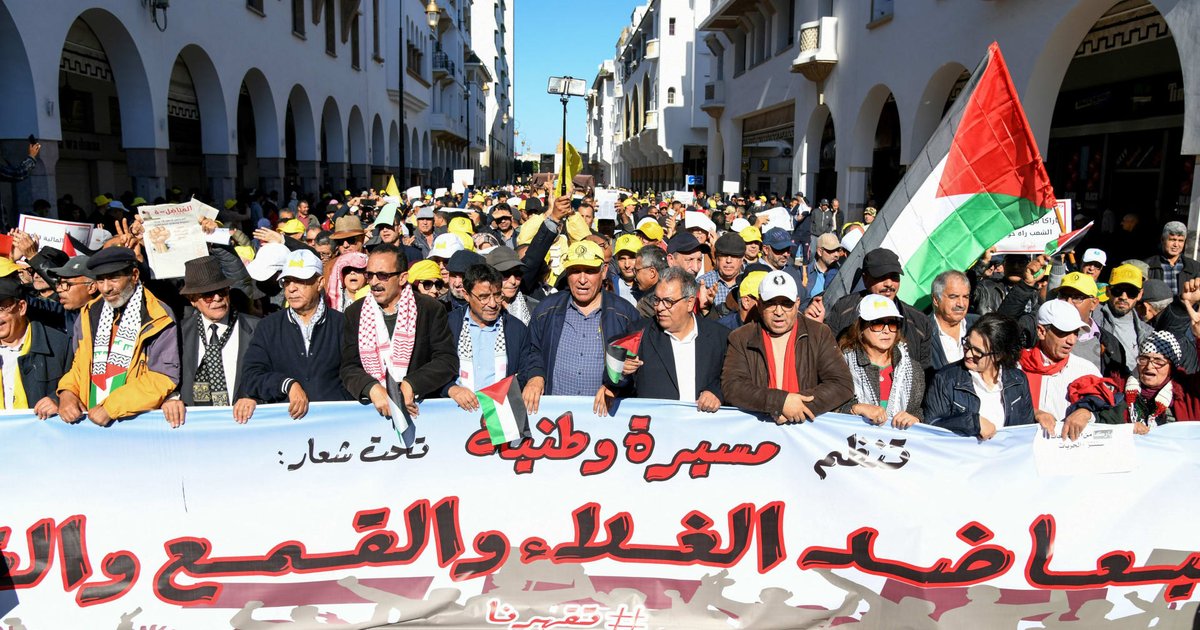
An extensive online campaign in Morocco against the daylight saving time system has sparked significant interaction on social media, where citizens and celebrities have expressed their rejection of this timing, which reignites annual debates.
This campaign comes at a time when dissatisfaction is growing regarding the impact of daylight saving time on the daily lives of Moroccans, as many believe this system causes confusion in their schedules and work. Participants in the campaign have shared images of themselves with tape over their mouths, symbolizing their silence in response to the government's disregard for their demands.
Details of the Campaign
Moroccans have notably engaged with the campaign, using multiple hashtags on platforms such as Twitter and Facebook to express their opinions. Influencers with large followings have joined in, helping to spread the campaign more rapidly. Videos documenting citizens' daily experiences with daylight saving time have also circulated, increasing the momentum of the discussion surrounding this issue.
It is worth noting that the daylight saving time system has been implemented in Morocco since 2018, aiming to improve time utilization and increase productivity. However, many citizens feel that this system creates difficulties in adapting to time changes, especially during the month of Ramadan.
Background & Context
Historically, Morocco adopted the daylight saving time system as part of its summer time policy, which aims to take advantage of daylight during working hours. However, this system has not been without controversy, as recent years have seen numerous campaigns calling for its abolition or modification.
In recent years, Morocco has witnessed significant changes in various fields, including the economy and politics. Nevertheless, the issue of daylight saving time continues to provoke widespread debate, as some view it as an obstacle to improving quality of life.
Impact & Consequences
The repercussions of daylight saving time extend beyond mere timekeeping; they affect the overall lifestyle of citizens. Studies have shown that time changes can impact individuals' mental and physical health, raising concerns for many.
Moreover, the ongoing debate surrounding this issue may affect citizens' trust in the government, as some feel their demands are falling on deaf ears. This could lead to increased social tension, especially amid the challenging economic conditions currently facing Morocco.
Regional Significance
The issue of daylight saving time is a common matter in many Arab countries, where some adopt summer time while others reject it. The debate in Morocco reflects broader issues related to governance and transparency in decision-making.
In the current circumstances, this campaign in Morocco could serve as a model for other countries in the region, inspiring citizens to demand their rights and express their opinions more effectively.
In conclusion, the issue of daylight saving time in Morocco remains a topic of ongoing debate, as citizens look for a government response that meets their demands and alleviates their daily struggles.