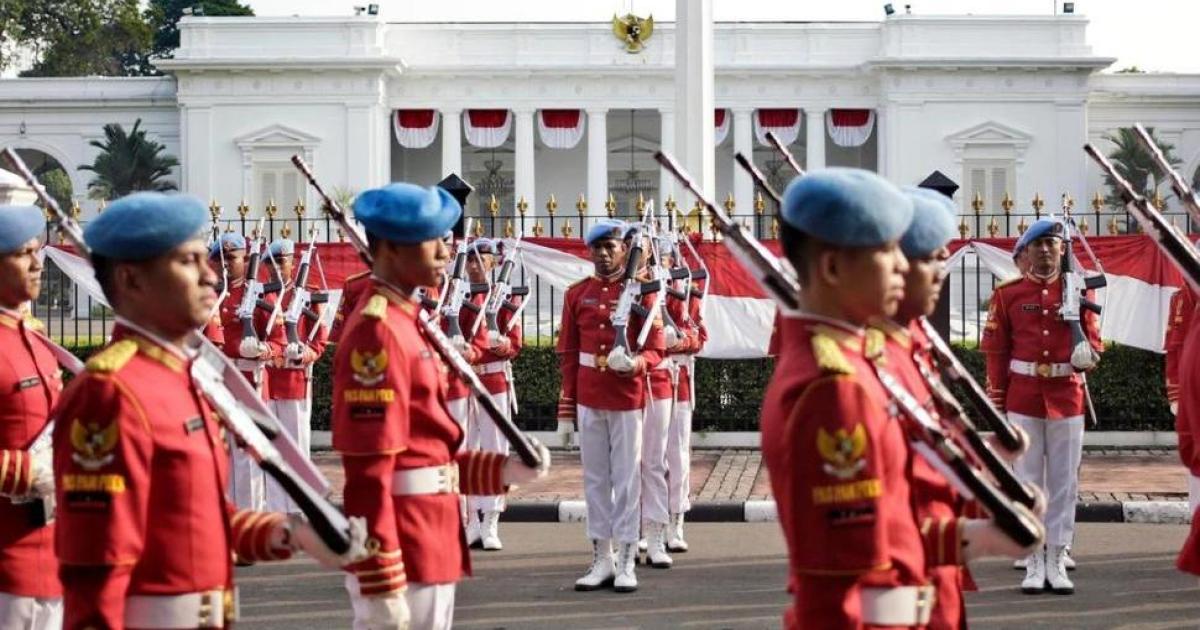
The Indonesian government has made a historic decision to open presidential palaces to students, which analysts consider a strategic step to strengthen the relationship between the state and the people from an early age. This initiative is part of President Prabowo Subianto's efforts to foster a close relationship with citizens, allowing students to gain direct insight into state institutions.
In a statement, political analyst Hendri Satrio emphasized that this move reflects the government's commitment to opening the doors of presidential palaces to everyone, noting that this measure aims to enhance the sense of belonging among youth. He explained that the palaces do not belong to a specific group but are the property of all Indonesian citizens, reflecting the spirit of democracy and openness.
Details of the Initiative
This program was announced by Teddy Indra Wijaya, who clarified that the government will open eight presidential palaces in various regions. This step aims to broaden access to state institutions, helping to enhance the sense of representation among citizens in remote areas such as Sulawesi, Papua, and Kalimantan.
This program serves as an educational opportunity for students, allowing them to learn about the functions and symbols of the state directly. It also contributes to promoting transparency and breaking the stereotype of government institutions as closed entities.
Background & Context
Historically, presidential palaces in Indonesia have been considered closed places not accessible to the public, leading to a sense of detachment between the government and the people. With rising calls for transparency and participation, the government has begun taking steps to strengthen its relationship with citizens, such as opening the presidential palaces.
This policy shift comes at a sensitive time, as President Prabowo Subianto seeks to boost his popularity and build bridges of trust with the public, especially amid the economic and social challenges facing the country.
Impact & Consequences
This decision could have a significant impact on the future relationship between the government and the people. If the program is implemented sustainably, it may contribute to building a generation of citizens aware of their rights and responsibilities towards the state. This is essential for enhancing democracy and political participation.
Moreover, opening the presidential palaces can enhance transparency and reduce the gap between the government and citizens, helping to build a more cohesive and cooperative society.
Regional Significance
This step serves as a model for the Arab region, where many countries suffer from a gap between the government and the people. Opening the doors of government institutions to citizens can help foster trust and political participation, which is crucial for building democratic societies.
In conclusion, this decision represents a positive step towards strengthening the relationship between the state and the people, reflecting the government's commitment to enhancing transparency and participation. If these efforts continue, they may lead to improved relations between the government and citizens in Indonesia and serve as an example for other countries.