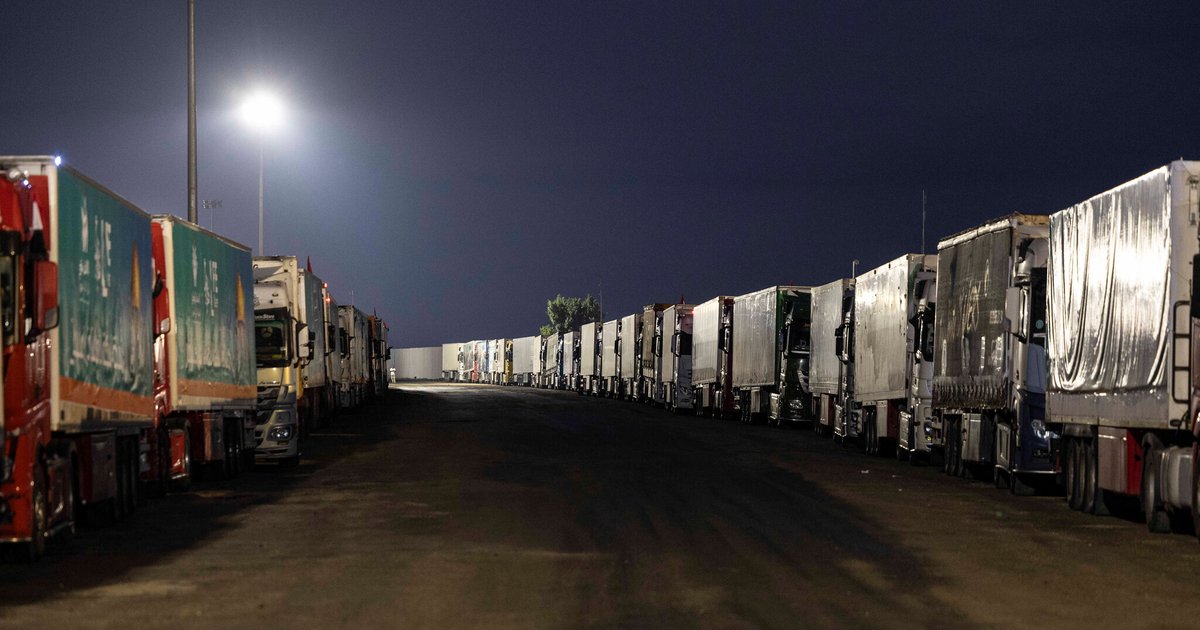
In a significant move, the Rafah border crossing has been opened in both directions, enabling a new convoy of humanitarian aid trucks to enter the Gaza Strip. This decision comes at a critical time as residents face severe shortages of essential supplies.
The new aid convoy includes food and medical supplies, as well as other essential items needed to support the population living under the ongoing blockade. Local sources have confirmed that the trucks began crossing the border since this morning, amid heightened security measures.
Details of the Event
The opening of the Rafah crossing follows a period of repeated closures, as the crossing had been shut for extended periods due to tense security and political conditions. The decision to open the crossing was made in response to increasing humanitarian calls from international and local organizations seeking to provide support to the people of Gaza.
This step is seen as a glimmer of hope for many families suffering from acute shortages of food and medicine, with reports indicating that over half of Gaza's population lives below the poverty line. Additionally, the health situation in the region has deteriorated significantly, necessitating urgent intervention to provide necessary healthcare.
Background & Context
Historically, the Rafah crossing has experienced numerous periods of opening and closure due to the tense political situation between Hamas and Israel. Since 2007, the Gaza Strip has been under a suffocating blockade, leading to unprecedented deterioration in economic and social conditions.
In recent years, international pressure on Egypt and Israel to open the crossing and facilitate the movement of humanitarian aid to Gaza has increased. This pressure has manifested in calls from the United Nations and human rights organizations, which have emphasized the need to provide humanitarian assistance to the besieged population.
Impact & Consequences
The opening of the Rafah crossing may help alleviate the suffering of Gaza's residents, but it does not represent a fundamental solution to the ongoing humanitarian crisis. While aid is being introduced, the security and political situation in the region remains fragile, which could affect the sustainability of this opening.
Humanitarian organizations anticipate that the opening of the crossing will lead to an increase in the flow of aid, potentially improving living conditions for the population. However, the biggest challenge remains how to ensure that this aid reaches its destination sustainably and without obstacles.
Regional Significance
The situation in Gaza is a central issue in the Arab-Israeli conflict and has direct implications for relations between Arab countries and Israel. The opening of the Rafah crossing may reflect a shift in Egyptian policy towards the Palestinian issue, potentially paving the way for greater Arab cooperation in supporting Gaza.
This move may also impact the positions of various Palestinian factions, as it could strengthen Hamas's standing in the political arena, leading to changes in the internal Palestinian dynamics.
In conclusion, there is hope that this step will contribute to improving humanitarian conditions in Gaza, but the road remains long towards achieving stability and peace in the region.