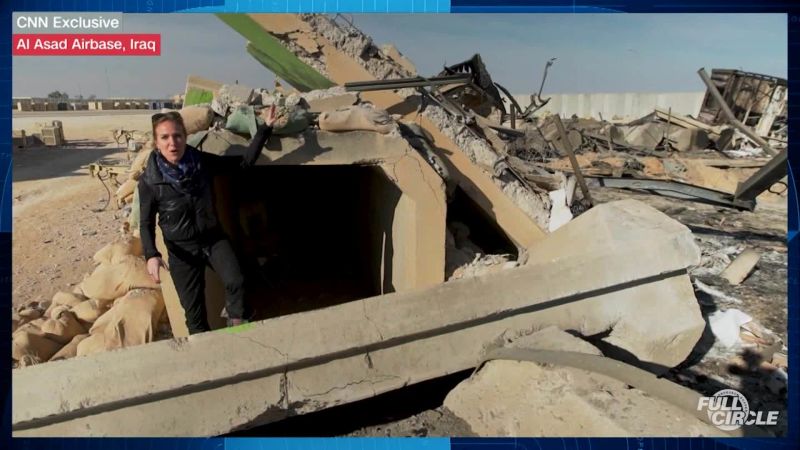
A U.S. Department of Defense official reported that over 300 American soldiers have been injured since the commencement of joint military operations between the United States and Israel against Iran. This announcement came in a report published by CNN, highlighting the ongoing escalation of military tensions in the region.
Concerns are growing regarding the implications of these operations on American soldiers, as reports indicate that these injuries come at a highly sensitive time, with increasing military movements in the Middle East and escalating tensions among major powers.
Details of the Operations
The joint military operations between the United States and Israel against Iran began earlier this year, with military strikes directed at Iranian targets in Iraq and Syria. These operations represent part of a broader strategy aimed at reducing Iran's influence in the region, which the United States and its allies consider a threat to regional security.
The military operations involve the use of drones and special forces, complicating the military situation further. Additionally, these operations occur at a time of rising tensions in the region, making it difficult to predict their future implications.
Background & Context
Historically, relations between the United States and Iran have been tense since the Islamic Revolution in 1979. These relations have seen a notable escalation in recent years, particularly following the U.S. withdrawal from the Iranian nuclear deal in 2018. Since then, the United States has imposed stringent economic sanctions on Iran, exacerbating the country's economic and political conditions.
In this context, the current military operations are part of a broader strategy aimed at countering Iranian threats, including its support for armed groups in Iraq, Syria, and Lebanon. The United States is also seeking to strengthen its alliances with Arab countries to counter Iran's growing influence.
Impact & Consequences
The repercussions of these military operations extend beyond the direct injuries to American soldiers. An increase in the number of injuries could lead to political pressure within the United States, as concerns grow over sustaining further human losses in foreign conflicts.
Moreover, the escalation of military operations may provoke Iranian responses, either through increased military activities or by bolstering armed groups in the region. This could contribute to worsening security conditions and heighten the likelihood of new conflicts erupting in the area.
Regional Significance
The U.S. and Israeli military operations against Iran directly affect the situations in neighboring Arab countries. The rising tensions could destabilize Iraq, Syria, and Lebanon, where Iranian-backed armed groups are present.
These operations may also strengthen alliances between Arab countries and the United States, potentially altering the balance of power in the region. However, military escalation could also lead to popular backlash against the U.S. presence in the region, complicating the situation further.
In conclusion, the situation in the region remains tense as the United States and Israel continue military operations against Iran, raising concerns about the implications of these operations for regional and global security.