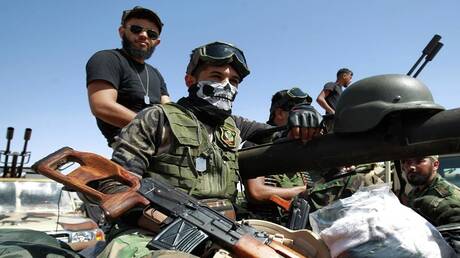
Tribal clashes in eastern Chad resulted in the deaths of over 40 individuals due to a traditional dispute over a water well. The incident, which occurred on Sunday, reflects the ongoing tensions in the region caused by limited resources, as tribes compete for water sources amid challenging climatic conditions.
Chad, like many African countries, is experiencing increasing conflicts due to climate change affecting agriculture and pastoralism. These disputes are often exacerbated by the absence of effective local governance, leading to escalating violence among different communities.
Details of the Incident
According to local reports, the violence erupted when two tribes clashed over access to a vital water well. Witnesses described scenes of chaos as armed groups engaged in fierce confrontations, resulting in numerous casualties. The local authorities have struggled to contain the situation, and the lack of intervention has allowed the violence to spread.
The conflict over the water well is not an isolated incident; it is part of a broader pattern of resource-based conflicts in the region. With the ongoing drought conditions, access to water has become increasingly critical, leading to heightened tensions among competing tribes.
Background & Context
The historical context of tribal conflicts in Chad is deeply rooted in competition for natural resources. The country has a long history of disputes over land and water, particularly in rural areas where communities rely heavily on agriculture and livestock. As climate change continues to impact weather patterns, these conflicts are likely to intensify.
Moreover, the government of Chad has faced challenges in managing these disputes effectively. The lack of a strong central authority in rural areas often leaves communities to resolve their conflicts through violence rather than dialogue. This situation is further complicated by the presence of armed groups that exploit these conflicts for their own interests.
Impact & Consequences
The immediate impact of the recent clashes has been devastating for the affected communities. Families have lost loved ones, and many have been displaced from their homes due to the violence. The ongoing instability threatens to disrupt local economies that rely on agriculture and trade.
In the longer term, the escalation of violence could lead to a cycle of retaliation among tribes, making it even more difficult to achieve peace and stability in the region. Humanitarian organizations are concerned that without intervention, the situation could deteriorate further, leading to a humanitarian crisis.
Regional Significance
This incident is significant not only for Chad but for the broader Sahel region, which is grappling with similar issues of resource scarcity and conflict. The implications of such tribal violence can spill over borders, affecting neighboring countries and contributing to regional instability.
As the international community watches the situation unfold, there is a pressing need for effective conflict resolution strategies that address the root causes of these disputes. Strengthening local governance and promoting dialogue among communities could be vital steps toward reducing violence.
In conclusion, the tragic events in eastern Chad serve as a stark reminder of the challenges posed by climate change and resource competition. As communities continue to struggle for survival, it is crucial for both local and international actors to work together to find sustainable solutions to these pressing issues.